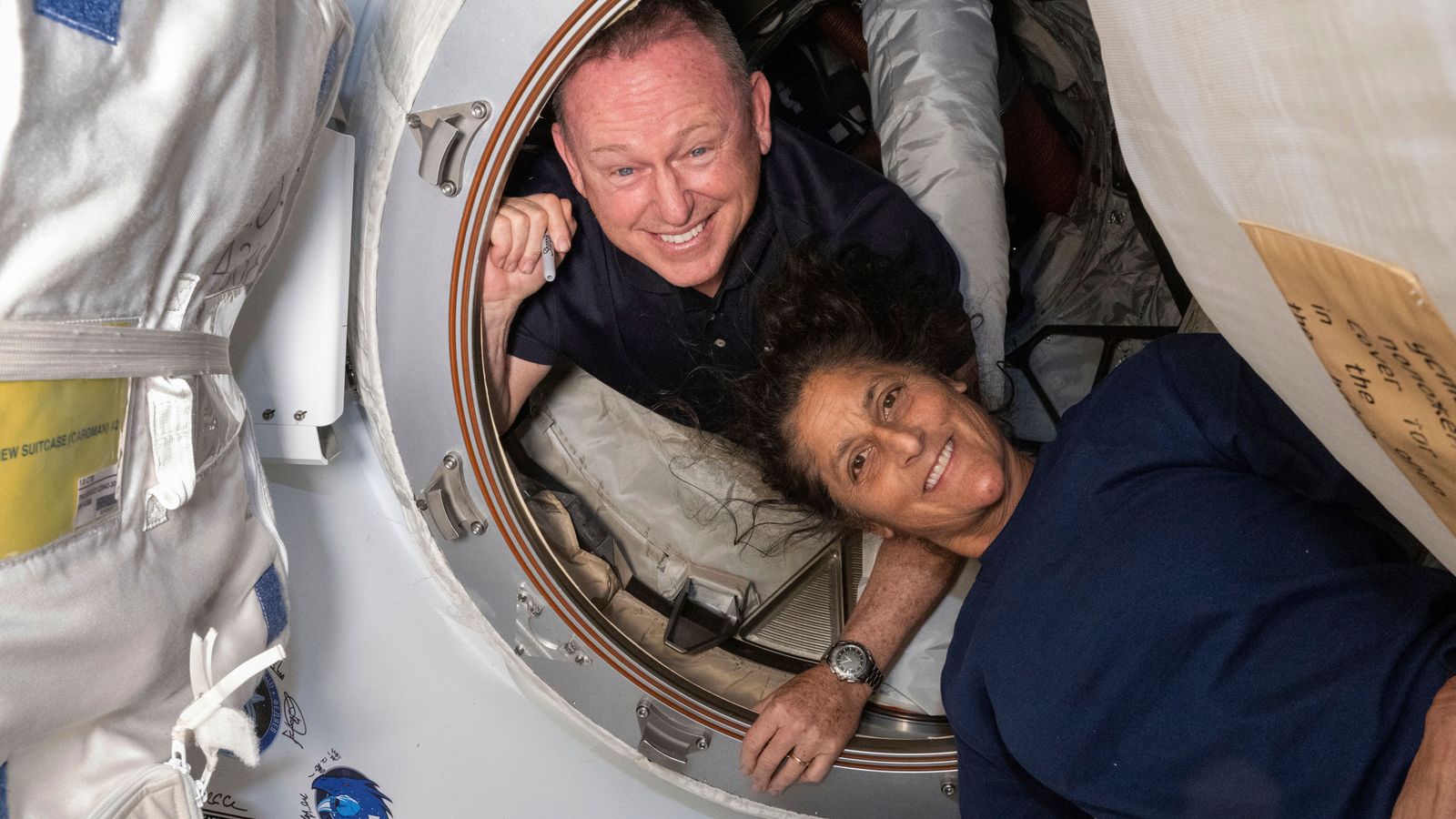
In a stark revelation from a recent NASA investigation, astronauts Butch Wilmore and Suni Williams narrowly escaped disaster during a crewed test flight of Boeing's Starliner spacecraft in June 2024, when thruster failures left the vehicle dangerously out of control. The report, released by the space agency, classifies the incident as a life-threatening "Type A mishap," placing it on the same severity level as the fatal Space Shuttle disasters of 1986 and 2003. According to the findings, the Boeing-built capsule was not adequately prepared for its maiden crewed mission to the International Space Station (ISS), highlighting a combination of hardware malfunctions and procedural oversights that stranded the astronauts in orbit for an extended period.
The mission, originally planned as an eight-day test flight, turned perilous shortly after launch when multiple thrusters malfunctioned, causing the Starliner to veer off course and lose stable propulsion. Wilmore and Williams, both veteran NASA astronauts, relied on their training to manually restart the propulsion system and successfully dock with the ISS. "Had different decisions been made, had thrusters not been recovered, or had docking been unsuccessful, the outcome of this mission could have been very, very different," NASA Administrator Jared Isaacman stated during a news conference announcing the report.
What was intended to be a routine 10-day stay aboard the ISS stretched into nine months as NASA engineers scrambled to diagnose and address the thruster issues. The astronauts were eventually returned to Earth via a SpaceX Crew Dragon capsule in February 2025, while the Starliner undocked and re-entered the atmosphere uncrewed. Even during re-entry, the report notes lingering problems with the thrusters, underscoring the ongoing risks that persisted despite emergency measures.
The investigation pins the root causes on a series of technical shortcomings in the Starliner's development, including the use of flammable tape near electrical systems and failures in the parachute deployment mechanism. These hardware issues were exacerbated by what the report describes as leadership missteps and a breakdown in communication between Boeing and NASA. One senior NASA official reflected on the close call, saying, "We almost did have a really terrible day."
Boeing, the prime contractor for the Starliner program, has faced scrutiny for years over delays and cost overruns in the project, which is part of NASA's Commercial Crew Program aimed at providing an alternative to SpaceX's reliable Dragon spacecraft. The report criticizes NASA for initially failing to classify the propulsion loss as a Type A mishap, despite it qualifying as a "departure from controlled flight." Officials attributed this oversight to an agency-wide push to certify Starliner as a viable backup to SpaceX, which led to decisions inconsistent with NASA's human spaceflight safety standards.
"This was a really challenging event in our recent history," said Amit Kshatriya, another senior NASA official involved in the review. The findings also reveal that NASA and Boeing had prior knowledge of potential vulnerabilities but proceeded with the crewed flight anyway. In response, Boeing issued a statement asserting that it has implemented "significant cultural changes" and made "substantial progress" on corrective actions for the technical challenges since the incident.
The Starliner program has been plagued by setbacks since its inception, with uncrewed test flights in 2019 experiencing software glitches that prevented docking with the ISS. Development costs have ballooned to over $1.5 billion beyond initial estimates, drawing congressional criticism and calls for greater oversight. Wilmore and Williams, who had planned to retire after the mission, ultimately did so following their extended stay in space, citing the ordeal as a capstone to their careers.
As NASA grapples with the fallout from the Starliner mishap, the agency is preparing for another high-stakes launch: the Artemis II mission, scheduled for no earlier than March 6, 2025. This crewed flight will send four astronauts—Reid Wiseman, Victor Glover, Christina Koch, and Jeremy Hansen—on a lunar flyby, the first human mission beyond low Earth orbit since Apollo 17 in 1972. The mission will utilize the massive Space Launch System (SLS) rocket and Orion crew capsule, both of which have encountered their own hurdles.
Recent preparations for Artemis II have been marked by technical glitches, including leaks of explosive hydrogen propellant during fueling tests. A countdown rehearsal last month was aborted early due to a hydrogen leak from a seal between the filling hose and the rocket's core stage. Engineers promptly replaced the faulty seal, and a subsequent test on Thursday evening succeeded without incident, according to NASA updates from Kennedy Space Center in Florida.
Despite these challenges, NASA officials emphasize a cautious approach. "The crew will only launch when it's confident the rocket is ready," the agency stated in a release. The SLS and Orion have undergone extensive ground testing, but concerns linger over the spacecraft's heat shield, which showed unexpected erosion during an uncrewed Artemis I flight in 2022. Investigators are still analyzing that data to ensure crew safety for the upcoming mission.
The Starliner incident has broader implications for NASA's reliance on private industry partners like Boeing and SpaceX. While SpaceX has successfully ferried 50 astronauts to the ISS since 2020 with no major mishaps, Boeing's struggles have delayed the diversification of U.S. crew transportation options. Critics within the space community argue that the push for competition may have compromised safety, a sentiment echoed in the report's call for NASA to "correct the record" on risk assessments.
Isaacman, a billionaire entrepreneur and the first privately funded astronaut to orbit Earth, brought a fresh perspective to NASA's leadership upon his appointment. He stressed during the briefing that the agency must prioritize safety above expediency. "The record is now being corrected," he said, signaling ongoing internal reforms.
Meanwhile, Boeing faces additional pressures beyond spaceflight. Recent reports highlight the company's involvement in a deadly UPS plane crash where a known faulty part contributed to the accident, as well as labor disputes leading to 17,000 job cuts amid financial losses exceeding tens of millions daily. Workers rejected the latest contract offer, prolonging a strike that has halted production at key facilities.
Looking ahead, NASA and Boeing continue to investigate the exact cause of the Starliner thruster failures, with no crewed flights planned until the issues are fully resolved. The partnership remains committed, but the mishap has prompted a reevaluation of certification processes for future missions. As the Artemis program advances, it serves as a reminder of the high stakes in humanity's return to the moon and eventual Mars ambitions.
For Wilmore and Williams, the ordeal ended on a personal note. The astronauts, who logged over 300 days in space combined during their careers, received NASA's highest honors upon retirement. Their story underscores the resilience required in space exploration, even as agencies like NASA navigate the complexities of innovation and risk in an era of commercial spaceflight.