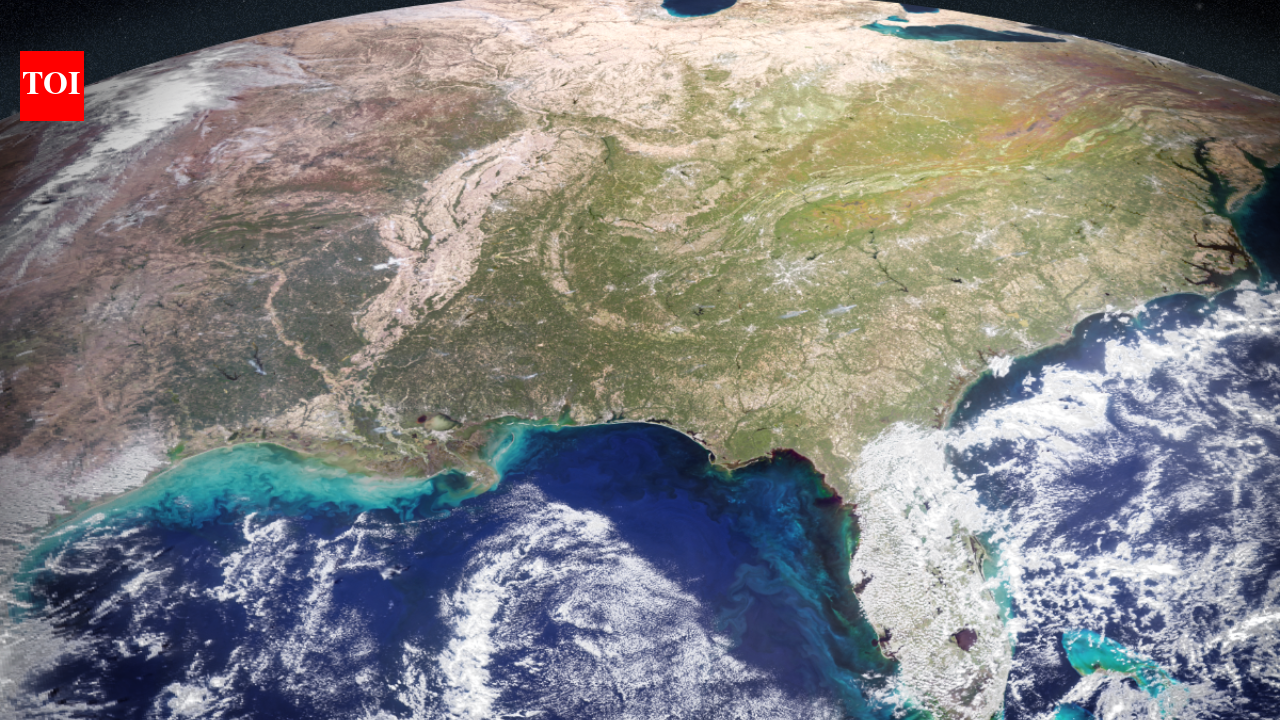
NASA researchers are developing artificial intelligence tools to forecast harmful algae blooms in advance, aiming to mitigate their impact on water bodies across the United States and beyond, according to a report from the Times of India Science Desk.
The initiative focuses on predicting these environmental events before they escalate into larger disasters affecting lakes, rivers, and reservoirs. Harmful algae blooms have emerged as a significant concern for both ecosystems and public health, with the technology intended to provide earlier warnings to local authorities and environmental agencies.
According to the Times of India, the project leverages satellite data and machine learning models to identify conditions that precede bloom formation. Officials involved in the effort have noted that early detection could allow for proactive measures such as water treatment adjustments or public advisories.
While specific dates for full implementation remain unclear, the report indicates ongoing work at NASA centers to refine these predictive systems. The algae blooms, which can produce toxins harmful to fish, wildlife, and humans, have been reported in increasing frequency in recent years due to factors like nutrient runoff and warming waters.
Experts quoted in the coverage emphasize the role of AI in processing vast amounts of environmental data that traditional monitoring methods struggle to handle in real time. "The issue of harmful algae blooms is currently becoming one of the major environmental and health risks in the world," the summary from the source states, highlighting impacts on various water systems.
Local communities near affected waterways could benefit from the technology through improved resource allocation for cleanup and prevention. NASA has a history of using remote sensing for Earth observation, and this AI application builds on that foundation by adding predictive capabilities.
Some environmental groups have welcomed the development, though they stress the need for complementary ground-based efforts to address root causes like agricultural pollution. The Times of India article positions the NASA project as part of broader scientific responses to climate-related challenges.
Details on the exact algorithms or data sources used in the AI models were not elaborated in the initial reporting. However, the focus remains on preventing blooms from becoming full-scale disasters that disrupt drinking water supplies and recreational areas.
Further updates from NASA are expected as the project advances, with potential collaborations involving other federal agencies like the Environmental Protection Agency. The science desk at the Times of India continues to track such developments as part of its coverage of global scientific advancements.
In related contexts, similar AI applications have been explored for other natural phenomena, but this marks a targeted effort for algae bloom prediction. The report underscores the importance of accessible science communication to keep the public informed about these tools.