By Rachel Martinez
The Appleton Times
INDIANAPOLIS — The National Collegiate Athletic Association filed a lawsuit against DraftKings on Friday, accusing the popular sportsbook operator of trademark infringement over its use of iconic terms like "March Madness" and "Final Four" in promoting betting on the men's and women's college basketball tournaments.
The suit, lodged in federal court in the Southern District of Indiana, seeks an emergency temporary restraining order to halt DraftKings from further employing these protected phrases on its platforms. According to the complaint, the NCAA had previously contacted DraftKings to address the issue, prompting the company to remove some of the most blatant instances, but DraftKings maintained that it retains the right to incorporate the NCAA's trademarks directly into its sports betting applications.
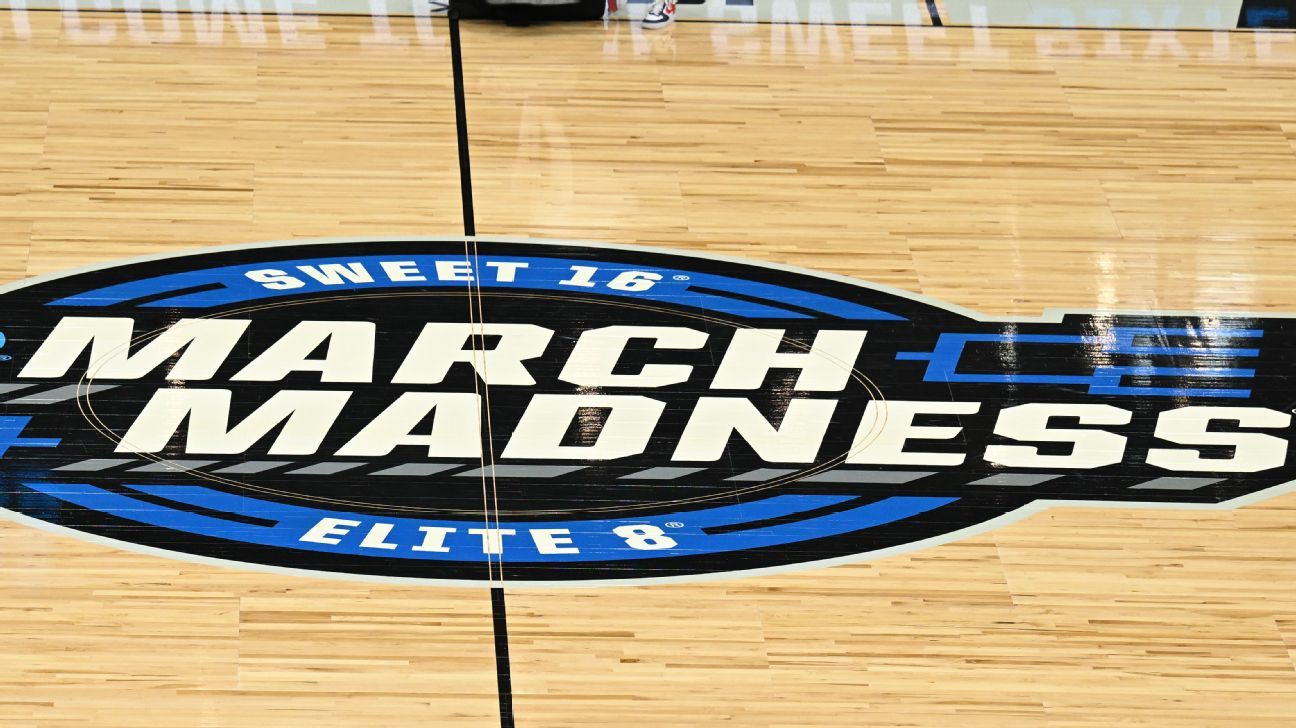
As of Friday night, DraftKings' sportsbook app featured numerous references to "March Madness," "Sweet Sixteen," "Elite 8," and "Final Four" alongside various wagering options for tournament games. The timing could not be more sensitive, with the tournaments in full swing and millions of fans tuning in for the excitement of the postseason.
The NCAA's action underscores its long-standing opposition to any association between its championships and the gambling industry. In the lawsuit, the organization argues that "because DraftKings is actively infringing the NCAA's marks in the middle of the NCAA Men's and Women's Division I Basketball Tournaments ('Tournaments') and the NCAA has consistently refused to be affiliated with the gambling industry, this issue is an urgent one and critical to the NCAA's organizational mission."
A statement released by the NCAA alongside the filing emphasized the depth of its commitment to separating student-athletes from betting activities. "DraftKings' unauthorized use of its trademarks is flatly contrary to one of the Association's most deeply held institutional values: that sports betting must not be associated with, endorsed by, or linked to NCAA championships or the student-athletes who compete in them," the release stated.
The dispute arrives at a pivotal moment for college sports, where the landscape has shifted dramatically since the U.S. Supreme Court's 2018 decision in Murphy v. NCAA, which struck down a federal ban on sports betting. That ruling paved the way for states to legalize wagering on athletic events, leading to an explosion in the industry. DraftKings, founded in 2012 as a daily fantasy sports provider, has grown into one of the leading online sportsbooks, operating in over 20 states as of early 2024.
Yet, the NCAA has navigated this new era cautiously. In 2019, under then-President Mark Emmert, the association partially lifted its ban on sports betting advertisements but maintained strict prohibitions on direct ties to gambling operators. The current president, Charlie Baker, a former Massachusetts governor who assumed the role in March 2023, has continued this balanced approach while voicing concerns about the potential harms of widespread betting.
Interestingly, the lawsuit notes that other sportsbooks beyond DraftKings were also displaying "March Madness" and similar terms on their apps Friday evening. This suggests the issue may extend beyond a single company, potentially signaling broader enforcement challenges for the NCAA as it protects its intellectual property during high-profile events.
ESPN, which maintains a business partnership with DraftKings, reported reaching out to the sportsbook for comment but did not immediately receive a response. DraftKings has not publicly addressed the suit as of Saturday morning, though industry observers speculate the company may argue fair use or descriptive purposes for the terms, given their widespread cultural adoption.
The "March Madness" moniker, trademarked by the NCAA since 2009 in collaboration with the March Madness Athletic Association, has become synonymous with the annual single-elimination tournaments that captivate the nation each spring. The men's event, featuring 68 teams, generates billions in economic impact, while the women's tournament has seen surging popularity in recent years, boosted by stars like Caitlin Clark of Iowa.
Legal experts familiar with trademark law point out that while terms like "Final Four" are fiercely guarded— the NCAA has previously sued entities from candy makers to parking lots for unauthorized use—enforcing them in the digital betting space presents unique hurdles. "The NCAA has a strong case here because these marks are so closely tied to their brand identity," said one intellectual property attorney who spoke on condition of anonymity due to ongoing client matters. "But DraftKings could counter that the phrases are generic descriptors in the context of sports events."
The suit requests a briefing schedule to begin on Monday, indicating the NCAA's intent to expedite proceedings amid the tournament's progression. The men's Final Four is set for April 6 in Glendale, Arizona, with the championship game following on April 8, while the women's counterpart concludes in Cleveland on April 7.
This litigation is part of a larger pattern of NCAA efforts to delineate boundaries in the gambling era. Just days earlier, on Tuesday, President Baker sent a letter to the Commodity Futures Trading Commission urging the federal regulator to suspend prediction markets from offering trading on college events. In the letter, Baker highlighted risks to the integrity of amateur athletics, echoing themes from the DraftKings suit.
The broader implications of this case could ripple through the sports betting industry, which has poured billions into partnerships with leagues and media outlets. For the NCAA, a victory might reinforce its autonomy over branding, while a loss could embolden operators to more freely leverage tournament nomenclature. As one college sports administrator noted privately, "This is about more than just words—it's about preserving the purity of the game for the athletes who make it all possible."
As the tournaments unfold, all eyes will be on the courtroom as much as the court. The NCAA's aggressive stance signals a zero-tolerance policy toward perceived encroachments, even as legal sports betting continues to expand across the country. Whether this suit leads to a swift injunction or a protracted battle remains to be seen, but it highlights the ongoing tension between tradition and the modern realities of sports commerce.
For now, fans placing bets through DraftKings or rival apps may notice subtle changes if the temporary order is granted, but the underlying debate over trademarks in a betting-saturated world is far from resolved. The Appleton Times will continue to monitor developments in this fast-moving story.