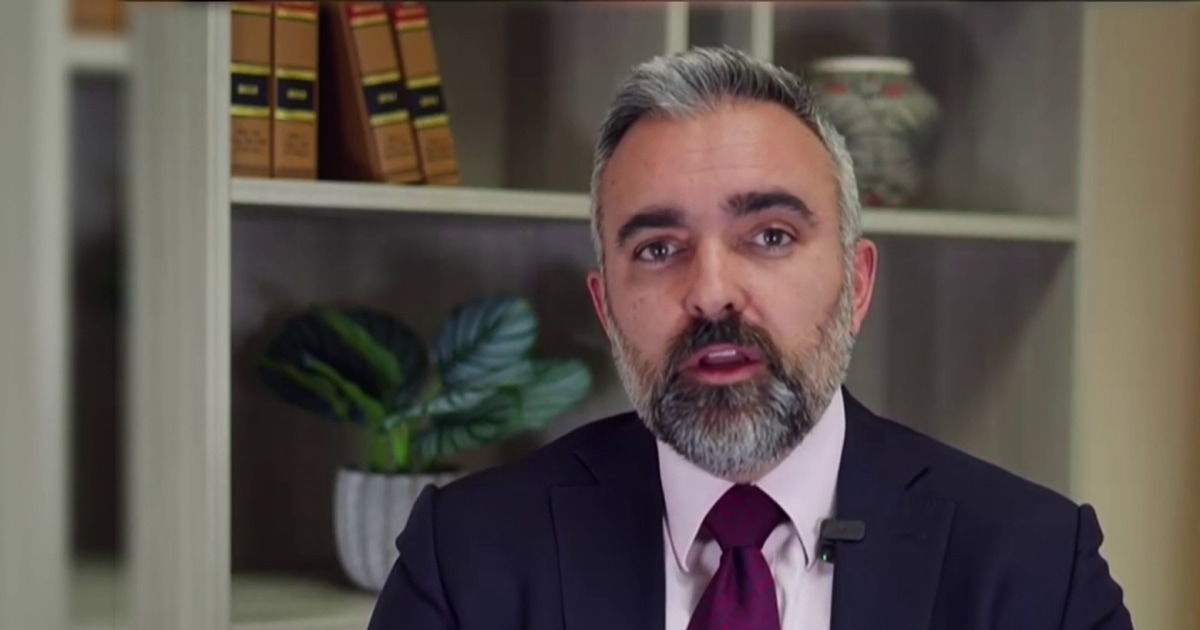
In a bold move to protect young users online, New Mexico Attorney General Raul Torrez has filed a lawsuit against Meta, the parent company of Facebook and Instagram, accusing the tech giant of fostering an environment rife with sexual exploitation of children. Torrez, speaking in a recent interview, emphasized that social media platforms are far from the safe havens they claim to be for teenagers. "Social media is not a 'safe space' for teens," Torrez stated, highlighting the dangers posed by algorithmic designs that allegedly prioritize engagement over safety.
The lawsuit, filed in a New Mexico state court, alleges that Meta's platforms have enabled widespread sexual abuse and exploitation of minors through features that connect predators with vulnerable children. According to court documents cited in reports from NBC News, the suit claims Meta knowingly designed its algorithms to keep young users scrolling for hours, exposing them to harmful content and interactions. Torrez's office argues that these practices violate state consumer protection laws and have led to real-world harm for thousands of New Mexico youth.
Torrez elaborated on the motivations behind the legal action during an appearance on NBC News. He pointed to internal Meta documents, reportedly obtained through investigations, that reveal the company's awareness of these risks yet failure to implement adequate safeguards. "We filed this lawsuit because the platform has been a breeding ground for sexual exploitation," Torrez said, underscoring the need for accountability from Big Tech.
This case is part of a growing wave of litigation against social media companies over youth safety. In October 2023, a coalition of 42 attorneys general from across the U.S., including New Mexico, announced a multi-state lawsuit against Meta, echoing similar concerns about addictive features and inadequate protections for minors. That federal complaint, filed in U.S. District Court in Oakland, California, accused Meta of deploying a "business model that is fundamentally incompatible with the well-being of young users." New Mexico's standalone suit builds on this momentum, focusing specifically on state-level remedies.
Meta, in response to the New Mexico filing, issued a statement defending its efforts to combat child exploitation. "We have more to do, but we are committed to keeping young people safe online and have invested heavily in new tools, resources, and teams dedicated to this work," the company said in a press release. Representatives for Meta pointed to recent updates, such as enhanced parental controls and AI-driven content moderation, as evidence of their proactive stance. However, critics, including Torrez, argue these measures fall short, with internal audits reportedly showing persistent gaps in enforcement.
The allegations in the New Mexico lawsuit detail specific instances of harm. According to the complaint, Instagram's direct messaging features have been exploited by adults to groom minors, with over 100,000 daily reports of child sexual exploitation material on Meta platforms globally in 2023, per company transparency reports. Torrez's office cited data from the National Center for Missing & Exploited Children, which received more than 32 million reports of suspected child sexual abuse material in 2022 alone, a significant portion originating from social media sites like Instagram and Facebook.
Background on Torrez's push for this lawsuit traces back to heightened national scrutiny of social media's impact on mental health and safety. In 2021, whistleblower Frances Haugen, a former Meta product manager, testified before Congress, revealing how the company's research showed Instagram exacerbating body image issues among teen girls. Haugen's disclosures, which included slides from Meta's internal presentations, fueled calls for regulation. Torrez referenced similar findings in his interview, noting that New Mexico's case incorporates evidence from these leaks to demonstrate a pattern of negligence.
Experts in child protection have weighed in on the significance of Torrez's action. Dr. Amanda Lenhart, a researcher at the ConnectSafely nonprofit, described the lawsuit as a "critical step" in holding platforms accountable. "Social media companies have profited immensely from young users while downplaying the risks," Lenhart said in a recent panel discussion. She pointed to studies showing that 95% of U.S. teens use social media, with platforms like Instagram serving as primary communication tools, making safeguards essential.
On the other side, tech industry advocates argue that lawsuits like this could stifle innovation. The NetChoice trade group, which represents Meta and other online companies, criticized the multi-state suit as "politically motivated overreach." In a statement, NetChoice said, "Attorneys general are using the court system to pursue policy goals better addressed by Congress." They contend that existing federal laws, such as Section 230 of the Communications Decency Act, shield platforms from liability for user-generated content, a protection the lawsuits seek to challenge.
New Mexico's case also highlights regional concerns. The state, with a population of about 2.1 million, has seen a rise in online predation cases, according to the New Mexico Department of Public Safety. In 2022, local law enforcement investigated over 500 incidents involving child sexual exploitation linked to social media, up 20% from the previous year. Torrez's office has partnered with federal agencies, including the FBI, to bolster these efforts, but the attorney general stressed that platform-level changes are necessary to stem the tide.
The timing of the lawsuit coincides with ongoing congressional hearings on social media regulation. In January 2024, Meta CEO Mark Zuckerberg testified before the Senate Judiciary Committee, apologizing to families affected by online harms. Zuckerberg committed to further investments in safety, including $5 billion annually on integrity and safety initiatives. Yet, Torrez dismissed these pledges as insufficient, saying in his NBC interview, "Apologies don't protect children; enforceable changes do."
Broader implications of the New Mexico suit extend to potential precedents for other states. If successful, it could result in millions in fines and mandated reforms, such as age verification tools or limits on algorithmic recommendations for minors. Similar cases in California and New York have already prompted settlements; for instance, in 2022, TikTok agreed to pay $92 million to resolve a privacy suit involving children. Legal analysts predict Meta may seek to consolidate the New Mexico case with the multi-state action to streamline defenses.
Child advocacy groups have rallied behind Torrez's efforts. The National Children's Alliance, which operates centers supporting abuse victims, reported that social media-related cases now account for 40% of their workload. Executive Director Tiffani Moore stated, "This lawsuit validates what we've seen on the ground: platforms are enabling predators." Meanwhile, privacy advocates caution against overreach, warning that stricter controls could infringe on free speech rights for teens.
Looking ahead, Torrez's office plans to pursue discovery aggressively, seeking more internal Meta communications to build their case. The attorney general has called on other states to join or file parallel actions, potentially amplifying pressure on Meta. As the legal battle unfolds, it underscores a pivotal moment in the debate over technology's role in society, with children's safety at the forefront.
For families in New Mexico and beyond, the lawsuit offers hope amid growing concerns. Parents like Maria Gonzalez of Albuquerque, whose daughter encountered inappropriate messages on Instagram at age 13, shared her story with local media. "We thought it was just fun and games, but it turned dangerous," Gonzalez said. Torrez's action, she added, is a reminder that vigilance alone isn't enough—systemic change is required to make digital spaces safer for the next generation.