WASHINGTON — The U.S. Department of Justice has reportedly launched an investigation into the National Football League, scrutinizing whether the league's shift toward streaming services constitutes anticompetitive practices that harm fans. According to a report by The Wall Street Journal, the probe began on Thursday, amid growing complaints from viewers frustrated by the need to subscribe to multiple costly platforms to watch games.
The investigation focuses on the NFL's broadcasting strategy, which has increasingly moved games to streaming services like Amazon Prime Video, Peacock, and Netflix, in addition to traditional cable options. Fans seeking comprehensive access, including out-of-market games via YouTube TV's NFL Sunday Ticket, face annual costs exceeding $1,500, not including basic cable or internet fees. This pivot has drawn scrutiny from regulators and lawmakers, who question if it violates the conditions of the league's antitrust exemption under the Sports Broadcasting Act of 1961.
That law, enacted to allow the NFL to negotiate collective television deals without running afoul of antitrust regulations, includes provisions to ensure broad access for consumers. However, as streaming prices surge and ticket costs climb, critics argue the league is stretching this exemption too far. Sen. Mike Lee, R-Utah, chair of the Senate Judiciary Subcommittee on Antitrust, Competition Policy and Consumer Rights, sent a letter to the Justice Department and Federal Trade Commission requesting a review of the NFL's exemption status.
FCC Chairman Brendan Carr has been vocal on the issue, highlighting the regulatory review underway. In an appearance on "Fox & Friends" last month, Carr noted that the FCC has received thousands of public comments on whether a significant share of sports programming should remain on free over-the-air broadcast television. "We actually got thousands and thousands of comments. It was a big number for the FCC... The vast majority so far, based on an initial assessment, support keeping a significant portion of these sports games on free, over-the-air broadcast TV," Carr said.
Carr emphasized the frustration among fans, describing the current landscape as requiring "a computer science degree to decipher." He pointed out that historically, broadcast TV and sports leagues enjoyed a symbiotic relationship that boosted league growth while bolstering local news outlets. "We're at a tipping point where these leagues can push it so far, putting games behind paywalls, that they undermine their ability to claim that antitrust exemption," Carr added.
The probe comes as the Trump administration and members of Congress signal potential revisits to the 1961 act. Lawmakers have warned that the NFL's deals, which now include preseason games potentially sold to streaming services, may no longer align with the law's intent to protect customer access. A Fox News poll conducted in March found that 72% of sports fans believe major sporting events should remain free on broadcast TV.
Fan discontent has been palpable on the streets. OutKick's Davey Hudson interviewed supporters in Nashville and New York City last month, capturing raw reactions to the streaming model. One fan in Nashville expressed exasperation: "I think it’s frustrating when you just want to watch a game, and you have to figure out what app it’s on. And then you're paying for multiple apps all the time."
In New York, another fan was more direct, calling the system "f---ing stupid." "Well, it’s f---king stupid, you have to get five different platforms to watch all of the games that you want to, and still you have to pay on top. It’s ridiculous at this point," the fan said. A third described it as a "pain in the a--" to track game schedules across services, while yet another labeled it a "money grab," pointing to Netflix's recent entry into NFL broadcasting.
The NFL's streaming partnerships have expanded rapidly. Amazon Prime Video has held rights to Thursday Night Football since 2017, with games like the November 29, 2024, matchup between the Kansas City Chiefs and Las Vegas Raiders at GEHA Field at Arrowhead Stadium in Kansas City, Missouri, broadcast on the platform. Peacock, operated by NBCUniversal, airs select Sunday Night Football games, and Netflix announced a deal last year to stream Christmas Day games starting in 2024.
For the full slate, fans must also subscribe to services carrying CBS, Fox, ESPN, and NBC games, often bundled through YouTube TV or similar providers. The NFL Sunday Ticket package alone costs around $350 per season, on top of monthly fees for Prime ($14.99), Peacock ($5.99 for basic), and Netflix ($6.99 for standard). When combined with high-speed internet requirements for reliable streaming, the total can easily surpass $1,500 annually, leaving many average fans priced out.
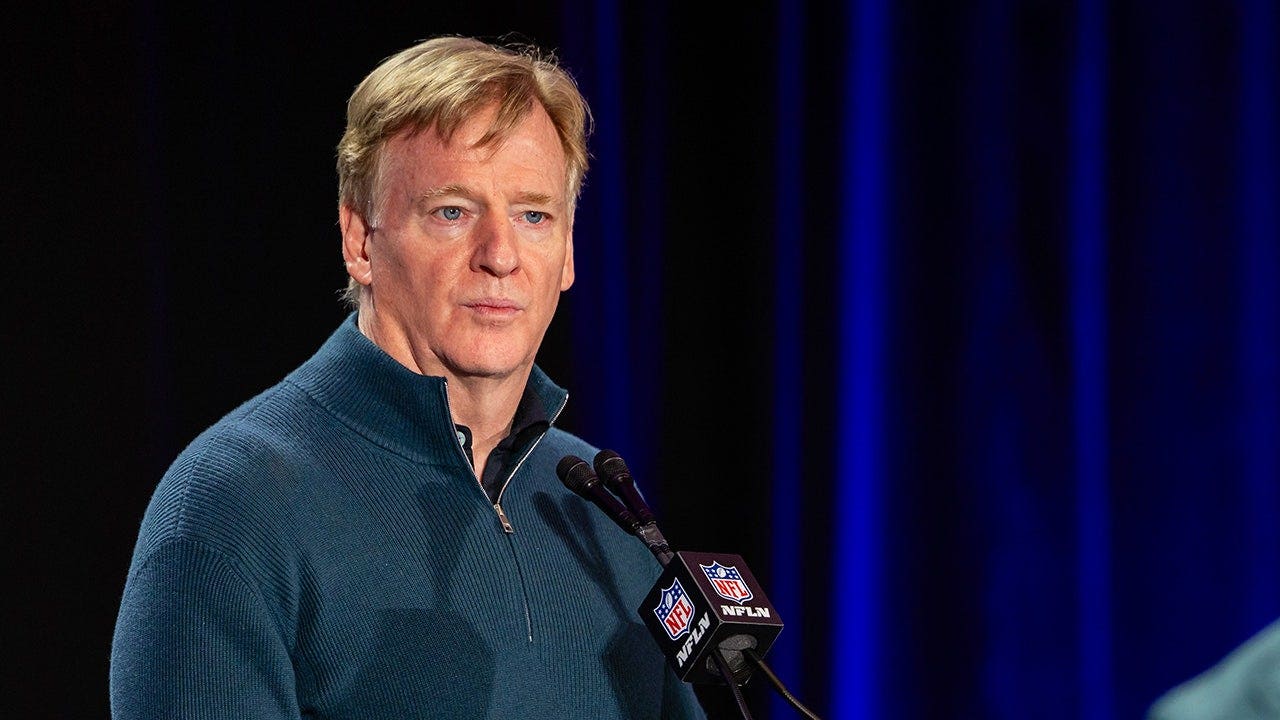
NFL Commissioner Roger Goodell addressed broadcasting during a February 9, 2026, press conference at the Moscone Center in San Francisco following Super Bowl LX, though he did not directly comment on the investigation. The league has defended its strategy as a way to reach new audiences globally, with former players and agents weighing in on the pros and cons of expansion. One legendary sports agent suggested teams adopt fresh approaches to combat skyrocketing ticket prices, which average over $150 per seat in some markets.
Neither the Justice Department nor the NFL responded to requests for comment from Fox News Digital. The reported investigation aligns with broader concerns about sports media rights, as the FCC continues its review. Carr indicated that actions could come from other government branches or Congress if leagues persist in limiting access.
The implications extend beyond football. As streaming dominates, similar issues plague other leagues like the NBA and MLB, where blackouts and regional restrictions add to viewer woes. Consumer advocates argue that without intervention, the trend could erode the communal appeal of sports, turning Sunday afternoons into a logistical nightmare rather than a national pastime.
Looking ahead, the Justice Department's probe could reshape NFL negotiations for its next media rights cycle, set to expire after the 2033 season. If found in violation, the league might face fines, forced divestitures, or a loss of its antitrust shield, prompting a return to more accessible broadcasting. For now, fans like those interviewed by Hudson remain vocal, hoping regulators restore the simplicity of tuning into a game without a subscription labyrinth.
In Appleton, Wisconsin, local NFL enthusiasts echo national sentiments. At a recent Packers watch party, one attendee noted the irony of a league built on community now fragmenting its audience. As the season progresses, all eyes will be on Washington to see if this investigation levels the playing field for viewers.