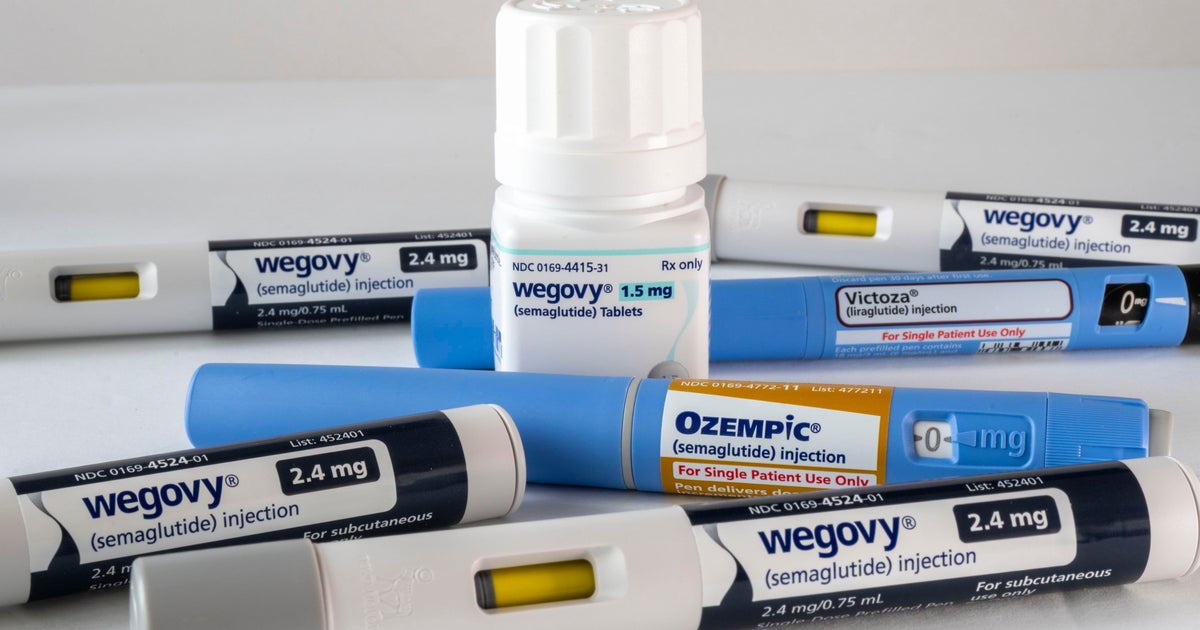
In a significant move to address affordability concerns in the booming weight-loss drug market, Novo Nordisk announced on Tuesday that it will cut the list prices of its popular medications Wegovy and Ozempic by up to 50% starting in January 2027. The Danish pharmaceutical giant plans to offer these injectable drugs, along with its oral diabetes treatment Rybelsus, for $675 per month—a 50% reduction for Wegovy and a 35% drop for Ozempic. This pricing adjustment comes amid intensifying competition from rivals like Eli Lilly and as demand for these GLP-1 receptor agonist drugs surges among patients seeking weight management and diabetes control.
The announcement highlights the evolving landscape of the pharmaceutical industry, where blockbuster drugs like Wegovy and Ozempic have generated billions in revenue but faced criticism over high costs. Novo Nordisk, headquartered in Bagsværd, Denmark, positioned the price cuts as a response to calls from patients, insurers, and government payers for greater accessibility. "Private and public payers, as well as patients, want access and have been calling for lower list prices," said Jamey Miller, executive vice president of U.S. operations for Novo Nordisk, in a statement released by the company.
Under the new plan, the $675 monthly price will apply to the list price of these medications, which is the baseline figure before insurance discounts or rebates. However, Novo Nordisk clarified that the reductions will not affect its direct-to-patient pricing programs, where eligible consumers can already access the drugs at lower rates through manufacturer savings cards or other initiatives. This distinction is important, as many patients currently pay far less than the full list price due to insurance coverage or assistance programs.
The decision arrives on the heels of another pricing initiative from Novo Nordisk. In November, the company unveiled a new plan aimed at reducing out-of-pocket costs specifically for customers with high-deductible health plans, a growing segment of the U.S. population facing steep initial expenses before insurance kicks in. That move, combined with Tuesday's announcement, underscores the company's efforts to navigate a complex reimbursement environment while maintaining profitability in a market projected to exceed $100 billion by the end of the decade.
Competition is a key driver behind these changes. Eli Lilly, based in Indianapolis, has been aggressively vying for market share with its own GLP-1 drugs, Mounjaro for diabetes and Zepbound for weight loss, both of which have seen rapid adoption since their approvals. Lilly has also pursued pricing strategies to undercut Novo Nordisk, including direct-to-consumer discounts and partnerships with pharmacies. As more GLP-1 treatments enter the market from companies like Pfizer and smaller biotech firms, experts anticipate further price pressures to capture the expanding patient base, which includes millions of Americans grappling with obesity and related conditions.
Beyond corporate rivalry, external factors are influencing pricing dynamics. Wegovy and Ozempic are among dozens of drugs available at discounted rates through Trumprx.gov, an online platform launched by the Trump administration in late 2024. The site provides consumers with direct access to lower prices for approximately 40 medications, bypassing traditional pharmacy benefit managers and aiming to empower patients in a fragmented healthcare system. According to the platform's operators, this initiative has already facilitated savings for thousands of users on high-cost prescriptions.
The broader context of GLP-1 drugs reveals a transformative impact on public health. Ozempic, approved by the U.S. Food and Drug Administration in 2017 for type 2 diabetes, gained off-label popularity for weight loss before Wegovy—essentially the same drug at higher doses—was cleared specifically for obesity in 2021. Clinical trials have shown Wegovy users achieving average weight reductions of 15% or more, fueling a cultural shift toward medical interventions for weight management. Yet, supply shortages and pricing debates have persisted, with list prices historically exceeding $1,300 per month for Wegovy.
Novo Nordisk's press release emphasized that the price slash is intended to lower barriers for those with commercial insurance, particularly high-deductible plans that leave patients exposed to full costs early in the year. Industry analysts note that while list prices influence negotiations with insurers, actual patient expenses vary widely based on coverage. For uninsured individuals or those in Medicare, the impact could be more direct, potentially making these drugs viable for the first time.
Stakeholders reacted variably to the news. Patient advocacy groups, such as the Obesity Action Coalition, welcomed the development as a step toward equity in access. "Anything that brings down the cost of these life-changing medications is a win for patients," said one coalition spokesperson in a statement to reporters. On the other hand, some healthcare economists cautioned that list price reductions alone may not translate to immediate savings at the pharmacy counter, given the role of rebates and pharmacy benefit manager fees in the U.S. drug pricing ecosystem.
The announcement also intersects with ongoing policy discussions in Washington. Lawmakers from both parties have pushed for reforms to curb drug prices, including the Inflation Reduction Act's provisions allowing Medicare to negotiate prices for select drugs—a list that could soon include GLP-1 agonists if utilization trends continue. Novo Nordisk, which reported global sales of $33 billion in 2023 largely driven by Ozempic and Wegovy, has lobbied against some of these measures while simultaneously offering voluntary discounts to mitigate political backlash.
Looking ahead, the price cuts could reshape market dynamics. With Wegovy now at $675 monthly—down from its current $1,350 list price—Novo Nordisk aims to broaden its customer base and fend off generic entrants, though patents protect these drugs until at least the early 2030s. Eli Lilly has not yet responded to the announcement, but sources close to the company suggest it may accelerate its own pricing adjustments to remain competitive.
For patients like those in Appleton, Wisconsin, where obesity rates hover above the national average, this news offers hope amid rising healthcare costs. Local clinics have reported increased inquiries about GLP-1 therapies, but affordability remains a hurdle. "We've seen more people asking about options, but the price tag often stops them," said Dr. Elena Ramirez, a family physician at Appleton Memorial Hospital, in an interview. The Novo Nordisk move could encourage more prescriptions, potentially easing strain on public health resources strained by chronic diseases.
Broader implications extend to the global stage, where Novo Nordisk supplies these drugs to over 170 countries. While the price cuts are U.S.-focused, they signal a willingness to adapt to international pressures, including Europe's stricter pricing regulations. Analysts predict that sustained competition could drive average costs down by 20-30% industry-wide over the next few years, benefiting millions worldwide.
As implementation details emerge, questions linger about how insurers will respond. Will rebates adjust accordingly, or will the savings primarily accrue to Novo Nordisk's bottom line? For now, the company stands by its commitment to affordability. "We're listening to our customers and taking action to make our medicines more accessible," Miller added in the statement.
In the end, this pricing pivot by Novo Nordisk marks a pivotal moment in the saga of weight-loss drugs, balancing innovation with accessibility in an era of heightened scrutiny on Big Pharma. As 2027 approaches, patients and providers alike will watch closely to see if these reductions deliver on their promise of broader access to transformative treatments.