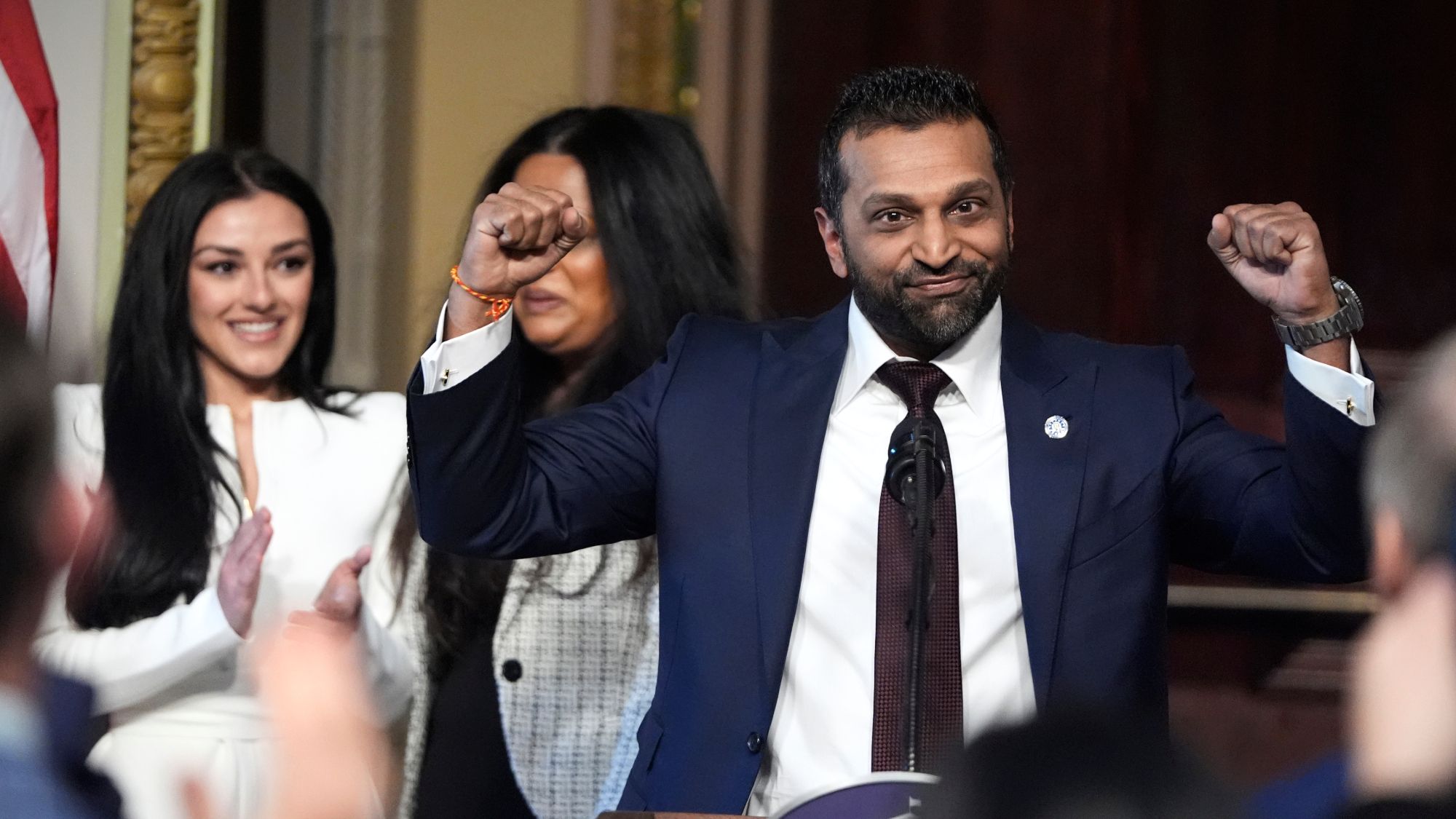
In a striking case that has raised alarms about press freedom, the Federal Bureau of Investigation launched a probe into a New York Times reporter last month following her January article detailing security arrangements for FBI Director Kash Patel's girlfriend. According to the Times, which cited a person briefed on the matter, the investigation stemmed from the reporter's coverage of Patel's decision to assign an around-the-clock SWAT team to protect and escort Alexis Wilkins, a conservative commentator and Patel's partner. The inquiry, initiated by FBI agents, explored whether the journalist's reporting techniques violated federal stalking laws, but Justice Department officials quickly intervened, deeming the effort legally baseless and an act of retaliation against critical journalism.
The original story, published in January, highlighted what the Times described as an unusual use of federal resources. It reported that Patel, who assumed the role of FBI director earlier this year amid President Donald Trump's second term, had directed the elite SWAT unit to provide constant protection for Wilkins, including during her public appearances and personal travels. This level of security, typically reserved for high-threat targets, drew scrutiny for potentially blurring the lines between official duties and personal affairs, especially given Wilkins' profile in right-wing media circles.
FBI spokesperson Ben Williamson addressed the controversy in a statement released Wednesday, acknowledging the probe without disputing the underlying details of the SWAT assignment. "Investigators were 'concerned' that the Times journalist’s 'aggressive reporting techniques crossed lines of stalking,'" Williamson said, adding that "no further action was ever pursued by the FBI." His comments suggest internal unease about the reporter's methods, which reportedly involved persistent inquiries and observations to verify the security details, though specifics on what constituted "stalking" remain unclear.
The Justice Department's swift shutdown of the investigation underscores tensions within the federal law enforcement apparatus under Patel's leadership. Officials viewed the probe as an overreach, potentially chilling investigative journalism that holds powerful figures accountable. This incident is not isolated; Patel has a history of clashing with the media. As noted by The Associated Press, "Patel 'hasn’t been reluctant to fight back against reporting that displeases him.'" Just this week, a federal judge in Texas dismissed a defamation lawsuit Patel had filed against former FBI official Frank Figliuzzi.
Figliuzzi's comments, made last year on MSNBC's "Morning Joe," questioned Patel's priorities during his time as a nominee or early in his tenure. "Reportedly, he’s been visible at nightclubs far more than" at FBI headquarters, Figliuzzi said, prompting Patel to sue for defamation. U.S. District Judge Amos Mazzant ruled Wednesday that the statements were protected opinion and not actionable, marking another legal setback for Patel in his efforts to counter public criticisms. The dismissal, filed in the Eastern District of Texas, reinforces judicial reluctance to entertain suits that appear aimed at silencing dissent.
Background on Patel provides context for these events. Kash Patel, a staunch Trump loyalist, rose through the ranks during the first Trump administration, serving in roles at the National Security Council and as chief of staff to the acting Secretary of Defense. His nomination to lead the FBI was controversial, with critics citing his lack of traditional law enforcement experience and his vocal advocacy for purging what he calls the agency's "deep state" elements. Upon confirmation in early 2025, Patel promised reforms but has faced accusations of politicizing the bureau, including in personnel decisions and resource allocations.
Alexis Wilkins, 29, is a rising figure in conservative media, having worked as a congressional aide and now hosting shows on platforms like PragerU. Her relationship with Patel became public last year, drawing media attention amid questions about conflicts of interest. The SWAT detail, as reported, involved a team of at least a dozen agents rotating shifts to shadow Wilkins from her Washington, D.C., residence to events across the country, including a February speech in Los Angeles. Sources familiar with the arrangement told the Times it was justified by vague threats against Patel's inner circle, though no specific incidents were cited publicly.
The reporter in question, whose name has not been disclosed by the Times to protect her safety, has covered national security beats for over a decade. Colleagues described her work as thorough but aggressive, often involving public records requests and on-the-ground verification. In this case, her efforts included attending events where Wilkins appeared and interviewing sources close to the FBI, actions that apparently triggered the internal complaint leading to the probe.
Reactions from press advocacy groups have been swift and condemnatory. The Reporters Committee for Freedom of the Press issued a statement Wednesday calling the investigation "a dangerous precedent that could intimidate journalists from pursuing stories of public interest." Meanwhile, the FBI's internal review processes are under scrutiny, with questions about how such a probe was greenlit in the first place. According to the AP, "It’s 'not clear whether the Times has any recourse other than asking a federal inspector general to review' the FBI’s actions."
Patel's defenders, including allies in the Trump administration, have portrayed the media scrutiny as biased harassment. White House press secretary Karoline Leavitt, in a briefing Thursday, dismissed the Times report as "fake news" and emphasized that director-level security decisions are classified. "The safety of FBI leadership and their families is paramount," Leavitt said, without addressing the stalking probe directly. This aligns with broader administration narratives framing critical coverage as part of a liberal media conspiracy.
Broader implications extend to the erosion of trust in federal institutions. Since Patel's appointment, the FBI has seen a wave of resignations among career agents uncomfortable with perceived politicization. A Government Accountability Office report from March noted a 15% drop in morale surveys within the bureau, attributing it partly to high-profile controversies like this one. Legal experts, such as those quoted in Lawfare, warn that retaliatory probes could violate First Amendment protections, potentially inviting lawsuits from the Times or civil liberties groups.
Looking ahead, the incident may prompt congressional oversight. Senate Judiciary Committee Democrats, led by Ranking Member Dick Durbin of Illinois, have requested briefings on FBI media interactions. "Weaponizing law enforcement against the press undermines democracy," Durbin said in a letter to Attorney General Pam Bondi dated Wednesday. Republicans on the committee, however, have been more measured, with Senator Lindsey Graham of South Carolina calling for an internal review but defending Patel's right to personal security.
As the story unfolds, questions linger about accountability. The Times has not commented publicly beyond its initial reporting, but sources indicate discussions about formal complaints to the Department of Justice's Office of Professional Responsibility. For journalists covering sensitive topics, this episode serves as a stark reminder of the risks involved, even in routine investigative work. Whether it leads to systemic changes or fades into the cycle of Washington scandals remains to be seen.
In the end, this clash highlights ongoing battles over transparency and power in the nation's capital. With Patel at the helm of the FBI, expect more friction between the bureau and the fourth estate, as both sides navigate an increasingly polarized landscape.