Oil prices surged on Wednesday, reversing a brief decline triggered by reports of a U.S.-Iran ceasefire, as lingering uncertainties about the Strait of Hormuz continue to unsettle global energy markets. Traders and analysts pointed to escalating tensions in the region, where the vital shipping chokepoint handles about 20 percent of the world's oil supply, as a primary driver behind the rebound in crude futures. Brent crude, the international benchmark, climbed 2.5 percent to $82.30 per barrel, while West Texas Intermediate rose 2.3 percent to $78.45, according to market data from the New York Mercantile Exchange.
The volatility comes just days after initial optimism over a potential de-escalation between Washington and Tehran. On Monday, U.S. officials announced a tentative ceasefire following weeks of diplomatic maneuvering amid Iranian threats to disrupt shipping in the Persian Gulf. However, questions persist about the agreement's durability, with Iranian state media reporting that the deal hinges on the withdrawal of U.S. naval assets from the area—a condition American diplomats have not publicly confirmed.
"The market is jittery because no one knows if this ceasefire will hold," said Jill Schlesinger, a senior business analyst at CBS News, in a recent segment. "Investors should diversify their portfolios and avoid knee-jerk reactions to headlines from the Middle East." Her advice underscores the broader caution among financial experts as geopolitical risks overshadow economic recovery signals from other sectors.
The Strait of Hormuz, a narrow waterway between Iran and Oman, has long been a flashpoint for international tensions. Stretching just 21 miles at its narrowest point, it serves as the conduit for roughly 21 million barrels of oil daily, equivalent to one-fifth of global consumption, according to the U.S. Energy Information Administration. Disruptions here could send shockwaves through the economy, reminiscent of the 1979 Iranian Revolution, when oil prices quadrupled amid similar fears.
Recent events trace back to mid-July, when Iranian Revolutionary Guard vessels conducted live-fire exercises near the strait, prompting a swift response from the U.S. Fifth Fleet based in Bahrain. By August 5, satellite imagery from the European Space Agency showed increased Iranian naval deployments, including fast-attack boats and submarines, heightening alarms in energy trading hubs like London and Singapore.
U.S. Secretary of State Antony Blinken addressed the concerns during a press briefing in Washington on Tuesday, stating, "We remain committed to ensuring the free flow of commerce through international waters, and any threats to that will be met with resolve." His comments came as the State Department confirmed the ceasefire talks, brokered through back-channel negotiations in Oman, but stopped short of detailing enforcement mechanisms.
From Tehran's perspective, the situation appears differently. Iranian Foreign Minister Hossein Amir-Abdollahian told state broadcaster IRIB on Monday that the ceasefire was a "necessary pause" to allow for economic relief, but warned that "provocations by American forces could reignite hostilities." This divergence in narratives highlights the fragile nature of the accord, with neither side fully endorsing the other's interpretation.
Market watchers noted that the initial price drop on Tuesday—Brent fell 1.8 percent to $80.20—reflected short-lived relief over the ceasefire news. But by midday Wednesday, reports of unverified drone sightings near Omani waters reversed the trend, pushing prices higher. Bloomberg data showed trading volumes spiking 15 percent above average, indicating heightened speculation.
Experts from the International Energy Agency provided additional context in a report released Wednesday morning. "Geopolitical premiums in oil prices could add $5 to $10 per barrel if tensions escalate," the agency stated, citing historical precedents like the 2019 tanker attacks attributed to Iran. The IEA also noted that global stockpiles, currently at 4.2 billion barrels, offer some buffer but warned of supply chain vulnerabilities in Asia, where 80 percent of Hormuz-transiting oil is destined for refineries in China, India, and Japan.
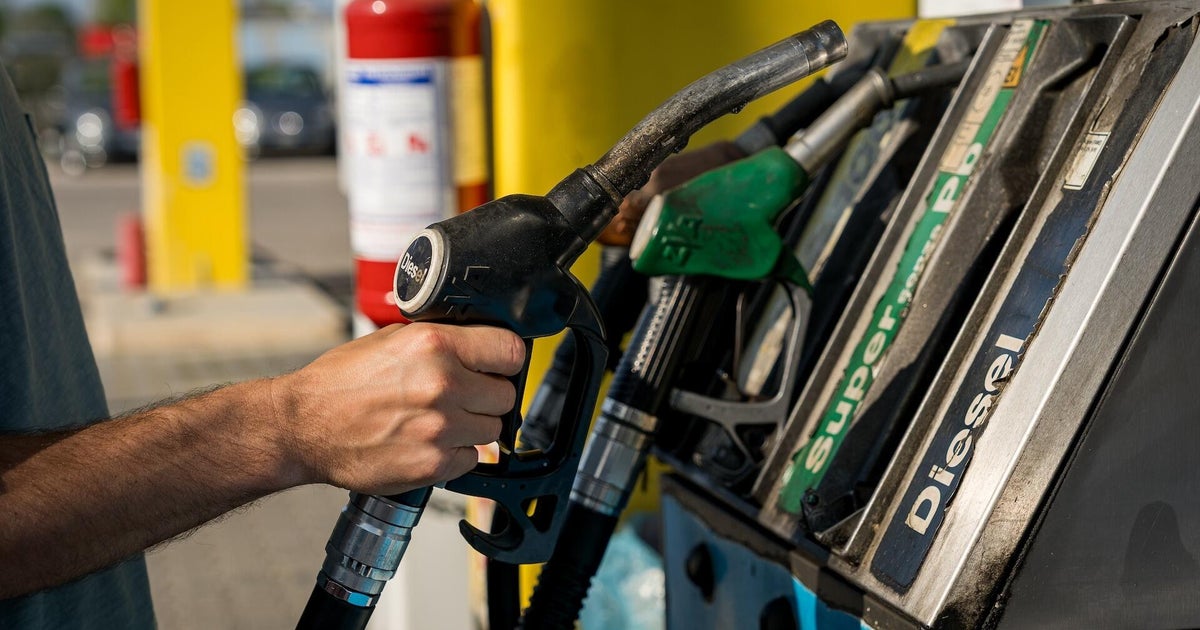
In the U.S., the price fluctuations are already rippling through to consumers. The national average for regular gasoline stood at $3.65 per gallon on Wednesday, up 4 cents from the previous day, according to AAA data. Industry lobbyists, including the American Petroleum Institute, urged the Biden administration to tap strategic reserves if disruptions materialize, referencing the 1 million barrel release in 2022 that temporarily eased pump prices.
Environmental groups, however, expressed skepticism about such measures. "Relying on fossil fuel bailouts distracts from the urgent need for renewable transitions," said Lena Moffitt, executive director of Evergreen Action, in an interview with The Appleton Times. She pointed to the European Union's recent push for wind and solar investments as a model, even as oil-dependent economies grapple with immediate threats.
Broader economic implications extend beyond energy costs. Inflation gauges, such as the Consumer Price Index, could see upward pressure if oil sustains above $80, economists at JPMorgan Chase forecasted in a note to clients. The bank estimated a 0.2 percentage point bump to core CPI for every $10 increase in crude, potentially complicating the Federal Reserve's path to interest rate cuts later this year.
Internationally, allies like Saudi Arabia are monitoring closely. Riyadh, which exports over 7 million barrels daily through the strait, has boosted production to 10.5 million barrels per day under OPEC+ agreements, aiming to offset any Iranian interference. Saudi Energy Minister Prince Abdulaziz bin Salman remarked during a virtual OPEC meeting on Tuesday, "We stand ready to stabilize markets, but stability requires all parties to honor commitments."
As the situation evolves, intelligence assessments from the Pentagon suggest a low but non-zero risk of closure in the coming weeks. A classified briefing leaked to Reuters indicated that U.S. surveillance flights over the gulf have doubled since July 15, with no immediate signs of blockade preparations by Iran. Nonetheless, shipping insurers like Lloyd's of London have raised premiums for vessels transiting the strait by 20 percent, adding costs that could total $500 million annually for global trade.
Looking ahead, diplomatic efforts continue apace. UN Secretary-General Antonio Guterres called for restraint in a statement from New York, emphasizing the strait's role in food security for oil-importing nations in Africa and South Asia. Meanwhile, investors are eyeing upcoming data releases, including U.S. inventory reports from the Energy Department on Thursday, which could provide further clues on supply dynamics.
The rebound in oil prices serves as a stark reminder of the Middle East's enduring influence on global affairs. With the U.S.-Iran ceasefire hanging in the balance, markets remain on edge, and consumers worldwide brace for potential fallout at the pump and beyond. As Schlesinger advised, prudence may be the best strategy in these uncertain times.