More than 40 Americans are now in quarantine for up to six weeks after a hantavirus outbreak struck passengers aboard the expedition cruise ship MV Hondius during its monthlong voyage that began in early May. The outbreak has killed three people and sickened 10 others, according to health officials. The 18 Americans who were on the ship arrived back in the United States on Monday and have since been placed in isolation facilities, with two initially monitored at Emory University Hospital in Atlanta before joining the rest at the National Quarantine Unit at the University of Nebraska Medical Center in Omaha on Friday.
None of the Americans has tested positive for the virus so far, though they may remain isolated for as long as 42 days, the incubation period noted by the World Health Organization on Friday. Health officials have encouraged those in quarantine to stay in the medical facilities until that period ends, but patients can choose to leave and self-isolate at home if they prefer. The situation has drawn attention to the realities of extended medical isolation, with former patients who endured similar experiences during past contagions sharing their accounts.
Dr. Kent Brantly, who contracted Ebola in 2014 while on a mission trip to Liberia, spent three weeks inside Emory University Hospital’s biocontainment unit. He offered reassurance to those now affected. “I want the people who are being affected by this, who are in quarantine or who have loved ones who are in quarantine, to rest assured that they are in the best of hands,” Brantly told NBC News. “They are in the best place to be taken care of.”
The Emory unit, which opened in 2005, features 11 beds along with a dedicated laboratory and HEPA-filtered, negative-pressure rooms. Brantly described his room as a decent-sized space with its own bathroom, where he was monitored around the clock and received IV fluids, frequent blood draws, and an experimental treatment. Nurses in protective equipment stayed at his bedside, and once he regained strength, they guided him through physical therapy while playing Nerf basketball to pass the time.
Brantly recalled the personal care he received. “The team of doctors that attended to me were consummate professionals and experts in their field, but also just really incredible people,” he said. “They not only treated my medical condition, but they really cared for me holistically as a person. My physical well-being, but also my emotional and mental well-being.” He expressed confidence in the teams at both Emory and Nebraska to handle the current situation.
At the National Quarantine Unit in Omaha, which is the only federally funded facility of its kind, patients like Jake Rosmarin are experiencing comparable conditions. The unit has 20 single-occupancy rooms with special air pressure systems, and its biocontainment section across the street can accommodate up to 10 patients. Rosmarin, a Boston-based social media creator who joined the cruise for a content work trip, has been documenting his stay on Instagram since arriving on Monday.
His room includes a bed, a smart TV, and a spin bike, with nurses delivering three meals daily while allowing takeout orders such as Chipotle. Rosmarin has decorated his space with posters of major cities, added a blanket and stuffed animal to his bed, and set up a tea station. From family care packages, he has enjoyed puzzles and a charcuterie board broken into zip-close bags. In recent videos, he showed making a fresh iced vanilla latte using an espresso machine he acquired.
Rosmarin has tested negative and reported feeling good, though he plans to remain for the full 42-day period. “I can sulk in my bed and just be sad and be like, ‘Wow, I’m stuck here for six and a half weeks,’ or I can be like, ‘OK, they’re letting me do all these things, we’re being well taken care of, we’re being fed,’ and just kind of start counting down,” he said. “If I’m not positive, I mean, what’s the point?” He described the staff as amazing and called staying in quarantine the best decision for himself, his family, and the public.
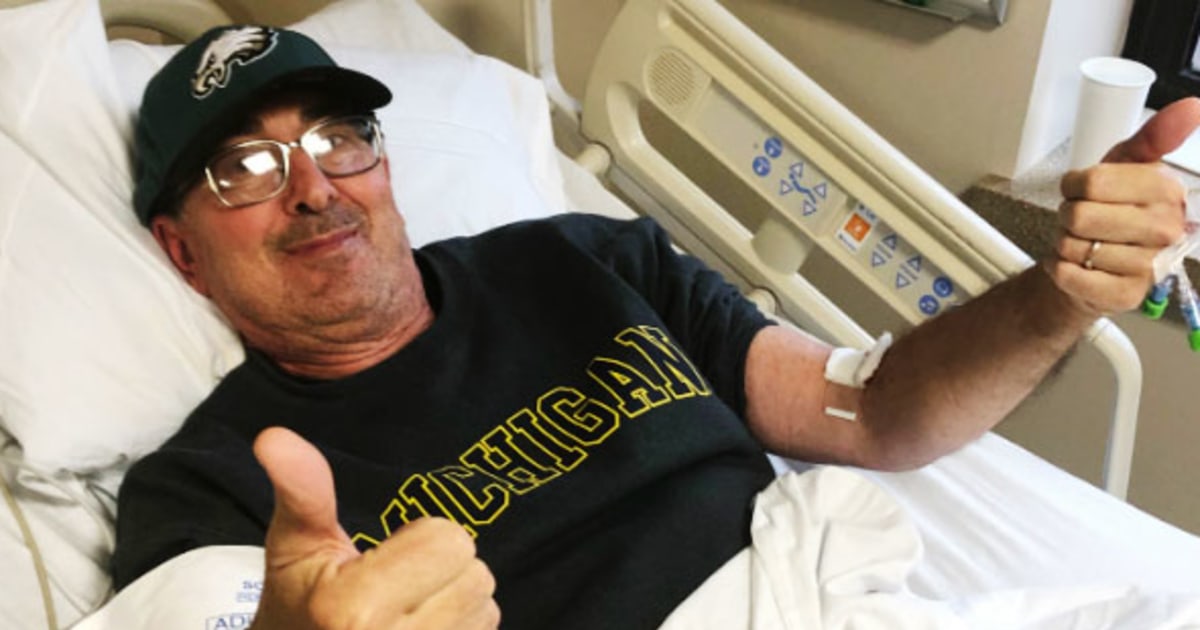
Carl Goldman, who contracted Covid-19 on the Diamond Princess cruise ship in February 2020 and spent a month in Omaha, offered a similar perspective from his time in the biocontainment unit. He described the 20-by-15-foot room as feeling like a scene out of the movie “The Andromeda Strain,” double-sealed with everyone entering in hazmat suits. Doctors provided no medication but served Gatorade constantly, and Goldman passed time by blogging, pacing to record 10,000 steps a day, and limiting media interviews to three per day.
After his symptoms subsided, Goldman moved to another room where at least 50 people lined the hallways to cheer him on. He stayed another 20 days, celebrating his birthday with cupcakes and balloons from staff. Though he could not order takeout at the time, he had mentioned wanting a steak from Omaha Steaks in an interview, prompting the company’s owner to deliver steaks for everyone. “They cooked Omaha Steaks for everybody, all the people, everything,” Goldman recalled. “So, we got to really have a lot of steak, a feast.”
Goldman remembers his experience fondly and advised current passengers to stay positive. “Store your memories, because they will be very memorable, but realize that stress is probably the worst thing that you could add to your body right now,” he said. “Think of it as a long-term vacation. That’s one way to look at it.” He hopes those now quarantined will look at the glass half full.
The accounts from Brantly, Rosmarin, and Goldman highlight the structured support available in these high-security units, from constant monitoring to efforts addressing emotional needs during prolonged isolation. As the Americans continue their quarantine through the end of June, officials continue to monitor their health closely amid the ongoing hantavirus concerns.