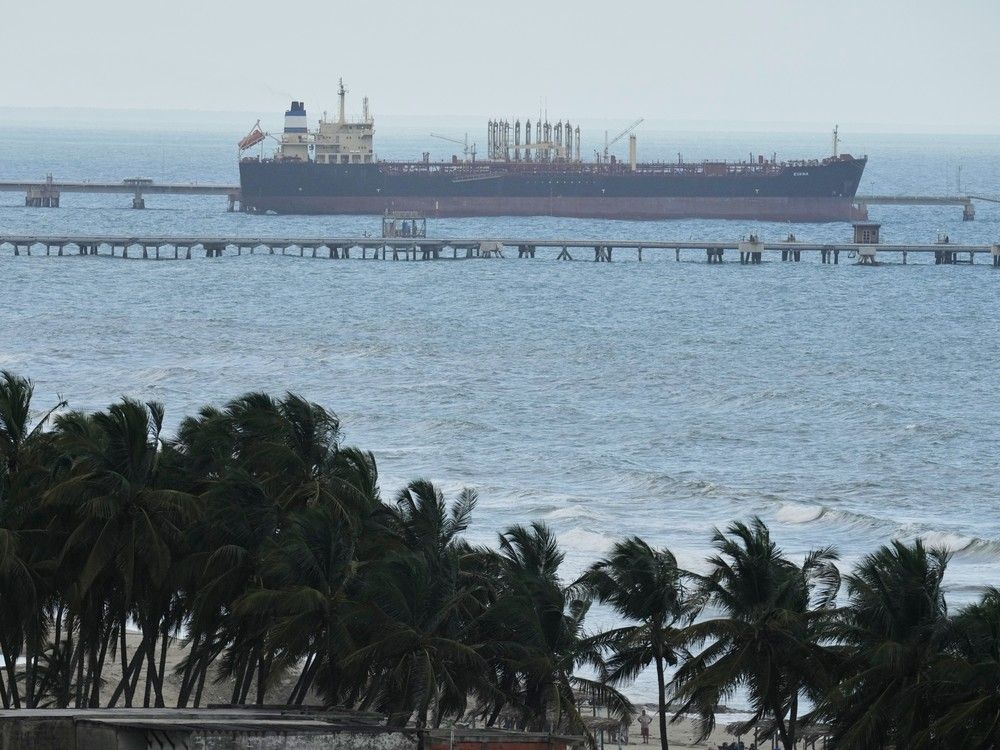
In a dramatic escalation of tensions in South America, United States military forces captured Venezuelan President Nicolás Maduro in Caracas this week, according to reports from international observers and U.S. officials. The operation, which unfolded late Tuesday night local time, marks a pivotal moment in the long-standing U.S. efforts to address Venezuela's political and economic crisis. Active planning for a political transition in the oil-rich nation has since intensified in Washington, D.C., with the U.S. eyeing the revival of Venezuela's vast proven oil reserves—one of the world's largest—as a key strategic gain.
The capture of Maduro, who has led Venezuela since 2013 amid widespread allegations of authoritarianism and economic mismanagement, comes after years of U.S. sanctions and diplomatic pressure. Details of the raid remain sparse, but sources close to the operation described it as a swift, targeted action involving special forces units. "This represents a turning point for stability in the region," a U.S. State Department spokesperson said in a briefing Wednesday, emphasizing the potential for reshaping global energy markets in favor of American interests.
While the immediate focus in Washington is on Venezuela's internal transition, the ripple effects are already being felt far beyond Caracas. Experts warn that a revival of Venezuelan oil production could subtly bolster U.S. leverage over its northern neighbor, Canada, particularly impacting Alberta's oilsands industry. Canada, as the largest foreign oil supplier to the United States, competes directly with Venezuela in the heavy crude market, and any shift in supply dynamics could reverberate through the Canadian economy.
Philippe Le Billon, a professor in the geography department and school of public policy and global affairs at the University of British Columbia, highlighted these concerns in a recent analysis. "A Venezuelan oil revival could also subtly increase American leverage over Canada—particularly Alberta—through its impact on oil prices, investment flows and long-standing debates about Canada’s energy future," Le Billon wrote. He noted that at first glance, this might seem counterintuitive given the close alliance between the two countries, but the competition in heavy-oil markets tells a different story.
American Gulf Coast refineries, specifically configured to process heavy crude historically sourced from Venezuela, Mexico, and Canada's oilsands, stand to benefit from increased Venezuelan supply. If U.S. sanctions are lifted and production ramps up—even modestly—it could flood the market with cheaper barrels, pressuring the price premium for Canadian heavy crude like Western Canadian Select. "For U.S. refiners, cheaper crude is good news. For Canadian producers, it could squeeze margins already vulnerable to global price volatility and high production costs," Le Billon explained.
This competition isn't limited to prices; it extends to investment capital. Oil markets are driven by where investors place their long-term bets, influenced by climate policies, energy transition expectations, and geopolitical risks. A perceived opening in Venezuela might redirect international investments away from Alberta's high-cost oilsands projects. "Even if Venezuela remains risky, the idea of accessing vast reserves at lower costs may appeal to investors looking for short-term gains in a declining oil market," according to Le Billon's assessment.
Alberta's oilsands, known for their significant carbon footprint, already face challenges from environmental regulations and investor scrutiny. A Venezuelan resurgence could further undermine prospects for new expansions and complicate debates over additional pipelines, such as those proposed to Canada's West Coast. Le Billon pointed out that if global capital sees fewer long-term returns in high-cost, high-carbon oil, Alberta might compete not just with renewables but with producers closer to U.S. markets.
However, not all experts agree on the immediacy of these threats. Some Canadian energy analysts, speaking on condition of anonymity due to industry ties, argue that Venezuela's infrastructure—damaged by years of underinvestment, sanctions, and mismanagement—makes a rapid revival unlikely. Production costs there remain high, oil quality is low, and the carbon intensity poses liabilities in a world increasingly focused on emissions reductions. Chevron, one of the few U.S. firms operating in Venezuela under limited licenses, has described its arrangements as fragile, subject to potential reversal.
Political uncertainty adds another layer. Even with Maduro's capture, a post-intervention government in Venezuela could seek retribution against foreign companies perceived as complicit in past pressures. "Though it’s unlikely, a more revolutionary, post-American intervention government in Venezuela might even seek retribution against the U.S. and other foreign companies," Le Billon cautioned. U.S. oil company interests don't always align with broader geopolitical goals, and expectations of an oil surplus in coming decades may dampen enthusiasm for massive investments.
The economic pressures from lower oil prices could also reshape Alberta's political landscape. The province's separatist rhetoric has long been fueled by perceptions that Ottawa siphons its oil wealth through federal transfers and environmental rules. "If oil revenues decline structurally due to lower prices and reduced investment, the economic foundation of this grievance weakens," Le Billon observed. A less oil-dependent Alberta might have fewer incentives for sovereignty pushes, though underlying frustrations could persist.
Beyond Alberta, the broader Canadian economy faces calls for diversification. Le Billon stressed that betting on sustained high oil prices is increasingly untenable amid the messy global energy transition. "For Alberta and Canada more broadly, the lesson is clear: Economic diversification is no longer optional; it’s an urgent necessity," he wrote. This includes ramping up alternative exports in clean technologies, critical minerals, advanced manufacturing, agri-food, and knowledge-based services, alongside investments in workforce transitions and resilient infrastructure.
History provides sobering parallels to Venezuela's situation. Regime change efforts in Iraq, Iran, and Libya often led to production disruptions, instability, and nationalist backlashes that undermined investor confidence and objectives. While some factors suggest Venezuela might differ—such as ongoing U.S. negotiations with Caracas elements and a consensus among major powers on spheres of influence—energy markets prioritize stability over ideology. "Regime change rarely delivers it quickly," Le Billon noted.
Lower oil prices wouldn't spare the U.S. either. Smaller shale producers, burdened by high debt and thin margins, could be early casualties, even as larger firms benefit from cheaper acquisitions and refinery access. This nuance complicates the idea of a clear U.S. victory. As one energy economist at the University of Calgary put it in a separate interview, "Energy geopolitics creates winners and losers on all sides."
Looking ahead, the path for Venezuela's transition remains unclear. U.S. officials have pledged support for a democratic process, but details on timelines or interim governance are pending. For Canada, the events underscore the fragility of relying on oil as a geopolitical anchor. As Le Billon concluded, "Venezuela’s political future may matter less for Canada because of what happens in Caracas and more because it highlights a deeper reality: Oil no longer offers the geopolitical and fiscal certainty it once did." Policymakers in Ottawa and Alberta are already discussing contingency plans, with federal energy minister Jonathan Wilkinson scheduled to address the issue in Parliament next week.
In the coming months, market watchers will monitor Venezuelan production levels closely. If output exceeds expectations, the impacts on Canadian exports—currently averaging 4.1 million barrels per day to the U.S.—could materialize swiftly. Meanwhile, Indigenous groups and environmental advocates in Alberta have renewed calls for a just transition away from fossil fuels, citing the Venezuelan developments as a wake-up call.