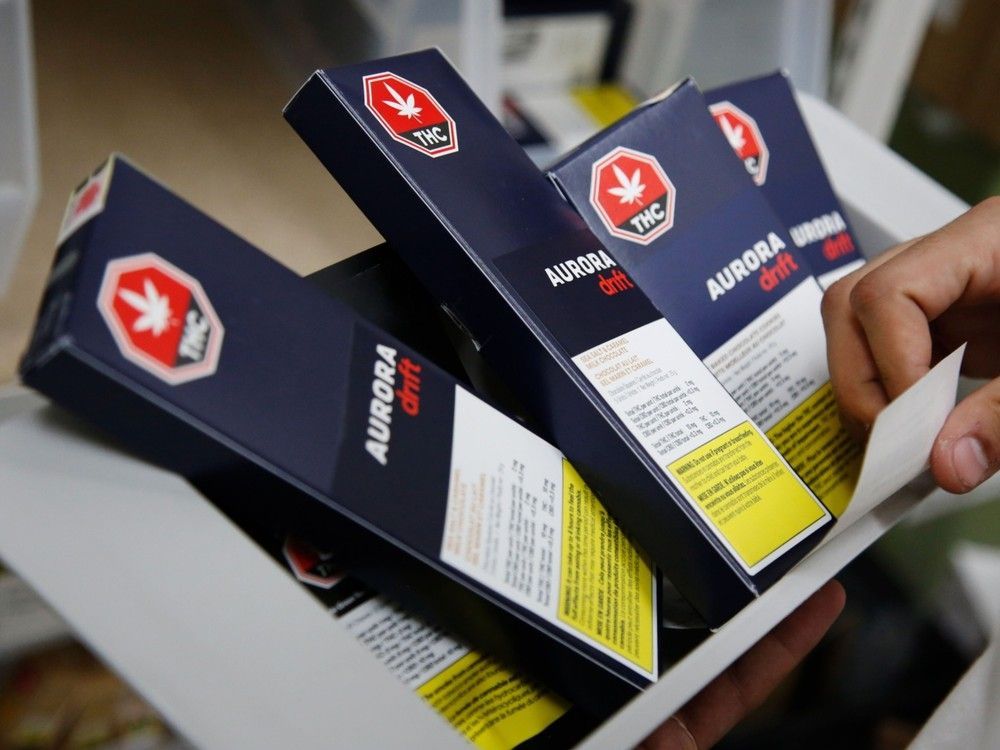
CALGARY, Alberta — More than six years after Canada legalized recreational cannabis for adults, a growing body of research is highlighting serious health risks, particularly for young people, prompting calls for a national conversation on the unintended consequences of the policy. Dr. Edward Les, a pediatric emergency physician in Calgary, argues in a recent opinion piece that the country has become a global case study in the downsides of legalization, with emergency rooms seeing surges in cases linked to heavy pot use.
The legalization took effect on October 17, 2018, allowing adults over 19 in most provinces — and 18 in others like Alberta and Quebec — to possess and consume cannabis. At the time, proponents celebrated it as a step toward regulating a substance already widely used illicitly. Peter Shier, president of the Canadian advertising agency Naked Creative Consultancy, expressed enthusiasm in a 2018 endorsement, stating, “The issue now is for Canada to boldly step up and own this space. As wine is to France and whisky is to Scotland, let cannabis be to Canada.”
However, Les contends that the optimism has given way to alarming realities, especially for youth. He points to cannabis hyperemesis syndrome (CHS), a condition causing severe, cyclical vomiting in chronic users, which has overwhelmed emergency departments across the country. A 2021 editorial in the Journal of Adolescent Health described CHS as “The Coming Storm,” warning of its impending impact on healthcare systems. Les notes that once afflicted, sufferers often require repeated ER visits, and quitting the drug proves challenging due to addiction.
Even more troubling, according to Les, is the link between cannabis use and psychosis, particularly among adolescents. A large May 2024 study published in the journal Psychological Medicine, involving Canadian teenagers, found that the risk of psychosis among pot-using teens is 11 times higher than for non-users. Other research, including a massive 2023 Danish study, suggests that up to 30 percent of schizophrenia cases in young males may be tied to cannabis use disorder. Les emphasizes that today's cannabis is far more potent than in previous decades, with tetrahydrocannabinol (THC) levels rising from about 3 percent in the 1980s to 15 percent on average, and as high as 30 percent in some products.
Dr. Mark Yarema, head of Alberta’s Poison and Drug Information Service, echoed these concerns in an interview with Les a couple of years ago. “The pot of today is not your parents’ marijuana,” Yarema said, highlighting not only the increased THC concentration but also the presence of synthetic cannabinoid receptor agonists, which he described as similar to hallucinogenic amphetamines and highly toxic to developing brains. He added that the human frontal lobe, responsible for decision-making and impulse control, does not fully develop until around age 25, making young people especially vulnerable.
Despite cannabis remaining illegal for those under 18, Les argues that adult legalization has normalized its use among youth, much like alcohol. According to Dr. James Seabrook, a professor in the Department of Epidemiology and Biostatistics, the Department of Pediatrics, and the Brescia School of Food and Nutritional Sciences at Western University, about 20 percent of 16- to 19-year-olds in Canada are regular cannabis users, with nearly 9 percent using it daily. Yarema further explained the ripple effects, stating, “About one in six go on to develop what’s known as ‘cannabis use disorder.’ And so, to put that in perspective, what that means is that there are not only physiological but potentially also financial, psychological and relationship implications on this — meaning that it starts to affect their school work, could affect their relationships with family members, it affects their health and it really becomes more of an issue than just periodic recreational use . . . it’s gotten out of control.”
These statistics paint a picture of widespread impact. In Alberta, where Calgary is located, emergency rooms have reported increased visits from both adults and teens suffering from CHS and related issues. Les, who works in pediatric emergency care, has witnessed this firsthand, describing a “hard landing” for Canadian youth that he predicted during the legislation's proposal stage years ago.
The opinion piece, published in the Calgary Herald, questions why these dangers are not receiving more public and political attention. Les suggests that leaders have been overly blasé, failing to “shout from the rooftops” about the risks. He calls for Canada to “boldly step up” and acknowledge the harms, contrasting it with the initial celebratory tone around legalization.
Background on the policy reveals a complex rollout. The Cannabis Act, passed in June 2018, aimed to protect public health by keeping cannabis out of the hands of children and removing profits from criminals. Provinces like Alberta opted for a privatized retail model, with stores opening shortly after legalization. By 2023, legal sales had exceeded $5 billion annually, according to Statistics Canada, but black market sales persisted, often offering higher-potency products unregulated by authorities.
Health Canada has acknowledged some risks, issuing warnings about high-THC products and their effects on youth. In a 2022 report, the agency noted rising hospitalizations related to cannabis, particularly among those under 25. However, official statements have focused on education and enforcement rather than reconsidering the legalization framework. A spokesperson for Health Canada could not be reached for comment on the latest studies cited by Les.
Experts outside the opinion piece have offered varied perspectives. While Les and Yarema highlight acute dangers, some researchers emphasize benefits like reduced opioid use or economic gains. A 2023 study from the University of British Columbia found that legalization correlated with a 25 percent drop in opioid-related deaths in some provinces, though it did not address mental health outcomes in youth. Seabrook's data on usage rates aligns with national surveys from the Canadian Alcohol and Drugs Survey, which reported similar figures for young adults.
In Calgary, local impacts are evident amid broader provincial challenges. Recent news from Alberta includes unrelated but concurrent issues, such as a unanimous non-confidence vote by First Nations Chiefs against the United Conservative Party government, and budget cuts affecting health services. Eleven new schools are planned for Calgary's outlying communities, potentially addressing youth needs, but no specific initiatives target cannabis education were mentioned in recent announcements.
The Danish study referenced by Les, published in 2023 in The Lancet Psychiatry, analyzed over 6 million people and concluded that daily cannabis use could account for 15 percent of schizophrenia cases overall, rising to 30 percent for young men. This international perspective underscores Canada's position as a pioneer in legalization, now under scrutiny for its outcomes. Meanwhile, the Psychological Medicine study drew from data on more than 3,000 Canadian teens, reinforcing the psychosis risk multiplier.
Looking ahead, Les urges a shift in discourse. “It’s time to acknowledge reality,” he writes, advocating for policies that address addiction and mental health support. With daily use among teens nearing 9 percent, as per Seabrook's findings, public health officials in Alberta and beyond may face pressure to expand resources. The Calgary Herald piece, dated recently, has sparked online discussions, though political responses remain muted as of now.
As Canada reflects on its cannabis experiment, the voices of medical professionals like Les, Yarema, and Seabrook highlight the need for balanced awareness. Whether this leads to regulatory changes or intensified prevention efforts remains to be seen, but the data suggests the conversation can no longer be ignored.