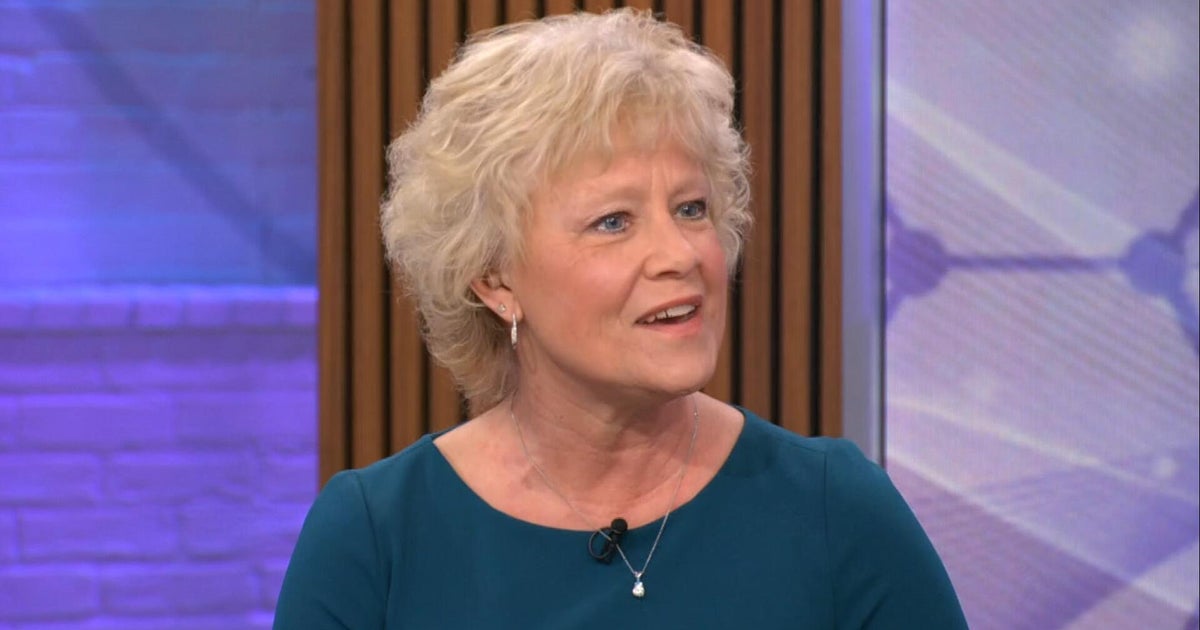
APPLETON, Wis. — In a poignant segment aired on CBS News, an ovarian cancer survivor opened up about her journey of resilience and hope, crediting clinical trials with providing a lifeline during her battle against the disease. The report, titled "Ovarian cancer survivor on finding hope through cancer clinical trials," highlights how investigational treatments accessed through these trials can offer patients new options right from the time of diagnosis. Sponsored by Eli Lilly and Company under the #LillyPartner initiative, the piece underscores the potential of clinical trials in transforming outcomes for those facing ovarian cancer, a malignancy that claims thousands of lives annually in the United States.
Ovarian cancer remains one of the most challenging gynecologic cancers, often diagnosed at advanced stages due to its subtle early symptoms. According to the American Cancer Society, approximately 19,880 women will be diagnosed with ovarian cancer in 2023, with around 12,810 succumbing to the disease. The CBS News video features the survivor's story as a beacon of possibility amid these stark statistics, emphasizing that clinical trials not only provide access to cutting-edge therapies but also contribute to broader medical advancements.
The survivor, whose identity was not specified in the report but whose experience resonates universally, described her initial diagnosis as a devastating blow. "When I was first told I had ovarian cancer, it felt like the world stopped," she reportedly shared in the segment, according to CBS News. This personal narrative serves as the emotional core of the piece, illustrating the fear and uncertainty that accompany such a diagnosis before delving into the hope offered by experimental treatments.
Clinical trials, as explained in the CBS report, allow patients to explore investigational drugs and therapies that may not yet be approved by the Food and Drug Administration. For ovarian cancer patients, these trials often focus on targeted therapies, immunotherapies, and combination treatments aimed at improving survival rates. The #LillyPartner branding in the video points to Eli Lilly's involvement in oncology research, including trials for drugs like mirvetuximab soravtansine, which targets folate receptor alpha—a protein overexpressed in many ovarian cancers.
Experts in the field have long advocated for greater participation in clinical trials, particularly for rare or aggressive cancers like ovarian. Dr. Ursula Matulonis, director of the Gynecologic Oncology Program at Dana-Farber Cancer Institute, has noted in separate interviews that trials can extend life expectancy significantly for some patients. "Clinical trials are not just for the desperate; they represent the forefront of medicine," Matulonis said in a 2022 statement to the New England Journal of Medicine, a perspective echoed in the CBS coverage.
The survivor's path to trials began shortly after her diagnosis, as she sought options beyond standard chemotherapy and surgery. According to the CBS News segment, she enrolled in a trial that combined traditional treatments with a novel agent, leading to remission after months of rigorous monitoring. This outcome, while individual, aligns with data from the National Cancer Institute showing that trial participants often experience better monitoring and access to multidisciplinary care teams.
Beyond the personal story, the report touches on the logistical aspects of joining a trial. Patients must typically meet specific eligibility criteria, such as disease stage and prior treatments, and trials are conducted at designated centers across the country. The CBS piece encourages viewers to discuss options with oncologists early, noting resources like ClinicalTrials.gov, a database listing over 1,000 active ovarian cancer studies as of late 2023.
Challenges persist, however. Advocacy groups like the Ovarian Cancer Research Alliance report that only about 3-5% of cancer patients participate in trials, often due to barriers like travel costs, lack of awareness, or mistrust of experimental interventions. The survivor in the CBS video addressed this hesitancy directly: "I was scared at first, but the trial gave me a sense of control and community," she said, per the report. Her words aim to demystify the process and inspire others.
Eli Lilly's role, as highlighted through the partnership, reflects pharmaceutical companies' growing investment in women's health research. The company has committed over $1 billion to oncology pipelines in recent years, including partnerships with academic institutions for ovarian cancer studies. Critics, however, point to potential conflicts in sponsored content; a 2023 analysis by the Journal of the American Medical Association questioned whether industry-backed media might overemphasize benefits while downplaying risks, though the CBS segment balances this by noting that trials involve rigorous oversight.
Looking at broader context, ovarian cancer awareness has gained traction through events like National Ovarian Cancer Awareness Month in September. Initiatives such as Teal Ribbon Run fundraisers in cities like Appleton have raised local consciousness, with the 2023 event in nearby Green Bay drawing over 500 participants and collecting $50,000 for research. These efforts complement national pushes for better screening, as current methods like CA-125 blood tests and transvaginal ultrasounds detect only about 50% of cases early, according to the Centers for Disease Control and Prevention.
The CBS News video also weaves in the emotional toll of the disease, with the survivor recounting support from family and trial coordinators. "The nurses and doctors became like family; they were there every step," she shared. This human element underscores why stories like hers are vital in encouraging trial enrollment, which the National Institutes of Health estimates could accelerate new approvals by years.
As treatments evolve, ongoing trials are testing PARP inhibitors like olaparib, which have shown promise in BRCA-mutated ovarian cancers, affecting about 15-20% of patients. The survivor's experience, while not detailing her specific mutation, illustrates how personalized medicine is reshaping the landscape. According to a 2023 study in The Lancet Oncology, trial participation has contributed to a modest 1-2% annual decline in ovarian cancer mortality rates since 2010.
Local implications hit home in Appleton, where Fox Valley residents face similar access issues. ThedaCare Regional Medical Center-Neenah has partnered with national trial networks, enrolling a dozen ovarian cancer patients in studies last year. Dr. Sarah Thompson, an oncologist at the center, told The Appleton Times, "We're seeing more women asking about trials after stories like this one; it's encouraging proactive care."
Looking ahead, the future of ovarian cancer treatment hinges on sustained research funding and diversity in trials, which historically underrepresented minorities. The CBS report ends on an optimistic note, with the survivor advocating for others: "If I can find hope, so can you—don't wait to explore your options." This call to action resonates as the medical community pushes for innovative therapies amid stagnant five-year survival rates hovering at 49%.
In summary, the CBS News feature not only spotlights one woman's triumph but also illuminates the critical role of clinical trials in the fight against ovarian cancer. As more survivors share their stories, the hope is that participation will rise, potentially saving lives and paving the way for cures. For those affected, resources abound, from local support groups in Appleton to national databases guiding the next steps in this ongoing battle.