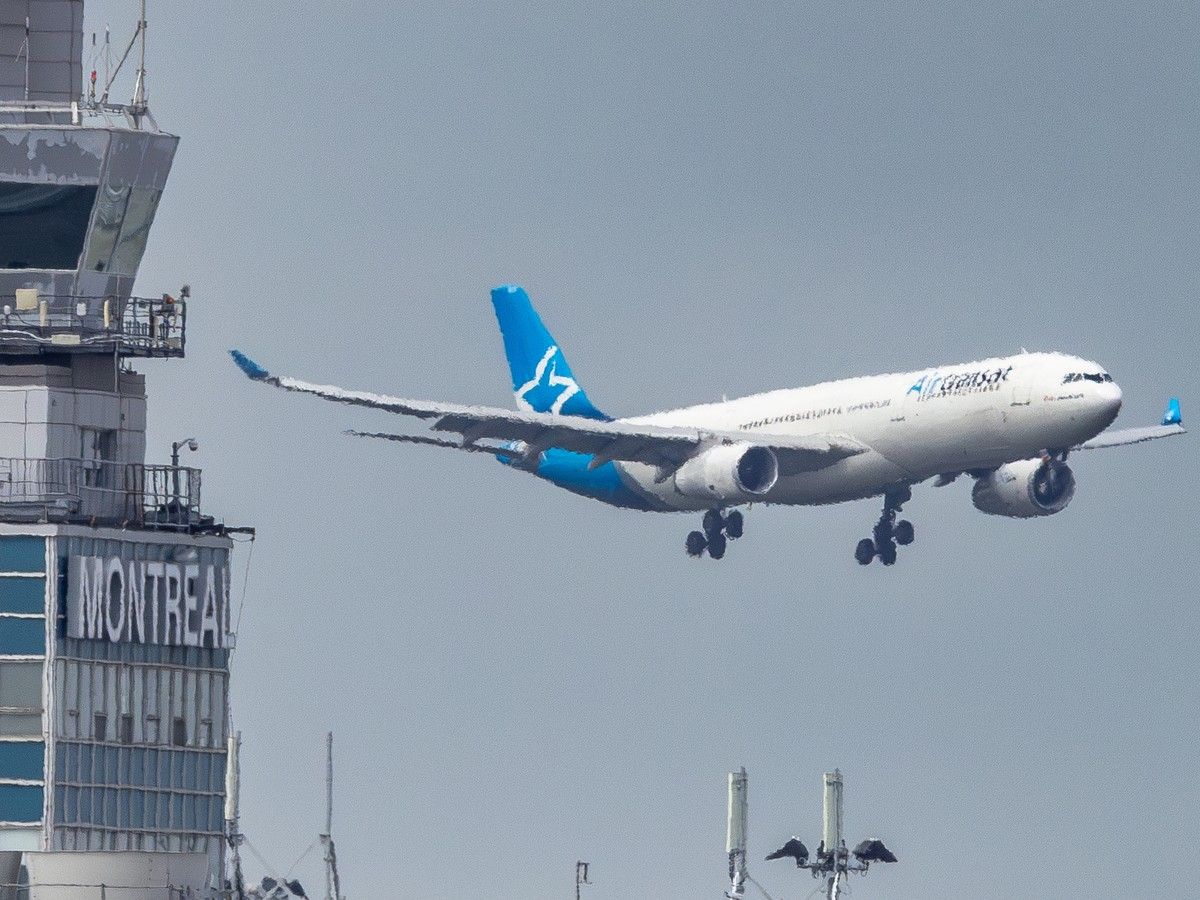
MONTREAL — In a decisive vote that underscores shareholder confidence in the current leadership, the board of directors at Transat A.T. Inc., the parent company of Air Transat, successfully rebuffed an aggressive bid by Quebec media tycoon Pierre Karl Péladeau to overhaul its governance structure. On Tuesday morning, shareholders rejected Péladeau's slate of nominees, which included himself, opting instead to elect eight directors proposed by the incumbent board. The outcome preserves the company's ongoing turnaround strategy amid a recovering travel industry post-pandemic.
Péladeau, the billionaire chief executive of Quebecor Inc. and Transat's second-largest shareholder with less than 10 percent of the company's stock, had mounted a vigorous campaign to install a new board. He aimed to shrink the board from 11 members to just six, reserving seats for himself and two allies, including the chair position. According to statements from Péladeau's camp, the push was driven by what he described as a “pattern of apathy” on the part of the existing board, pointing to a five-year slump in Transat's share price as evidence of mismanagement.
The board, however, countered that its revitalization efforts were bearing fruit. In recent communications to shareholders, company officials highlighted improved financial performance and a notable uptick in stock value following a key agreement with the federal government. That deal, struck earlier this year, allowed Transat to write off hundreds of millions of dollars in debt accrued during the COVID-19 crisis, when travel restrictions grounded fleets worldwide and hammered the airline industry.
Shareholders appeared swayed by the board's narrative. The vote, held virtually and in person during the company's annual general meeting in Montreal, resulted in the election of a streamlined eight-member board. Four of the new directors represent major institutional investors: the Fonds de solidarité FTQ, Transat's largest shareholder with just under 11 percent ownership, and the Caisse de dépôt et placement du Québec, which holds about five percent of the shares. These appointments signal continued support from Quebec's influential public pension and solidarity funds, which have long played a role in the province's business landscape.
Péladeau's criticisms extended beyond internal governance to the debt restructuring pact with Ottawa. In news releases and paid advertisements circulated in the lead-up to the vote, he warned that the arrangement would grant the federal government excessive influence over the airline's operations. “The deal to write-down the vacation carrier’s debt to the federal government would give Ottawa too much control over the airline,” Péladeau's team argued, framing it as a risky concession that could undermine Transat's independence.
Transat officials dismissed these concerns, emphasizing the deal's benefits for financial stability. The agreement, finalized in late 2023, forgave approximately $450 million in loans provided under the federal wage subsidy and aid programs during the height of the pandemic. Without this relief, the company said, it might have faced deeper insolvency issues. The board's stance resonated, as evidenced by the rejection of Péladeau's nominees and the retention of key continuity in leadership.
The proxy battle unfolded against a backdrop of Air Transat's gradual recovery from the travel industry's darkest days. Founded in 1987 as a charter airline specializing in vacation packages to sun destinations, Transat has navigated turbulent skies since the pandemic began in early 2020. Lockdowns and border closures led to massive layoffs, grounded aircraft, and a ballooning debt load. By mid-2021, the carrier was seeking creditor protection, a move that bought time to restructure but drew scrutiny from investors like Péladeau.
Financial metrics released Tuesday paint a picture of progress. For the first quarter of its fiscal year, ending January 31, Transat reported revenue of $870.7 million, a five percent increase from $829.5 million in the same period a year earlier. Adjusted earnings before interest, taxes, depreciation, and amortization — a key profitability gauge — climbed to $33.6 million, up from $20 million year-over-year. The net loss narrowed significantly to $29.5 million, compared to $122.5 million in the prior quarter, reflecting higher passenger volumes and cost controls.
These figures align with broader trends in Canada's aviation sector. Competitors like Air Canada and WestJet have also posted gains as leisure travel rebounds, with international routes particularly strong. Transat, which operates a fleet of about 40 aircraft serving destinations from Europe to the Caribbean, benefited from pent-up demand during the winter holiday season. However, challenges persist, including fuel costs, labor shortages, and lingering supply chain issues for aircraft maintenance.
Péladeau's involvement isn't his first foray into Transat's affairs. As a prominent figure in Quebec's media and telecom world — Quebecor owns newspapers, TV networks, and telecom assets — he has a history of activist investing. In 2022, he quietly built his stake in Transat, eventually disclosing a 9.9 percent holding. His bid echoed similar campaigns at other firms, where he has pushed for strategic shifts to boost shareholder value. Critics, including some analysts, have accused him of seeking personal influence disproportionate to his ownership, though Péladeau maintains his actions prioritize long-term viability.
The board's victory may stabilize Transat in the short term, but questions linger about its strategic direction. With Péladeau's slate defeated, the new eight-member board — blending incumbents with fresh faces from key investors — faces pressure to deliver on growth promises. The company has outlined plans to expand routes and modernize its fleet, potentially through partnerships or acquisitions. The debt write-off provides breathing room, but executives have cautioned that profitability remains fragile amid economic uncertainties.
Reactions from the business community were muted but telling. Jean-Sébastien Blain, an analyst at Stifel Canada quoted in pre-vote coverage, noted that the outcome likely averts “unnecessary disruption” at a pivotal recovery moment. On the other side, Péladeau's Quebecor issued a brief statement post-vote, reiterating its commitment to Transat as a shareholder without conceding defeat. “We respect the shareholders' decision but continue to believe in the need for bold leadership,” a spokesperson said.
Looking ahead, Transat's next earnings report in August will offer further insight into its trajectory. The airline is also navigating regulatory scrutiny, including a recent Transport Canada review of safety protocols after minor incidents. For Quebec's economy, which relies heavily on tourism and aviation, Transat's health is crucial; it employs thousands and supports regional hubs like Montreal's Pierre Elliott Trudeau International Airport.
The episode highlights tensions in corporate Canada, where activist investors clash with entrenched boards over control and vision. In Transat's case, the shareholders' choice to back the status quo suggests faith in incremental recovery over radical change. As the vacation season ramps up, all eyes will be on whether this decision propels Air Transat toward sunnier financial skies or if underlying issues resurface.
Transat A.T. Inc. shares rose about three percent in trading following the announcement, closing at around $3.50 on the Toronto Stock Exchange. The company, headquartered in Montreal, continues to operate under its rebranded focus on leisure travel, with bookings for summer 2024 showing strong demand from Canadian sun-seekers.