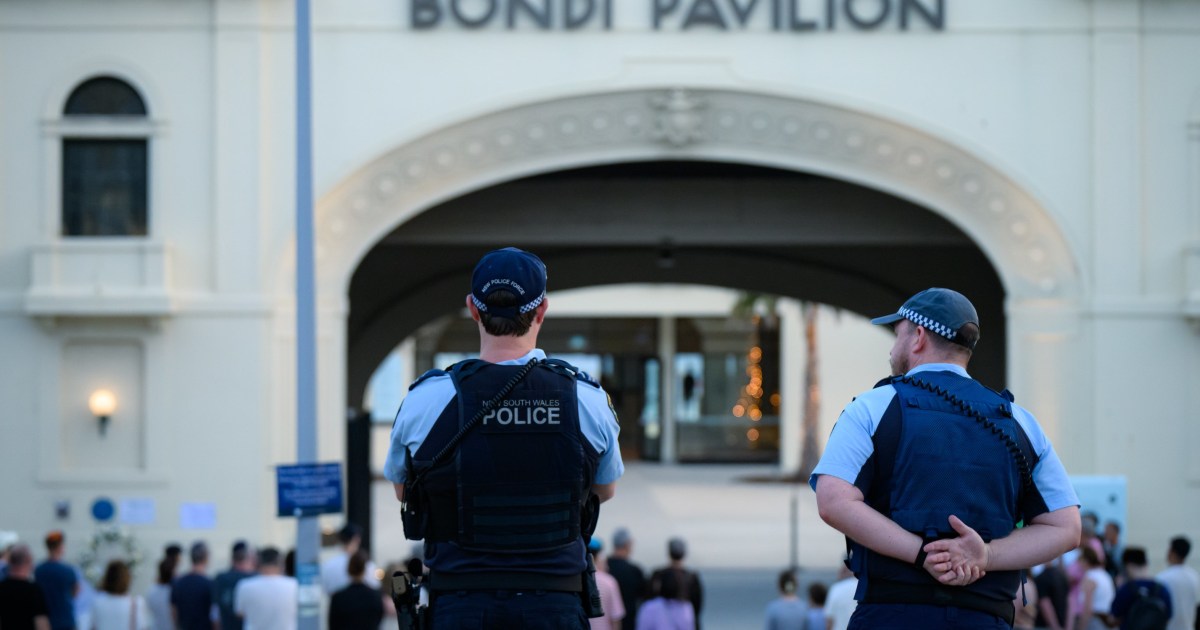
PERTH, Australia — Australian authorities have arrested a 39-year-old man accused of posting antisemitic messages online celebrating a deadly mass shooting at Bondi Beach, uncovering a cache of ammunition and materials linked to potential explosives at his home.
Martin Thomas Glynn, a resident of a Perth suburb in Western Australia, appeared in court on Wednesday following his arrest the previous day. He faces three charges, including one for carrying a prohibited weapon, according to police statements presented in the Perth Magistrates Court. The case comes amid heightened national concerns over gun violence and hate speech, just weeks after the Bondi Beach incident that claimed 15 lives.
The Bondi Beach shooting occurred on December 14 during a Hanukkah celebration at the iconic Sydney location. Two gunmen opened fire, killing 15 people in what authorities have described as the worst mass shooting in Australia in three decades. Hours after the attack, Glynn allegedly took to social media to express support for the perpetrators, police told the court.
In one Instagram post, Glynn wrote, “I just want to say that I, Martin Glynn, 100 per cent support the New South Wales shooters,” according to the police statement of facts. In another post, he stated he had “no sympathy for any casualties,” referencing Palestinians killed by Israel in the Gaza Strip, investigators alleged.
Police executed a search warrant at Glynn's suburban home on Tuesday, where they discovered several items raising alarms. Among the findings were flags associated with Hamas and Lebanon's Hezbollah militant groups, six lawfully acquired rifles, and approximately 4,000 rounds of ammunition, police said. Investigators also uncovered notes referencing Adolf Hitler and the Holocaust, as well as images depicting methods to produce smoke bombs and improvised initiators made from shaved aluminum, materials used in manufacturing explosives.
Further, authorities found what they described as a "shopping list" consistent with items needed to make bombs, though none of those specific materials were present at the residence, the court was told. Glynn had access to open-source information on explosive production, adding to the concerns outlined in the police affidavit.
Representing himself in court, Glynn offered a defense centered on his personal views and preparations. He explained that he owned "50 different types" of flags, which were stored in a box and not on display. Glynn attributed his online comments to becoming "very opinionated" amid Israel's ongoing war in Gaza, saying he aimed to "raise the hypocrisy" in global responses to the conflict.
The broader context of the Gaza war provides backdrop to Glynn's stated motivations. The conflict escalated following Hamas's attacks on October 7, 2023, which killed nearly 1,200 people in Israel and resulted in 251 individuals being taken hostage. Israel's subsequent military response in the Gaza Strip has led to more than 70,000 Palestinian deaths, according to reports from international health organizations and news outlets.
Glynn maintained that he had no intention of harming anyone, describing himself as a "doomsday prepper." He claimed the fire starters found in his home were simply matches wrapped for use in a backyard fire pit. "I am not a violent person," he told the magistrate.
The presiding magistrate acknowledged the nuances in Glynn's position during the hearing. "There is nothing illegal or necessarily improper with supporting the Palestinian cause," the magistrate said. However, the court emphasized boundaries, stating, "What is not proper is posting online comments supporting a massacre of innocent civilians."
Glynn's arrest coincides with swift governmental actions in response to the Bondi tragedy. On the same day as his detention, the government of New South Wales — Australia's most populous state — proposed reforms to tighten gun ownership laws and impose a ban on street protests for up to three months. These measures aim to curb potential unrest and enhance public safety following the shooting.
Prime Minister Anthony Albanese addressed the incident in a statement posted on Instagram Wednesday, underscoring Australia's stance against division. "There is no place in Australia for antisemitism, hate and violent ideologies," Albanese said, reflecting broader efforts to restore security in a nation shaken by recent violence.
The discoveries at Glynn's home have intensified discussions on domestic extremism and online radicalization. While police have not linked him directly to any planned attacks, the combination of weaponry, ideological symbols, and explosive-related materials has prompted a thorough investigation. Authorities emphasized that the rifles were legally obtained, but the prohibited weapon charge stems from other items seized.
As Australia grapples with the aftermath of the Bondi shooting, Glynn's case highlights tensions at the intersection of international conflicts and local expressions of support. The magistrate denied bail, citing risks associated with the evidence presented. Glynn is scheduled to appear in court again on February 3.
The incident serves as a reminder of Australia's strict post-1996 gun laws, which were further reinforced after events like the Port Arthur massacre. Yet, the persistence of such discoveries underscores ongoing challenges in monitoring online hate and preparatory activities. Community leaders in Perth have called for increased vigilance, while civil liberties groups stress the importance of balancing security with free speech protections.
With the nation entering a period of proposed legislative changes, the Glynn case may influence public discourse on how to address expressions of support for violence without infringing on legitimate political debate. As investigations continue, authorities remain focused on preventing any escalation of threats in the wake of national trauma.