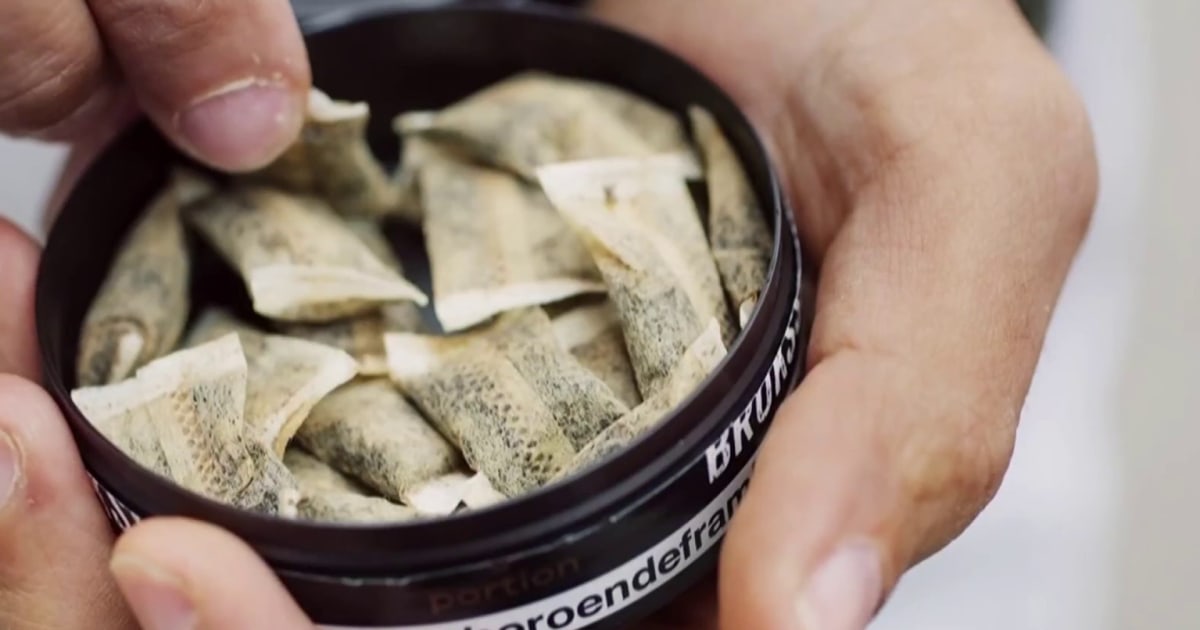
In a bold move to combat the rising popularity of smokeless nicotine products, the Truth Initiative has launched a nationwide ad campaign targeting oral nicotine pouches, spotlighting their potential health risks to young users. The campaign, which debuted this week, features stark visuals and messaging aimed at raising awareness about the addictive nature of these products, particularly among teenagers and young adults. According to the Truth Initiative, a Washington, D.C.-based nonprofit focused on tobacco control, the pouches—small, discreet packets placed between the lip and gum—pose a hidden danger by delivering high doses of nicotine without the stigma of smoking.
The ads, which began airing on social media platforms and streaming services on October 10, 2023, emphasize how these products are marketed with flavors like mint and citrus to appeal to youth. 'These pouches are the new gateway to addiction,' said Robin Koval, president and CEO of the Truth Initiative, in a statement released alongside the campaign launch. The organization points to data from the Centers for Disease Control and Prevention (CDC) indicating that nicotine pouch use among high school students has surged by over 500% in recent years, from less than 1% in 2019 to more than 4% in 2023.
At the heart of the campaign is a series of short videos and digital graphics that depict everyday scenarios where young people encounter the products, such as at parties or school events. One prominent ad shows a teenager discreetly using a pouch during class, with a voiceover warning, 'It might look harmless, but nicotine hooks you fast.' The Truth Initiative collaborated with creative agency BBDO New York to produce the content, drawing on research from their own studies and federal health agencies to underscore the risks of nicotine exposure during brain development.
Nicotine pouches, branded under names like Zyn and On!, have exploded in popularity since their introduction in the U.S. market around 2014. Sales reached an estimated $2.5 billion in 2022, according to Nielsen data cited by the Truth Initiative. The products are often sold in convenience stores and online, with packaging that resembles mints or gum, making them easy to conceal. Public health experts, including those from the Food and Drug Administration (FDA), have expressed concerns that this accessibility could undermine decades of progress in reducing youth tobacco use.
The Truth Initiative's campaign comes amid growing regulatory scrutiny. In September 2023, the FDA authorized the marketing of 20 Zyn products but warned that flavored varieties could still attract minors. However, the agency has not approved marketing claims that the pouches help adult smokers quit, a point of contention with manufacturers. 'We're not against harm reduction for adults, but these products are being aggressively pushed toward kids,' Koval added in an interview with NBC News.
Industry representatives have pushed back against the campaign's portrayal. A spokesperson for Swedish Match, the maker of Zyn, stated, 'Our products are intended for adult smokers seeking alternatives to cigarettes, and we strictly enforce age restrictions.' The company highlighted that Zyn pouches contain no tobacco leaf, positioning them as a cleaner option compared to traditional smokeless products. Sales figures support their growth: Zyn alone accounted for 70% of the U.S. nicotine pouch market in 2023, per industry reports.
To provide broader context, the rise of nicotine pouches follows a decline in cigarette smoking but an uptick in alternative nicotine delivery systems, including e-cigarettes and vapes. The Truth Initiative's efforts build on their long history of anti-tobacco advocacy, which dates back to the 2000 Master Settlement Agreement between states and tobacco companies. That agreement funded the organization, which has since spent millions on youth-targeted campaigns like the iconic 'Truth' ads in the early 2000s that helped reduce teen smoking rates by nearly two-thirds.
Experts in public health applaud the new initiative but call for stronger action. Dr. Yvonne Green, a pediatric pulmonologist at Johns Hopkins Medicine, noted, 'Nicotine is highly addictive and can impair adolescent brain development, leading to issues with attention and impulse control.' Her comments align with a 2022 study published in the Journal of the American Medical Association, which found that youth nicotine users are three times more likely to experiment with other substances.
The campaign's rollout coincides with National Youth Anti-Tobacco Month in October, amplifying its reach through partnerships with schools and youth organizations. In pilot screenings held in Chicago and Los Angeles last month, focus groups of teens reported the ads as 'eye-opening' and effective in sparking discussions about hidden addictions. The Truth Initiative plans to track engagement metrics, aiming for 50 million impressions in the first quarter.
Critics from the vaping and tobacco harm reduction community argue that the campaign overlooks potential benefits. Allen Carrier, executive director of the Consumer Advocates for Smoke-Free Alternatives Association, said, 'Demonizing all nicotine products ignores how pouches help smokers switch away from combustible tobacco.' He referenced European data where oral nicotine has contributed to smoking cessation rates above 20% in some countries.
Regulatory bodies are watching closely. The FDA's recent actions include proposing flavor bans on cartridges for e-cigarettes, and similar measures could extend to pouches. Meanwhile, state attorneys general in California and New York have launched investigations into marketing practices, alleging violations of youth protection laws. As of October 15, 2023, at least five lawsuits against pouch manufacturers are pending in federal courts.
The broader implications of this campaign extend to the ongoing battle against Big Tobacco's evolution. Once focused on cigarettes, the industry now diversifies into 'reduced-risk' products, prompting nonprofits like the Truth Initiative to adapt their strategies. With youth e-cigarette use stabilizing after peaking in 2019, pouches represent the next frontier, according to a CDC report released last week.
Looking ahead, the Truth Initiative has allocated $10 million for the campaign through 2024, including grassroots efforts in high-use areas like the Midwest and Southeast. Officials say they will monitor sales data and youth surveys to measure impact. If successful, it could influence policy, much like previous efforts that led to the 2009 Tobacco Control Act.
In Appleton, Wisconsin, local health departments are echoing the national message. The county's youth tobacco prevention coordinator, Sarah Jenkins, reported a 15% increase in pouch inquiries at school clinics this semester. 'We're seeing these products everywhere, from gas stations to social media influencers,' Jenkins said. Community workshops are planned for November to educate parents and teens.
As the ad blitz continues, it underscores a pivotal moment in public health: balancing innovation in nicotine delivery with safeguards for the vulnerable. Whether the campaign sways user behavior or prompts tougher regulations remains to be seen, but it has already ignited a national conversation on the subtle creep of addiction in modern lifestyles.