LONDON — Pregnant women and cancer patients in the United Kingdom are facing potentially life-threatening delays in receiving essential ultrasound scans due to a severe shortage of sonographers, according to experts from the Society of Radiographers.
The vacancy rate for sonographers stands at 24.2% across England, with some regions experiencing even higher shortfalls, including 38.2% in the South East, the organization reported in its latest census. This crisis is compounded by the fact that one in every 13 sonographers, or 7.6%, plans to retire within the next year, further straining an already overburdened workforce.
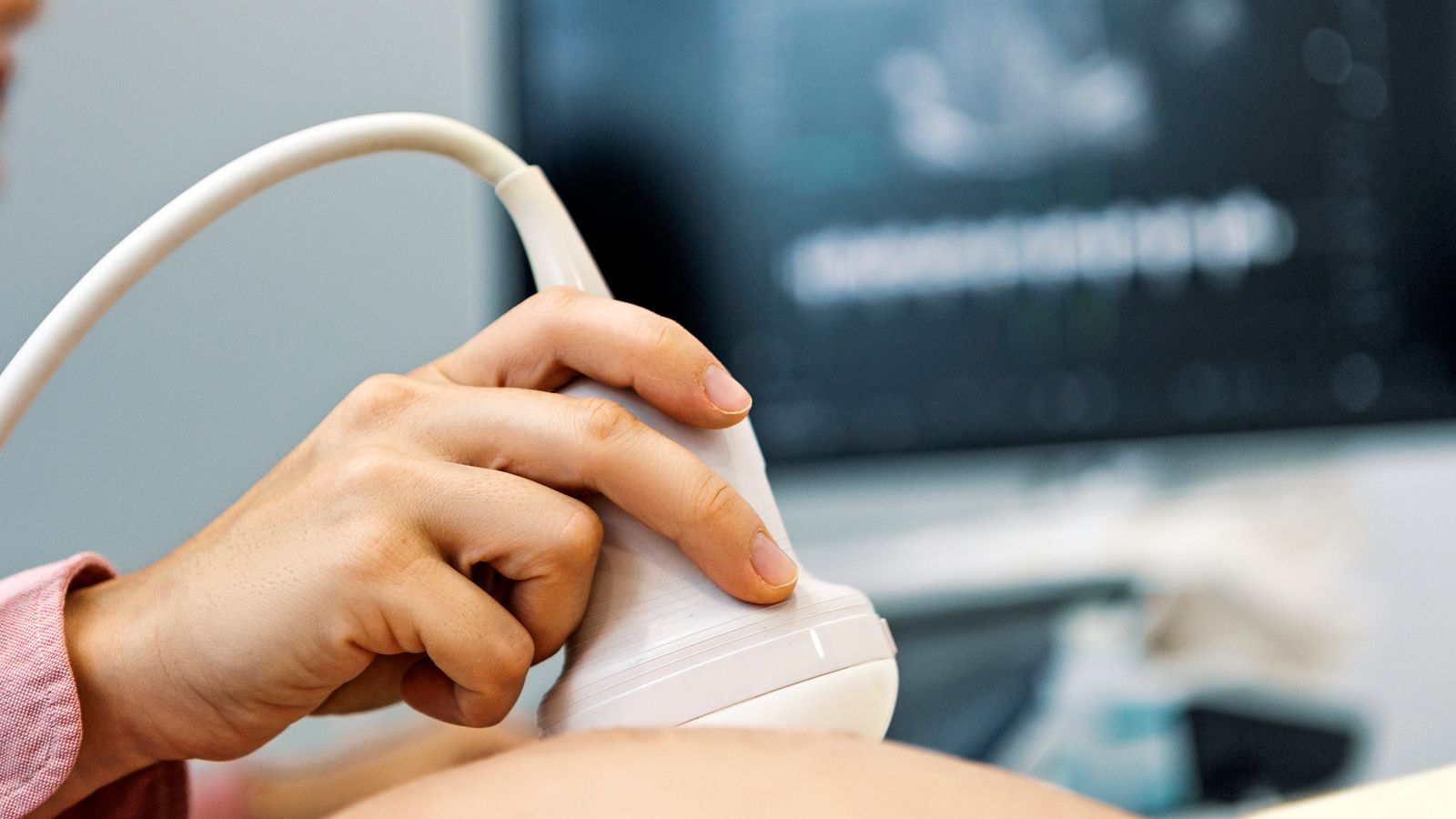
Sonographers perform ultrasound scans that are crucial for monitoring fetal development during pregnancy and for initial cancer diagnostics. Expectant mothers typically receive scans at 12 weeks and 20 weeks of gestation to check for abnormalities and assess growth. However, with staffing shortages, hospitals are struggling to meet these timelines, leading to knock-on effects for more urgent procedures.
"Hospitals try their very best to get the three-month and five-month antenatal screening scans done on time," said Katie Thompson, president of the Society of Radiographers and a practicing sonographer herself. "But when there aren't enough staff, prioritising those scans has a knock-on effect on more urgent later foetal growth scans, which in some cases need to be done within 24 or 36 hours."
Thompson explained that departments often resort to pulling sonographers from other services to maintain antenatal care, which comes at the expense of those other areas. "Departments end up struggling to fit in patients who need these emergency scans," she added, highlighting the ripple effects across healthcare delivery.
Beyond maternity services, ultrasound plays a pivotal role in oncology. It is frequently the first-line investigation for suspected cancers and is used for ongoing monitoring after treatment. "The government's recent cancer plan spoke about increasing testing and reducing waiting lists," Thompson noted. "But sonography is one of the beginning points for people being diagnosed with cancer. With the current workforce shortfall, it's going to be very, very hard to decrease waiting times."
She warned that delays in detection could directly impact patient outcomes. "And if cancers aren't picked up when they should be, that can have an effect on the patient's outcome," Thompson said, underscoring the urgency of addressing the shortages.
The geographic disparities are stark. In the South East of England, nearly two in five sonographer positions remain vacant, while London faces a 34.6% shortfall. The North West reports 30% vacancies, and the North East and Yorkshire have a comparatively lower rate of 11%, according to the Society of Radiographers' data.
Training new sonographers is not a quick fix, as the process takes considerable time. "Training new sonographers takes quite a while, so increasing numbers can't be done very quickly," Thompson explained. She pointed out that the declining numbers indicate a long-standing failure to match training output with rising demand.
This shortage threatens to undermine broader government initiatives aimed at improving healthcare access. The UK's National Health Service (NHS) has ambitious plans, including the recent cancer strategy and an anticipated workforce plan, to expand diagnostic capabilities. However, Thompson cautioned that without sufficient staff, these efforts could falter. "You can't say that you're going to invest in all these new scanners and open all these community diagnostic centres unless you've thought about the professionals who are going to conduct the scans and provide patient care," she said.
The Society of Radiographers' census, which forms the basis of these findings, was conducted amid growing concerns over NHS staffing across various specialties. Sonography, in particular, has seen persistent vacancies for years, exacerbated by an aging workforce and post-pandemic burnout. The 7.6% retirement rate projected for the coming year could worsen the situation if recruitment does not accelerate.
In response to the shortages, hospitals have implemented temporary measures, such as reallocating staff and extending hours in some diagnostic centers. Yet, experts argue these are bandaids on a deeper systemic issue. The role of ultrasound in healthcare cannot be overstated; it is non-invasive, cost-effective, and essential for early intervention in both obstetric and oncologic cases.
A Department of Health and Social Care spokesperson acknowledged the pressures on diagnostic services. "We recognise the pressures facing diagnostic services, including the sonography workforce, and we are taking action to ensure the NHS has the skilled staff it needs to meet rising demand and deliver timely care to patients," the spokesperson said.
The government has already expanded community diagnostic centers and broadened opening hours to alleviate hospital burdens, keeping care closer to patients' homes. "We have already taken action to expand services for patients, rolling out new community diagnostic centres and expanding opening hours, keeping patients away from busy hospitals and cared for in their local communities," the spokesperson added.
While these steps signal intent, critics like Thompson emphasize that workforce planning must take precedence. The implications extend beyond individual patients; delayed diagnoses could lead to higher treatment costs and poorer health outcomes on a national scale. As the NHS navigates recovery from the COVID-19 pandemic, addressing sonographer shortages will be critical to fulfilling promises of faster cancer detection and safer pregnancies.
Looking ahead, the forthcoming NHS workforce plan is expected to outline strategies for recruitment and retention in diagnostics. Stakeholders, including the Society of Radiographers, are calling for increased funding for training programs and incentives to attract new talent to the field. Without swift action, the risks to vulnerable patients will only grow, potentially reversing gains in maternal and cancer care.