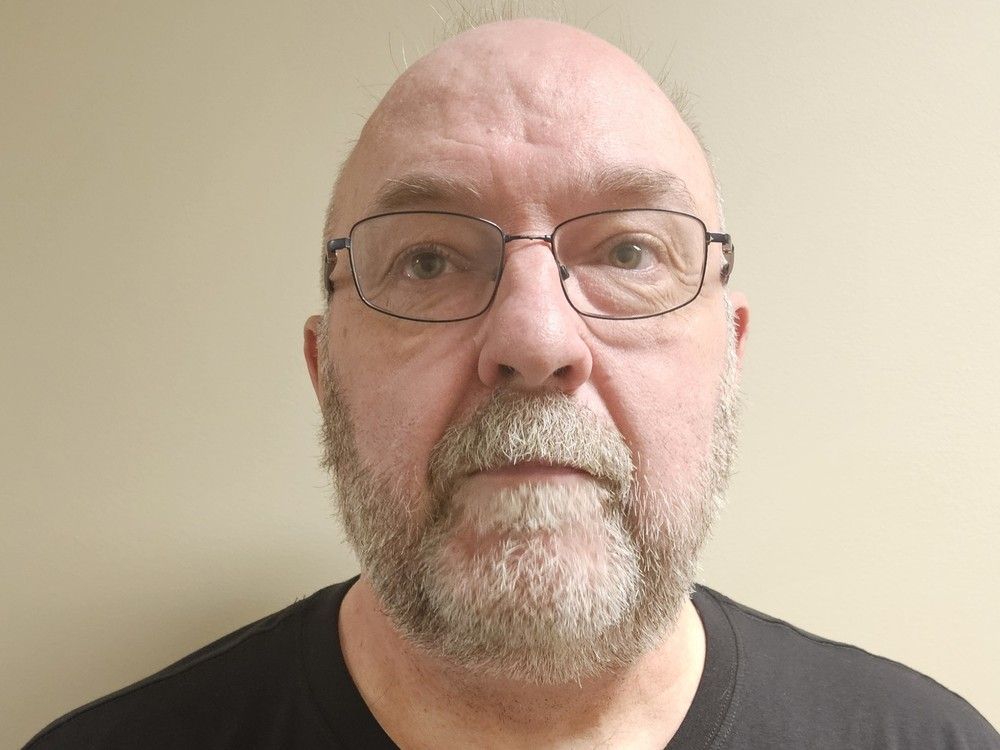
VANCOUVER, B.C. — A notorious sex offender with a decades-long history of violations has been hit with fresh charges after breaching his strict release conditions just weeks after his latest stint behind bars, authorities said.
Shaun Deacon, 60, was arrested on December 25, 2025, following a Canada-wide warrant issued by the Vancouver Police Department. According to the VPD, the investigation led to charges being sworn by the B.C. Prosecution Service on March 18, including breach of a long-term supervision order, breach of a Section 161 prohibition order, and mischief under $5,000. Deacon, who remains in custody, had been residing in a halfway house for male federal offenders in downtown Vancouver at the time of the alleged breaches.
The latest incident marks at least the eighth time Deacon has violated his conditions since his initial convictions in the 1980s, according to police records. He was released from custody in October 2025 after serving time for a previous breach, but reportedly lasted only about a month before running afoul of the rules again last fall.
Deacon's criminal history dates back over four decades. In the 1980s, he was sentenced to seven years in prison for sexually assaulting four young children: a 5-year-old girl and three boys under the age of 13, court documents show. While awaiting sentencing in Kelowna, B.C., he allegedly abducted one of his prior victims and assaulted the child again, leading to additional jail time.
By the 1990s, Deacon had racked up two more convictions for sexual offenses, further solidifying his status as a repeat predator. Since then, his pattern of breaches has been relentless. In one notable case from 2001, he was caught with a 10-year-old boy in his room at the halfway house. Another violation involved possession of a laptop containing child pornography, highlighting his repeated attempts to circumvent restrictions on technology.
As a designated long-term offender by a provincial court judge, Deacon faces stringent lifelong prohibitions. These include bans on attending public parks, pools, schools, or community centers where children 14 or younger might be present. He is also forbidden from communicating with anyone under 16, possessing weapons, or owning any electronic devices capable of internet access, data storage, or connecting to computer networks.
The Vancouver Police Department issued a public warning upon his October 2025 release, urging vigilance in the community. "Deacon has a history of targeting children and has repeatedly failed to comply with court-ordered conditions," the VPD stated in its alert, emphasizing the risks posed by his presence in the downtown area.
Details of the most recent breaches remain under investigation, but police reports indicate they occurred while Deacon was under supervision at the halfway house. The mischief charge, typically involving minor property damage, suggests possible interference with monitoring equipment or other supervised items, though specifics have not been publicly disclosed.
Deacon's case underscores the challenges of managing high-risk offenders in the community. Long-term supervision orders, designed for individuals deemed likely to reoffend, aim to balance public safety with rehabilitation. However, Deacon's track record has tested the system's limits, with multiple revocations of his freedom over the years.
Community advocates and legal experts have long called for stricter oversight in such cases. While the VPD has not released victim impact statements related to the new charges, past reports from the 1980s and 1990s paint a grim picture of the trauma inflicted on his young victims. One historical account described the abduction incident as particularly brazen, occurring right under the shadow of impending sentencing.
The B.C. Prosecution Service has not commented on the upcoming court proceedings, but Deacon's next appearance is scheduled in Vancouver Provincial Court. If convicted on the new charges, he could face additional prison time, potentially extending his supervision indefinitely.
This is not the first time Deacon's releases have sparked public concern. In 2001, following the halfway house incident, residents near the facility expressed fears for child safety, leading to temporary heightened patrols by police. Similar worries resurfaced last fall, with the VPD's warning prompting neighborhood watch groups to distribute flyers in affected areas.
Broader data from Corrections Canada shows that long-term offenders like Deacon represent a small but persistent challenge. According to federal statistics, breach rates for sex offenders under supervision hover around 20-30% annually, often involving contact violations or unauthorized technology use. Experts attribute this to the difficulties of reintegration for those with entrenched patterns of behavior.
As Deacon's case proceeds through the courts, it serves as a reminder of the ongoing need for robust community safeguards. The VPD continues to monitor similar high-risk individuals, encouraging tips from the public via anonymous lines. For now, with Deacon back in custody, downtown Vancouver breathes a cautious sigh of relief, though his history suggests the story is far from over.
The implications extend beyond one man. Advocacy groups for child protection have pushed for legislative reforms, including expanded use of electronic monitoring and AI-driven risk assessments. While no such changes are directly tied to Deacon's case, his repeated violations fuel the debate on whether current measures are sufficient to prevent harm.
Looking ahead, the outcome of these charges could influence sentencing guidelines for long-term offenders in B.C. Prosecutors may seek to designate additional restrictions, while defense arguments could focus on rehabilitation efforts during his incarcerations. Whatever the resolution, the case highlights the delicate balance between punishment, prevention, and second chances in Canada's justice system.