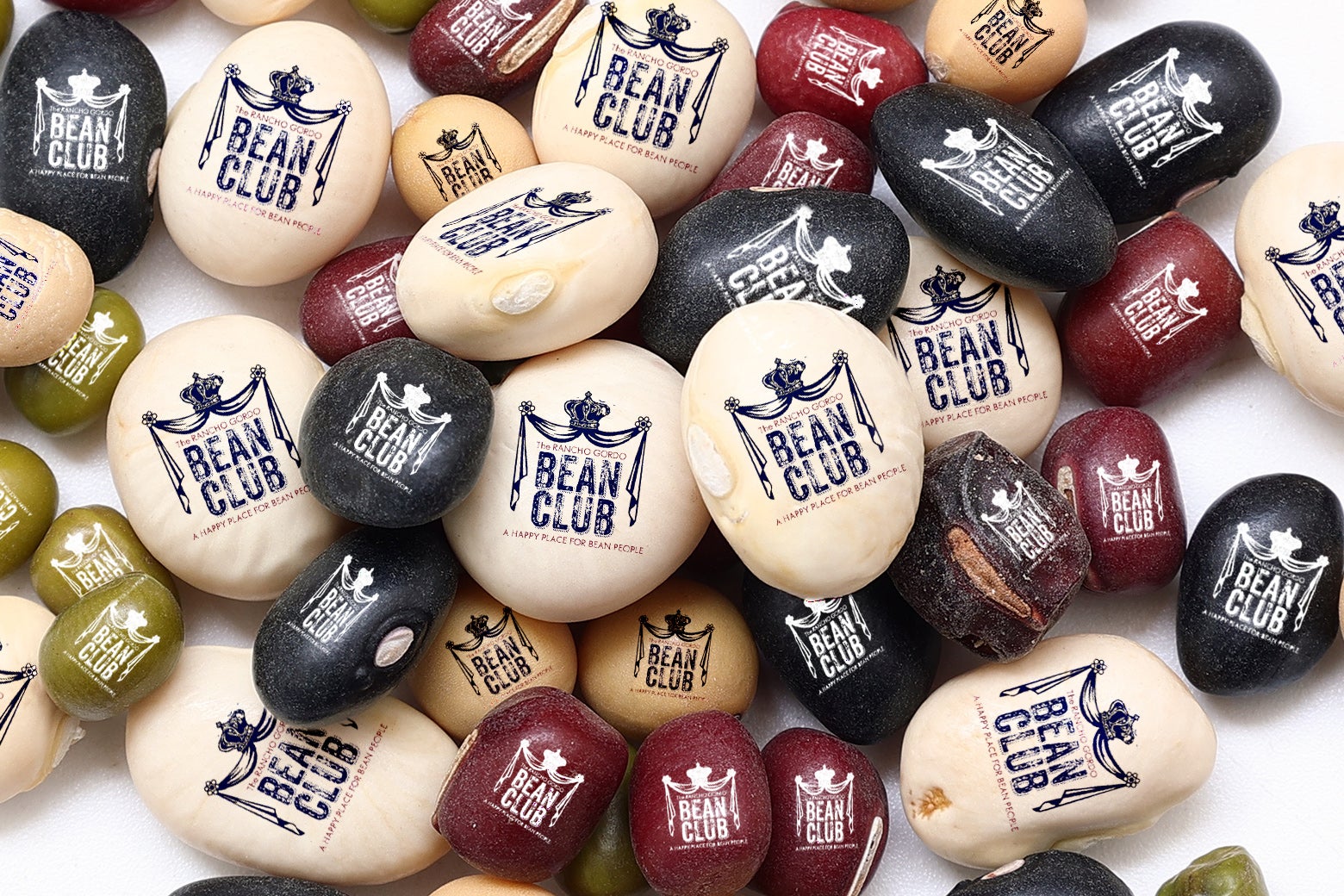
In the competitive world of heirloom beans, a seemingly innocuous phrase has sparked a legal skirmish among California-based companies. Rancho Gordo, a popular producer of specialty beans, has sent cease-and-desist letters to competitors using the term "bean club," claiming it as a registered trademark. The dispute highlights the growing tensions over generic food-related terms in the marketplace, where companies seek to protect their branding amid rising popularity of niche products.
Foodocracy, another California company specializing in heirloom beans and grains, received one such letter recently. According to the correspondence, which began with a friendly "Hello fellow bean lover!", Rancho Gordo asserted that Foodocracy's "Heirloom Beans + Grains Club" infringed on their trademark for "bean club." A New York-based firm, Buttermilk Bean, reportedly received a similar notice, prompting questions about the enforceability of such broad claims.
Rancho Gordo, founded by Steve Sando, has built a devoted following for its rare bean varieties, shipping them directly to customers. The company's Bean Club boasts 30,000 members, with an additional 35,000 people on a waitlist eager to join. This exclusivity has fueled its success, but it has also led to aggressive protection of the club's name, even as critics argue the phrase is too commonplace to own exclusively.
Trademark attorney Josh Gerben, who specializes in intellectual property law, expressed skepticism about the strength of Rancho Gordo's claim. "The idea is that a name would ‘acquire distinctiveness,’ meaning it has a certain amount of penetration in the marketplace," Gerben explained. "So that people understand, like in this case, that Rancho is behind the idea of this bean club. They hear ‘bean club’ and go, ‘Oh, that’s Rancho’s thing.’ "
However, Gerben questioned whether "bean club" truly meets that threshold. "How else would you describe a group of people that want to talk about beans?" he said jokingly. "I think if somebody wanted to make a run at canceling this trademark, they’d have a pretty good case." His comments underscore the challenges of trademarking descriptive terms in the food industry, where innovation often revolves around everyday ingredients.
This incident is not isolated; it reflects a broader trend of disputes over generic food concepts. In the 2010s, sandwich chain Subway attempted multiple times to trademark "footlong" for its 12-inch subs, but the U.S. Trademark Trial and Appeal Board rejected the efforts, deeming it a widely used, generic term. Ironically, Subway later faced class-action lawsuits alleging that its footlong sandwiches measured less than 12 inches, with plaintiffs using rulers to measure the shortfall.
Other cases have succeeded where specificity played a role. Candy maker Hershey's secured a trademark for the distinctive orange shade used on Reese's Peanut Butter Cups, protecting a visual element tied closely to the brand. In contrast, electronics company Philips held a trademark for "airfryer" for several years, but widespread adoption by competitors turned the term into a generic descriptor for a category of oil-free cooking appliances, leading to its invalidation.
Gerben noted the inherent limitations of such protections. "Even if you invent a category, you’re often not able to own the generic term for that category," he said, "because presumably you’re going to have competitors, and they’re going to need to use that to identify what they’re offering." This principle aims to prevent monopolies on basic language, ensuring fair competition in evolving markets like specialty foods.
One of the most high-profile battles involved the phrase "Taco Tuesday." For 34 years, Taco John's held trademarks in 49 states, while Gregory's Restaurant and Bar in New Jersey owned it for over 40 years in the remaining state. The promotions became a staple in Mexican fast food, but in 2023, Taco Bell challenged the claims before the U.S. Patent and Trademark Office, arguing that "Taco Tuesday should be freely available to all who make, sell, eat and celebrate tacos."
Basketball star LeBron James amplified the campaign on social media, posting in support of freeing the term. Faced with the potential costs of litigation against Taco Bell's deep pockets—fueled by sales of items like the Burrito Supreme—both Taco John's and Gregory's ultimately abandoned their trademarks. The case illustrated how cultural ubiquity can dilute even long-standing protections, leaving the phrase open for general use.
The U.S. Patent and Trademark Office remains cautious about approving overly descriptive marks to avoid systemic gridlock. Approving too many vague terms could allow companies to sue over basic industry descriptors, such as a hypothetical "Food Store" claiming ownership of selling groceries. Yet, some generic-sounding trademarks do endure if they gain sufficient brand association.
Brand anthropologist and History Channel contributor Jason Liebig pointed to "Cookie Dough Bites" as an example of a successful mark in the snack world. "Cookie Dough Bites is a great mark, and it’s interesting as it was part of the early adoption and craze for cookie dough as a product in and of itself," Liebig said. The product's owners frequently issue cease-and-desist letters because competitors assume the term is generic, forcing alternatives like "Cookie Dough Poppers" or "Cookie Dough Snips" for similar items.
Rancho Gordo's Steve Sando defended the trademark in an interview with Today.com, comparing it to established brands. "People say, ‘Oh, bean club is too common.’ Well, so is Home Depot; so is Waffle House. When those were started, they were super unique," Sando argued. He emphasized the club's role in popularizing heirloom beans, which trace their cultivation back to the seventh millennium BCE, distinguishing them from more modern staples like waffles.
The dispute raises questions about the future of branding in the artisanal food sector, where subscription clubs for niche products—from beans to grains—are proliferating. As waitlists grow and competition intensifies, companies may increasingly turn to intellectual property law to carve out market share. Legal experts like Gerben predict more challenges to descriptive trademarks, potentially leading to cancellations if challengers pursue court battles.
For now, the bean club controversy serves as a cautionary tale for food entrepreneurs. While Rancho Gordo maintains its stance, affected companies like Foodocracy and Buttermilk Bean are navigating the fallout, possibly rebranding to avoid prolonged conflict. The outcome could influence how generic terms are policed in the industry, balancing innovation with fair access to language that describes emerging trends.
As the heirloom bean market continues to expand—driven by interest in sustainable, diverse agriculture—these fights underscore the delicate interplay between creativity and commerce. Whether "bean club" joins the ranks of freed phrases like "Taco Tuesday" remains to be seen, but it has already drawn attention to the quirks of trademark law in America's culinary landscape.