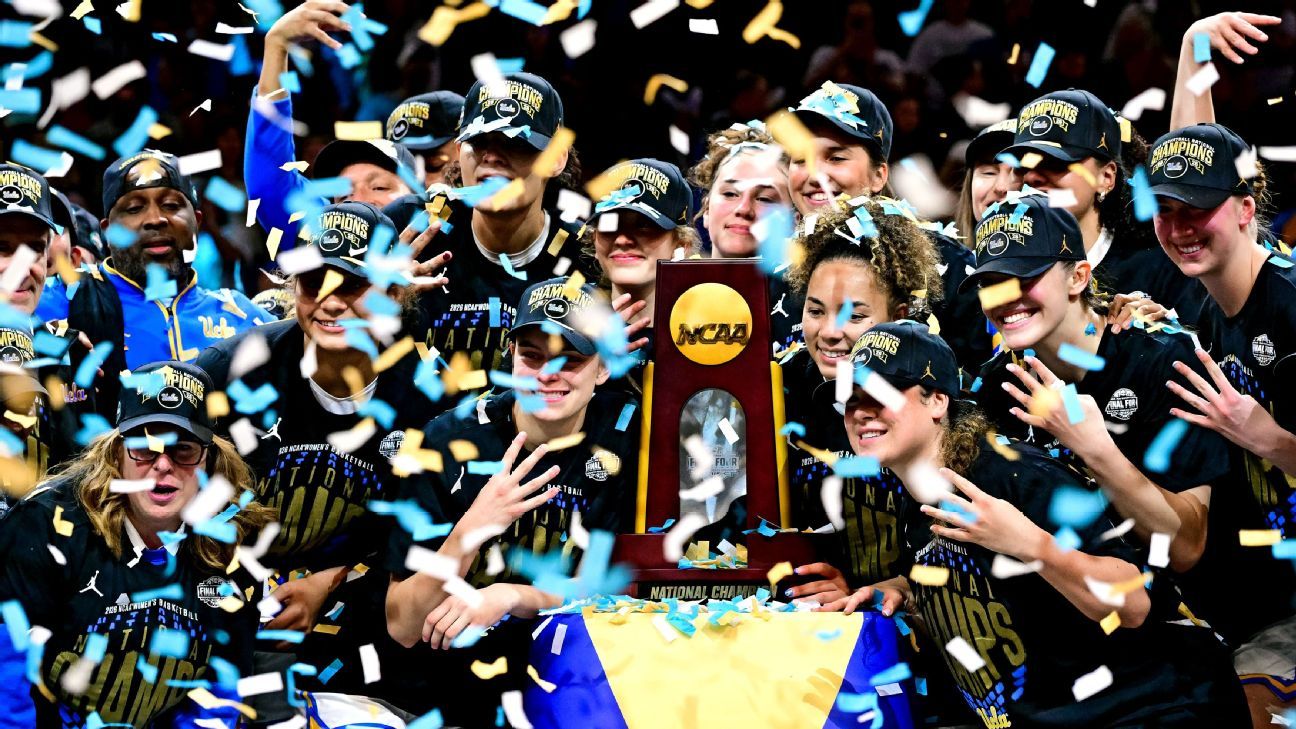
As confetti rained down on the courts in Phoenix and Indianapolis, the 2026 NCAA March Madness tournament drew to a close with a mix of triumph and reflection. UCLA claimed its first-ever women's national championship on Sunday, dominating South Carolina 79-51 in a decisive victory that capped an exhilarating Final Four weekend. The men's side promises one more chapter, with either Michigan or UConn set to be crowned champion on Monday night in Indianapolis, potentially joining the Bruins in the history books.
The tournament, often called the greatest spectacle in college sports, delivered a 2026 edition unlike any other, according to ESPN reports. From the opening rounds in various host cities across the country to the high-stakes finales, March Madness 2026 was defined by a series of upsets, communication breakdowns on the court, and critical late-game errors that kept fans on the edge of their seats. "March Madness produced plenty of stunning moments that defined the 2026 edition of the college basketball masterpiece, setting it apart from other NCAA tournaments in past years," ESPN noted in a recap of the event's highlights.
For the women's tournament, UCLA's path to glory was a story of resilience and precision. Seeded highly after a strong Pacific-12 Conference season, the Bruins navigated a bracket filled with formidable opponents, culminating in their rout of South Carolina. The game, played under the bright lights of the State Farm Stadium in Glendale, Arizona—part of the Phoenix metropolitan area—saw UCLA's guards orchestrate a clinic in ball movement, leading to open looks that dismantled the Gamecocks' defense. South Carolina, the defending champions from 2025, struggled from the tip, shooting under 35% from the field, as per official box scores.
"It was a dominant performance from start to finish," said UCLA head coach Cori Close in post-game remarks, emphasizing the team's preparation. Close, who has led the program since 2018, highlighted the significance of the win: "This is for every Bruin who dreamed of this moment. We've waited a long time." The victory marked UCLA's 11th national title across all sports in the past decade, underscoring the university's athletic prowess in Los Angeles.
On the men's side, the drama has been even more intense, with Michigan and UConn advancing to the championship game after grueling semifinal battles. Michigan, powered by a balanced attack led by forward Hunter Dickinson's double-double performances throughout the tournament, upset top-seeded Duke in the Elite Eight. UConn, the two-time defending champions, relied on their signature full-court press to wear down opponents, including a narrow escape against Purdue in the Final Four.
The men's Final Four took place at Lucas Oil Stadium in Indianapolis, a venue that has hosted the event multiple times since 2011. Temperatures inside the arena hovered around 70 degrees, but the atmosphere was electric, with over 70,000 fans creating a roar that echoed through the city. ESPN photographers captured the tension in the final seconds of UConn's semifinal win, where a potential game-tying three-pointer by Purdue's star shooter rimmed out, sealing the Huskies' advancement.
Throughout the tournament, upsets were the order of the day, shaking brackets nationwide. In the second round, 13th-seeded Charleston stunned fourth-seeded Virginia 68-65 on a buzzer-beater layup, a moment frozen in time by sideline lenses showing the disbelief on Virginia's bench. "These kinds of games are what make March Madness magical," said Charleston coach Brett Dupree after the upset. "Our kids believed when no one else did." Such Cinderella stories echoed the 2018 run by Loyola Chicago, providing underdogs with a platform to shine.
Miscommunications and late-game mistakes added layers of unpredictability. In the Sweet 16, top-seeded North Carolina faltered against Alabama due to a botched inbound play with 12 seconds left, allowing the Crimson Tide to steal a 72-70 victory. Alabama coach Nate Oats attributed the win to preparation: "We drilled those scenarios endlessly. Their mistake was our opportunity." Officials reviewed the play for nearly three minutes, but the call stood, drawing criticism from Tar Heels fans who claimed interference.
Nail-biting finishes were plentiful, often decided by mere inches. A standout was the Round of 32 clash between Kentucky and Tennessee, where a half-court heave by Kentucky's guard banked in at the buzzer for a 78-77 win. ESPN's coverage described it as "inches away from a bracket buster," with photographers capturing the ball's improbable arc. Kentucky coach John Calipari later reflected, "That's March Madness—pure chaos and joy in equal measure."
Fans, too, stole the spotlight with their unbridled energy. In Indianapolis, a group of Michigan supporters known as the "Wolverine Pack" painted their faces blue and maize, leading chants that drowned out the PA system during timeouts. One viral moment involved a UConn fan in a Huskies jersey who predicted the team's semifinal outcome on a jumbotron interview: "We're built for this pressure," the fan exclaimed, a clip that garnered millions of views online.
The role of photographers in preserving these instants cannot be overstated. Courtside lenses from ESPN and other outlets documented the sweat, the celebrations, and the heartbreak. Kacy Burdette, a veteran sports photographer, contributed key images to ESPN's retrospective, including a shot of UCLA's jubilant huddle after their championship clincher. "These moments are fleeting, but the photos make them eternal," Burdette said in an interview tied to the report.
Background context reveals how 2026's tournament evolved from its roots. The NCAA, founded in 1906, expanded March Madness to 68 teams in 2011, amplifying the chaos. This year, amid ongoing debates over name, image, and likeness (NIL) rights for athletes, players like UConn's Tristen Newton voiced support for better compensation, adding an off-court narrative. "We're grateful for the exposure, but fairness matters," Newton told reporters after a win.
Disagreements among analysts highlighted the tournament's subjective appeal. While ESPN praised the upsets as innovative, some traditionalists on CBS Sports argued that officiating inconsistencies marred the product. "The refs let too much go," said CBS analyst Jay Bilas, contrasting ESPN's focus on excitement. No major conflicts arose in official results, however, with the NCAA confirming all scores and advancements.
Looking ahead, the 2026 champions will inspire the next generation. UCLA's win boosts recruiting in Westwood, while the men's victor—whether Michigan ending a title drought since 1989 or UConn extending their dynasty—shapes conference realignments. The tournament's economic impact, generating over $1 billion in revenue, underscores its cultural footprint, from office pools to national broadcasts.
As the hardwood quiets in Phoenix and Indianapolis, March Madness 2026 leaves a legacy of frozen moments and unforgettable drama. Fans and players alike will revisit these highlights, thanks to the lenses that captured it all, ensuring the tournament's magic endures beyond the final buzzer.