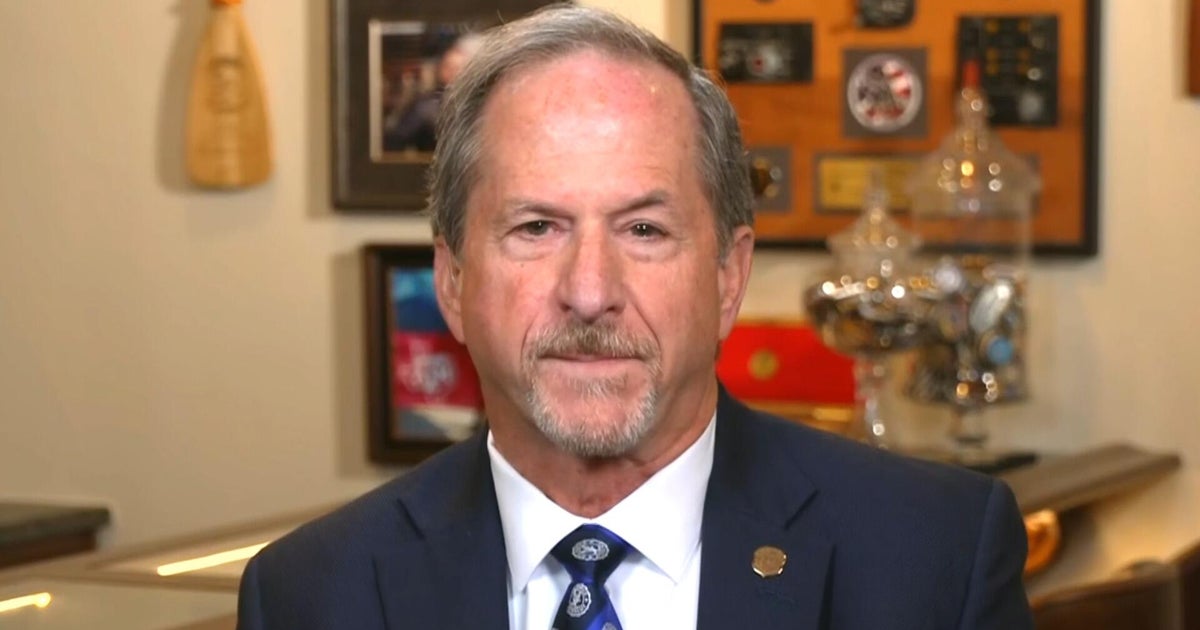
APPLETON, Wis. — Retired Air Force Gen. David Goldfein, a highly decorated veteran who once led the U.S. Air Force as its chief of staff, shared poignant reflections this week on the swift rescue of two U.S. airmen following a mid-air collision during a training exercise over the California desert. In an interview with CBS Mornings, Goldfein drew parallels to his own harrowing experience 24 years earlier, when his F-16 fighter jet was shot down over Serbia during the NATO bombing campaign in Kosovo.
The recent incident occurred on September 12, 2023, when two F-35 Lightning II jets from the 388th Fighter Wing at Hill Air Force Base in Utah collided shortly after takeoff from Nellis Air Force Base near Las Vegas. According to Air Force officials, the pilots ejected safely and were quickly recovered by a combat search and rescue (CSAR) team using HH-60 Pave Hawk helicopters. One airman suffered minor injuries, while the other was treated for shock but released the same day. The collision, which investigators attributed to a possible communication error during a routine formation flight, grounded the squadron for 48 hours pending a full review.
Goldfein, who retired in 2020 after a 37-year career, spoke emotionally about the rescue operation during his CBS appearance on Wednesday. "When I heard about those pilots being pulled out so fast, it hit me hard," he said. "Back in '99, I was the one waiting for that helicopter, wondering if it would come in time. These guys got their second chance quicker than I could have imagined." His words underscored the advancements in rescue technology and training since his own survival ordeal.
The 1999 shootdown remains one of the most dramatic chapters in Goldfein's military history. On June 2 of that year, as part of Operation Allied Force, Goldfein's F-16C Fighting Falcon was struck by a surface-to-air missile fired from a Serbian SA-3 system near the town of Novi Sad. The 37-year-old pilot, then a lieutenant colonel, ejected at 15,000 feet and parachuted into hostile territory, where he evaded capture by Serbian forces for nearly eight hours. "I hid in a ravine, listening to the radios crackle, knowing my wingman was out there looking for me," Goldfein recounted in the interview. A U.S. Air Force Pararescue team, inserted under heavy fire, eventually extracted him via helicopter, marking a successful CSAR mission amid the 78-day air campaign.
That rescue, codenamed Operation Guardian Angel, involved more than 100 personnel and highlighted the risks faced by CSAR units. Goldfein credited the pararescue jumpers, known as PJs, with saving his life. "Those guys are the tip of the spear in the most dangerous job in the military," he said. "They train for years to do what they did for me—and now for these young pilots in California." The general's experience also influenced his later policies as Air Force chief, where he advocated for enhanced rescue capabilities, including the adoption of new CV-22 Osprey tiltrotor aircraft for faster extractions.
Air Force Secretary Frank Kendall praised the recent rescue in a statement released Thursday, calling it "a testament to the professionalism and readiness of our airmen." Kendall noted that the F-35 program, despite the mishap, continues to be a cornerstone of U.S. air superiority, with over 900 jets in service worldwide. However, aviation safety experts have raised concerns about the uptick in training accidents. According to a Government Accountability Office report from earlier this year, the Air Force experienced 12 Class A mishaps—incidents causing death or over $2 million in damage—between 2020 and 2022, compared to eight in the prior three years.
Goldfein addressed these broader safety issues during the CBS segment, emphasizing the pressures of maintaining a high-tempo training schedule amid global commitments. "We're flying more complex missions in contested environments, from the Pacific to the Middle East," he explained. "Accidents happen, but each one teaches us how to get better. The key is learning fast without losing lives." He pointed to simulations and virtual reality training as tools that have reduced real-world risks by 30% since 2015, based on Pentagon data.
The retired general's reflections come at a time when the U.S. military is grappling with recruitment shortfalls and budget constraints. The Air Force missed its enlistment goals by 20% last year, prompting leaders to highlight success stories like the California rescue to attract talent. Goldfein, who now serves on the board of several defense contractors, including Lockheed Martin—the maker of the F-35—urged young Americans to consider service. "The bonds you form in the cockpit, the way a team pulls you through the darkest moments— that's what it's all about," he said.
Historical context adds depth to Goldfein's story. The 1999 Kosovo campaign, authorized by President Bill Clinton, aimed to halt ethnic cleansing by Yugoslav forces under Slobodan Milosevic. NATO pilots flew 38,000 sorties, but losses were rare; Goldfein's was one of only two U.S. aircraft downed during the operation. The other involved a stealth F-117 Nighthawk, whose wreckage provided Serbia with advanced radar technology. Serbian officials at the time claimed to have used modified equipment to target Goldfein's jet, a boast that remains disputed by U.S. analysts.
In the years since, Goldfein rose through the ranks, commanding operations in Iraq and Afghanistan before becoming the first Jewish four-star general in Air Force history. His 2020 retirement ceremony at Joint Base Andrews was attended by Defense Secretary Mark Esper, who lauded his leadership during the drawdown in Syria. Today, Goldfein speaks frequently at veterans' events, using his experiences to advocate for mental health support for pilots dealing with post-traumatic stress.
The California incident has sparked discussions within the defense community about the balance between aggressive training and safety. Col. Michelle L. Turner, commander of the 388th Fighter Wing, told reporters Friday that the squadron would resume flights by early next week after implementing new checklist protocols. "Our pilots are the best in the world, and this event reinforces why we drill relentlessly," she said. Meanwhile, the National Transportation Safety Board has opened an independent probe, focusing on potential mechanical factors in the F-35s, which cost $80 million each.
Goldfein's interview also touched on geopolitical tensions, drawing a line from his Balkan experience to current flashpoints. "The threats haven't gone away—they've evolved," he noted, referencing China's growing air force and Russia's actions in Ukraine. He praised the integration of unmanned drones into rescue operations, which could further minimize risks for human crews. According to a 2023 RAND Corporation study, such technologies could cut CSAR response times by up to 40% in denied-access areas.
As investigations continue into the September collision, the Air Force has emphasized transparency. Spokesperson Maj. Gen. Alex G. Quinlan said in a briefing that preliminary findings point to human error rather than equipment failure, though full results are expected in 60 days. Families of the rescued airmen expressed relief in statements to local media, with one pilot's spouse saying, "We're just grateful for the team that brought him home safe."
Goldfein's personal narrative serves as a bridge between past and present, reminding observers of the human element in military aviation. His survival in 1999, against odds estimated at 50-50 by rescue coordinators, inspired a generation of airmen. Now, as he watches from afar, he sees progress but warns against complacency. "Every rescue is a victory, but it's the preparation that makes it possible," he concluded in the CBS interview.
Looking ahead, the Pentagon plans to invest $2.5 billion in CSAR enhancements over the next five years, including upgrades to the HH-60 fleet. For Goldfein and veterans like him, these developments offer hope that future pilots will face fewer of the uncertainties he endured. As the Air Force navigates an era of great power competition, stories like these underscore the enduring value of courage and camaraderie in the skies.