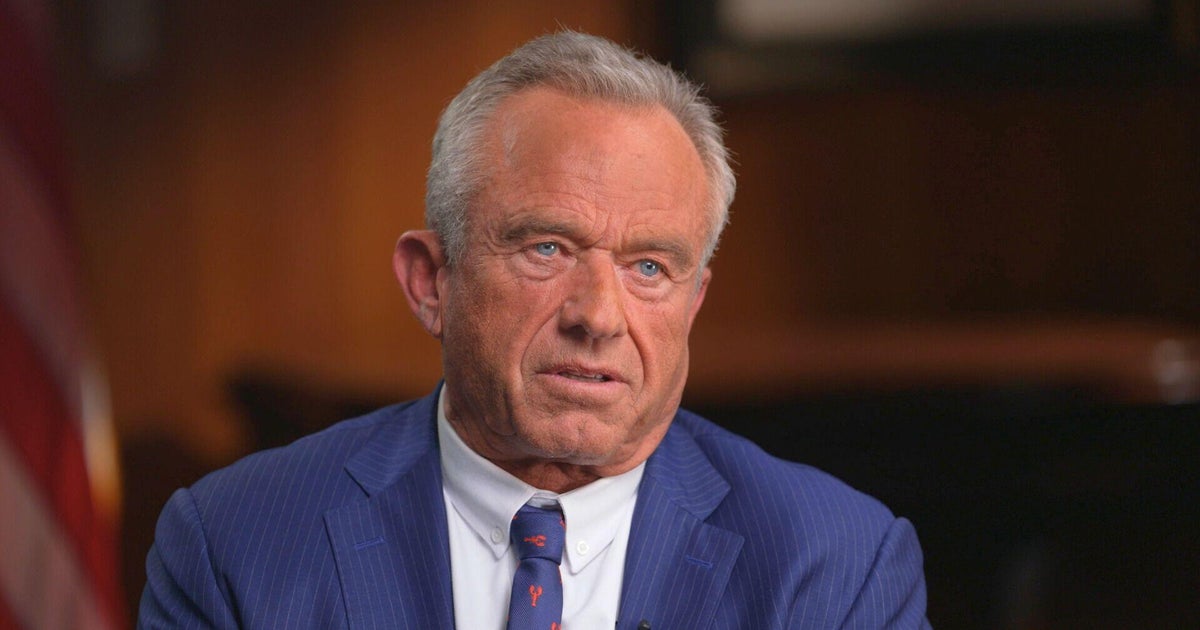
In a bold move as part of his "Make America Healthy Again" initiative, Health and Human Services Secretary Robert F. Kennedy Jr. has publicly challenged Dunkin' and Starbucks to provide evidence that their high-sugar coffee drinks are safe for teenagers. Speaking late last month, Kennedy questioned the health impacts of beverages loaded with excessive sugar, specifically calling out an iced coffee with 115 grams of sugar as potentially harmful for a teenage girl. He suggested that the Trump administration might impose limits on such drinks if the companies cannot substantiate their safety.
Kennedy's remarks, delivered during a public address, underscore a growing push within the federal government to address ultra-processed foods and beverages amid rising concerns over obesity and related health issues. "We're gonna ask Dunkin Donuts and Starbucks, show us the safety data that show that it's OK for a teenage girl to drink an iced coffee with 115 grams of sugar in it. I don't think they're gonna be able to do it," Kennedy stated, emphasizing the need for scientific backing to justify the sugar content in popular menu items.
The challenge comes at a time when federal dietary guidelines, updated earlier this year by the Department of Health and Human Services and the U.S. Department of Agriculture, recommend that meals contain no more than 10 grams of added sugar. According to data from Dunkin', nearly every drink on its menu surpasses this threshold, with at least six options exceeding 100 grams of sugar per serving. Starbucks offerings, while not detailed in the same report, similarly feature sweetened beverages that often pack significant sugar loads, such as lattes and frappuccinos popular among younger consumers.
Massachusetts Governor Maura Healey, whose state is home to Dunkin's headquarters in Canton, fired back at Kennedy on the social media platform X. She posted a defiant message reading "COME AND TAKE IT," accompanied by an image of a steaming Dunkin' cup, signaling resistance to any federal overreach on local business favorites. Healey's response highlights the tension between national health policy and regional economic interests, as Dunkin' remains a cultural staple in New England.
Experts have weighed in on the broader implications of Kennedy's initiative. CBS News medical contributor Dr. Céline Gounder stressed that the issue transcends individual brands. "This isn't about any one brand. Ultra-processed foods and beverages are bad for you, regardless of who happens to sell them," Gounder said. She likened sugary drinks to "liquid candy," advising that they should not be everyday choices, especially for children and teens.
Research supports the concerns raised by Kennedy and Gounder. According to the Centers for Disease Control and Prevention, frequent consumption of sugary drinks is linked to a host of health problems, including weight gain, obesity, type 2 diabetes, heart disease, non-alcoholic liver disease, tooth decay, and cavities. These associations have fueled public health campaigns worldwide, with studies showing that measures like taxes on sugary beverages and graphic warning labels can effectively reduce consumption rates.
However, Gounder cautioned that a outright federal ban on high-sugar drinks is improbable under current laws. "It's gonna require either new legislation and regulation, or state and local governments stepping in where they can," she explained. She added, "The FDA is not the sugar police and it can't ban sugar from beverages," pointing to the agency's limited authority over food additives and labeling.
The Department of Health and Human Services has already taken steps to bolster oversight in this area. Officials said the agency has strengthened its reviews of food safety data and closed regulatory loopholes that previously allowed certain high-sugar products to evade scrutiny. Yet, the department provided no specifics on potential actions against Dunkin' or Starbucks, leaving open questions about whether Kennedy's challenge will lead to investigations, labeling requirements, or other interventions.
Neither Dunkin' nor Starbucks has issued a formal response to Kennedy's comments as of Thursday. In a possible nod to the ongoing debate, Dunkin' announced the launch of a new zero-sugar energy drink available in six flavors, including berry and citrus options. The product, which hit select stores this week, is marketed as a healthier alternative for customers seeking a caffeine boost without the added sugars.
Kennedy's focus on coffee chains fits into a larger narrative of his tenure at HHS, where he has advocated for reducing exposure to environmental toxins and promoting nutritional reforms. Appointed shortly after President Trump's inauguration earlier this year, Kennedy has drawn on his background as an environmental activist and vaccine skeptic to champion what he calls a "health revolution." His initiative echoes past efforts, such as the Obama-era push for healthier school lunches, but with a sharper emphasis on corporate accountability.
Public reaction has been mixed, with some health advocates praising Kennedy's stance as a necessary wake-up call. "Finally, someone in Washington is taking on Big Food," said one nutritionist in an interview with local media. Others, including business groups, worry about the economic fallout for an industry that employs millions and generates billions in revenue annually. The National Restaurant Association, while not commenting directly on Kennedy's remarks, has previously lobbied against stringent sugar regulations, arguing they could stifle innovation.
State-level responses vary widely. In addition to Healey's pushback, California officials have explored soda taxes that have successfully curbed sales in cities like Berkeley and San Francisco. Meanwhile, southern states with strong ties to the beverage industry, such as Georgia—home to Coca-Cola—have resisted similar measures, citing consumer choice and job preservation.
The timing of Kennedy's comments coincides with back-to-school season, when teens' consumption of sugary drinks often spikes. Data from the CDC indicates that American youth average more than 140 calories daily from sugary beverages, contributing to the nation's obesity epidemic, where over 20% of adolescents are classified as obese. This context amplifies the urgency of Kennedy's call, potentially setting the stage for congressional hearings or FDA guidance updates in the coming months.
Looking ahead, the "Make America Healthy Again" campaign could expand to target other sectors, such as fast food and snack manufacturers. Kennedy has hinted at collaborations with the Department of Agriculture to revise school meal standards further, building on recent changes that limit flavored milks. For Dunkin' and Starbucks, the pressure may prompt menu overhauls, with both chains having introduced low-sugar options in recent years amid consumer demand for wellness-focused products.
As the debate unfolds, it remains unclear whether Kennedy's challenge will result in tangible policy shifts or remain a rhetorical flourish. With no immediate responses from the companies and vague details from HHS, stakeholders on all sides are watching closely. In the meantime, public health experts urge moderation, reminding consumers that small changes—like opting for black coffee or water—can make a significant difference in daily sugar intake.