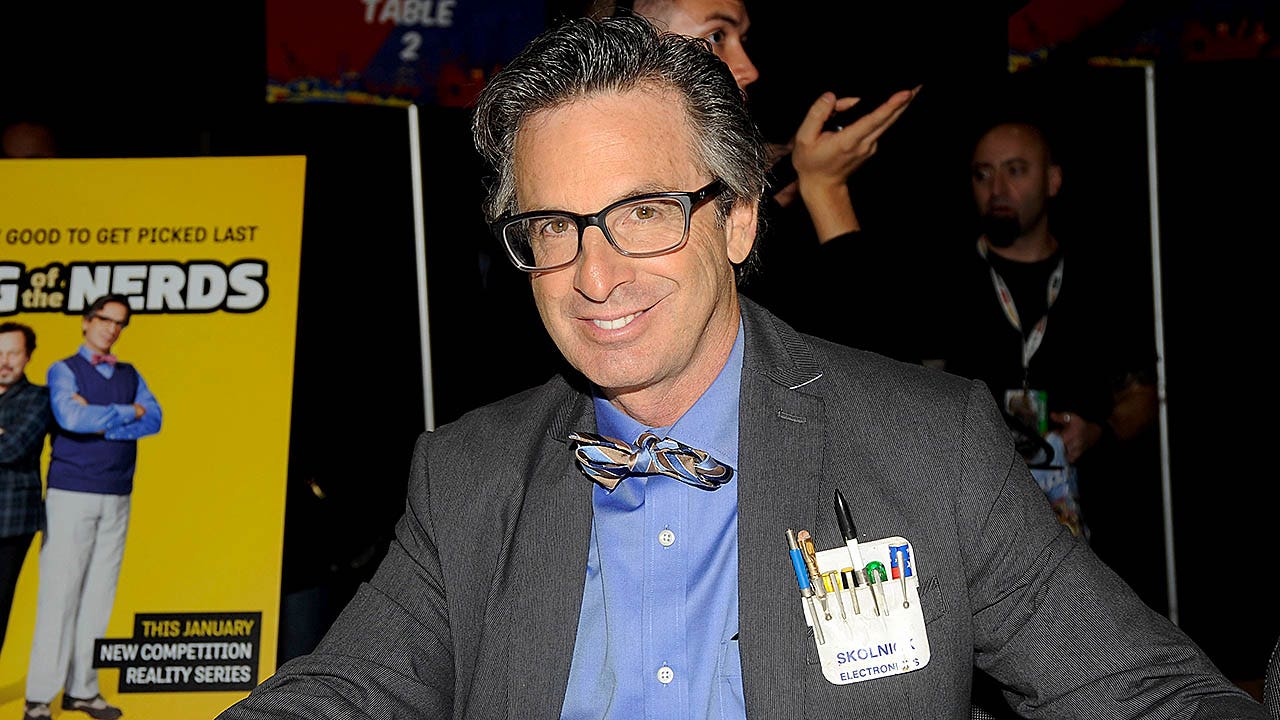
Robert Carradine, the beloved actor best known for his iconic role as the nerdy Lewis Skolnick in the 1984 comedy Revenge of the Nerds, has died at the age of 71, with his cause of death now confirmed as complications from a hanging that led to anoxic brain injury. According to the Los Angeles County Medical Examiner's report, Carradine passed away at a hospital on February 23. The findings, verified by Fox News Digital, list the primary cause as sequelae of anoxic brain injury, with hanging noted as the contributing factor.
The news comes just days after Carradine's family publicly announced his passing in a heartfelt statement shared with Deadline on Monday. "It is with profound sadness that we must share that our beloved father, grandfather, uncle, and brother Robert Carradine has passed away," the family said. They described him as a "beacon of light" in a dark world, emphasizing his long struggle with mental health challenges. The statement highlighted his nearly two-decade battle with bipolar disorder, urging greater awareness to combat the stigma surrounding mental illness.
In a world that can feel so dark, Bobby was always a beacon of light to everyone around him. We are bereft at the loss of this beautiful soul and want to acknowledge Bobby’s valiant struggle against his nearly two-decade battle with Bipolar Disorder. We hope his journey can shine a light and encourage addressing the stigma that attaches to mental illness. At this time we ask for the privacy to grieve this unfathomable loss. With gratitude for your understanding and compassion.
Carradine's death has prompted an outpouring of tributes from fans and colleagues alike, reflecting on his contributions to film and television over more than five decades. Born on March 24, 1954, in Hollywood, California, Carradine came from a storied acting dynasty. He was the son of the late actor John Carradine and the brother of actors David, Keith, and the late Christopher Carradine. His entry into the industry was marked by early appearances that showcased his versatility, from Westerns to gritty dramas.
His career took off in the early 1970s with a role on the long-running television series Bonanza in 1971, where he appeared as a guest star. The following year, at just 18 years old, he made his feature film debut in the John Wayne-led Western The Cowboys, playing one of the young ranch hands who join Wayne's character on a cattle drive. These initial roles established Carradine as a promising talent in an era dominated by traditional Hollywood storytelling.
By the mid-1970s, Carradine had transitioned into more complex characters in critically acclaimed films. He earned praise for his performance in Martin Scorsese's 1973 crime drama Mean Streets, where he portrayed a young man navigating the underworld of New York's Little Italy alongside Harvey Keitel and Robert De Niro. The film, shot on location in gritty neighborhoods, captured the raw energy of the era and helped launch Scorsese's reputation as a master of character-driven narratives.
Carradine's collaboration with acclaimed director Hal Ashby came in 1978 with Coming Home, a poignant anti-war drama starring Jane Fonda and Jon Voight. In the film, set against the backdrop of the Vietnam War, Carradine played a marine whose experiences abroad profoundly affect his relationships back home. The movie received multiple Academy Award nominations, including Best Picture, and underscored Carradine's ability to convey emotional depth in supporting roles.
Another standout in his filmography was Samuel Fuller's 1980 World War II epic The Big Red One, where Carradine starred as a soldier in the 1st Infantry Division, known as the Big Red One. Filmed with a semi-autobiographical lens from Fuller's own wartime experiences, the movie blended intense combat scenes with moments of dark humor. Carradine's portrayal of Pvt. Zab, a wisecracking infantryman, drew from historical accounts of the division's campaigns across North Africa and Europe, from the 1942 Operation Torch to the liberation of concentration camps in 1945.
However, it was his role in Revenge of the Nerds that cemented Carradine's place in pop culture. Released in 1984, the film followed a group of misfit college freshmen who band together to challenge the jock-dominated fraternity system at Adams College. Carradine's Lewis Skolnick became a symbol of underdog triumph, complete with his signature glasses and awkward charm. The movie grossed over $30 million at the box office on a modest budget and spawned three sequels, with Carradine reprising the role each time.
The success of Revenge of the Nerds opened doors for Carradine in family-friendly entertainment. In the early 2000s, he joined the cast of the Disney Channel's hit series Lizzie McGuire, portraying Sam McGuire, the quirky dad to Hilary Duff's titular character. Airing from 2001 to 2004, the show followed the everyday adventures of a middle school girl in California, blending humor with relatable teen issues. Carradine's warm, bumbling father figure endeared him to a new generation of viewers, contributing to the series' syndication success and its 2003 theatrical spin-off.
Beyond these highlights, Carradine maintained a steady presence in television and film throughout his career. He appeared in episodes of popular shows like The Fall Guy and Alfred Hitchcock Presents, and took on voice roles in animated projects. His work often emphasized themes of resilience and camaraderie, mirroring the personal challenges he faced later in life.
The family's statement about Carradine's bipolar disorder has resonated widely, especially in light of ongoing discussions about mental health in Hollywood. According to the National Alliance on Mental Illness, bipolar disorder affects approximately 2.8% of U.S. adults, characterized by extreme mood swings that can lead to significant life disruptions. Carradine's two-decade struggle, as described by his family, underscores the long-term impact of such conditions, particularly when compounded by the pressures of public life.
Experts in mental health advocacy have noted that high-profile cases like this can help destigmatize seeking help. The family's call to action aligns with resources like the Suicide and Crisis Lifeline, available at 988 or 800-273-TALK (8255), which provide 24/7 support for those in crisis. While the medical examiner's report confirms the circumstances of Carradine's death, his loved ones have requested privacy during their grieving process, a sentiment echoed in statements from entertainment outlets covering the story.
As tributes continue to pour in, Carradine's legacy appears secure through his memorable performances that entertained and inspired millions. From the dusty trails of Westerns to the bustling sets of modern comedies, his career spanned genres and generations, leaving an indelible mark on American entertainment. Friends and fans alike remember him not just for his on-screen personas, but for the light he brought to those around him, as his family so poignantly described.
Looking ahead, discussions around Carradine's life may influence broader conversations on mental health support in the industry. Organizations like the Hollywood Mental Health Project have already cited similar tragedies as catalysts for improved access to care. For now, the focus remains on honoring a man whose work brought joy to so many, even as his family navigates this profound loss.