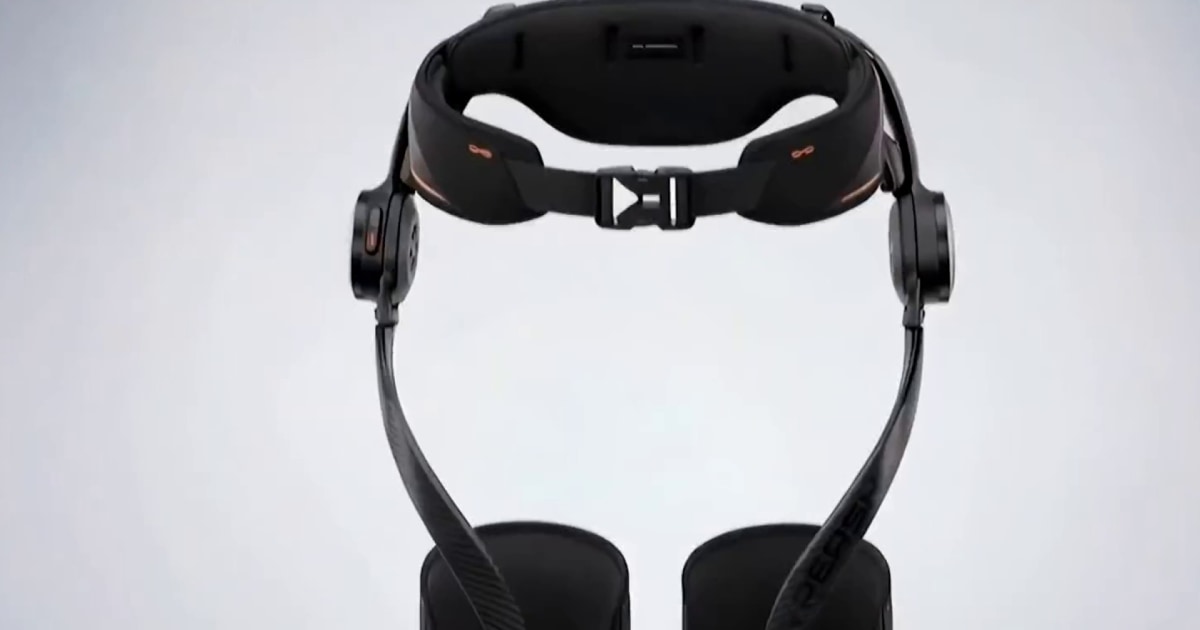
According to a new report from NBC News, wearable robotic exoskeletons are being positioned as tools that could make hikes less strenuous and turn workouts into high-tech experiences. The segment, reported by Ryan Chandler, examines devices designed to enhance endurance during outdoor activities and fitness routines.
The video highlights how these exoskeletons attach to the body and provide mechanical assistance to users. Officials and developers featured in the piece suggest the technology could appeal to hikers tackling difficult trails as well as athletes seeking advanced training methods. Chandler explores whether this gear represents the future of fitness, focusing on practical applications rather than laboratory settings.
Viewers see demonstrations of the equipment in action on trails and in gym environments. The report notes that the devices aim to reduce fatigue and allow longer periods of activity. While specific performance numbers are not detailed in the summary, the emphasis is on real-world usability for everyday users interested in boosting their physical capabilities.
Developers quoted in the NBC News exploration describe the exoskeletons as intuitive to wear and adjust. One perspective presented is that the technology could open up hiking to a broader range of people who might otherwise find certain paths too demanding. Another angle covered involves integration into regular workout regimens for measurable improvements in stamina.
The piece provides context on the growing interest in wearable robotics within the fitness industry. Chandler interviews individuals testing the gear, capturing their initial reactions to the support provided during movement. These accounts reportedly indicate a noticeable difference in effort required for uphill sections or repetitive exercises.
Background on the technology includes its evolution from medical and industrial uses to consumer fitness applications. The report mentions that companies are refining designs to make them lighter and more affordable, though exact pricing or timelines remain unconfirmed in the available coverage.
Multiple viewpoints appear in the segment, with some experts optimistic about widespread adoption and others noting the need for further testing on long-term effects. The NBC News report presents these opinions without endorsing any particular outcome, allowing viewers to consider the potential benefits alongside current limitations.
Locations featured include outdoor hiking areas and indoor training facilities where the exoskeletons were demonstrated. Chandler's exploration ties the devices to broader trends in personal technology that track and enhance physical performance.
According to the report, the promise of easier hikes stems from the exoskeletons' ability to assist with leg movements and posture. For workouts, the high-tech aspect involves sensors that adapt assistance levels based on user input. These features are presented as key selling points for those looking to extend their activity duration.
The segment concludes by questioning how soon such equipment might become common in recreational settings. Chandler leaves the assessment open-ended, focusing on the ongoing development rather than definitive predictions about market success.
Additional details from the NBC News video underscore the visual appeal of the gear during use, showing smooth integration with natural walking and running motions. This approach reportedly helps maintain user comfort over extended periods.