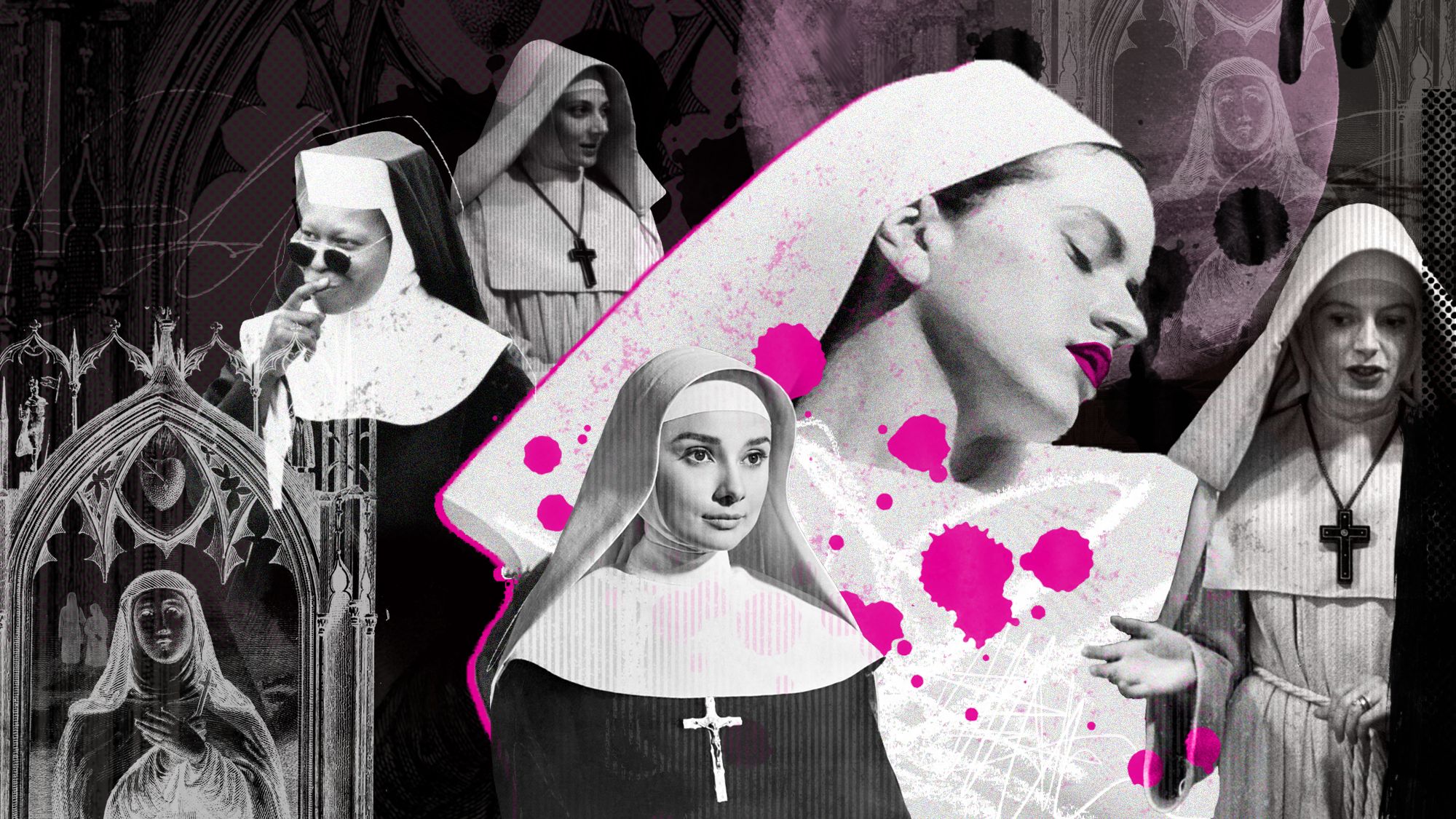
MADRID — Rosalía's latest album, Lux, has ignited a cultural phenomenon in Spain, blending avant-garde music with religious imagery and shattering streaming records in the process. Released earlier this month, the Catalan singer's project features her adorned in a white nun's veil and rosary on the cover, exuding what critics describe as a profound religiosity despite its occasionally explicit lyrics. According to The Times, even the Spanish prime minister and a Catalan bishop have expressed admiration for the album, an unexpected endorsement for an artist known for an ode to the Berlin techno club Berghain.
The album's success was immediate and staggering. Rolling Stone reported that Lux amassed more than 42 million streams on Spotify in just one day, breaking the platform's record for a female Spanish-language artist. The magazine's review praised it as an album that "sounds like absolutely nothing else in music right now," highlighting its innovative sound. Rosalía's fans, often viewing her as "somewhat of a saint, worthy of candlelit ‘altars’," according to The Times, have propelled the release to smash-hit status since its debut on November 1, 2025.
At its core, Lux represents a "fusion of faith, flamenco, and rock opera," incorporating lyrics in 14 different languages. The project includes high-profile collaborations with artists like Björk and Yves Tumor, as well as the Escolanía de Montserrat, a renowned choir considered a beacon of Catholic faith in the Catalonia region. This eclectic mix has solidified Rosalía's reputation as an innovator in contemporary pop music, building on her previous works that fused traditional flamenco with modern electronic elements.
Leading up to the release, Rosalía orchestrated a "show of promotional power," as described by El País. Her strategy for building fan anticipation and navigating industry promotion drew comparisons to Madonna, particularly the pop icon's pivot toward spirituality in her early career. "In her handling of fan anticipation and the industry’s promotional wheel," El País noted, Rosalía echoed Madonna's artistic evolution when she "abandoned ‘the material world’ and embraced spirituality." This approach not only heightened excitement but also positioned Lux as a cultural statement amid Spain's evolving relationship with its religious roots.
Beyond the music, Lux has tapped into a broader trend dubbed "nunmania" or "monjamania" sweeping Spain. The album's aesthetic, shifting from Rosalía's earlier motorbike-riding persona to one of mysticism, has made elements like the nun's wimple trendy. The Times observed that "Lux seems to be making everything related to nuns trendy… even the wimple." This resurgence isn't isolated to Rosalía; celebrities have long sought solace in convents, but her project coincides with a visible revival of interest in religious life.
In pop culture, nuns have traditionally been portrayed as either "the sadistic school teacher" or an "evil spirit," according to The Times. However, recent shifts show a more positive reclamation. Instagram is now "filled with accounts of young (and not so young) religious women" from various faiths, using social media to "vindicate the role of nuns in modern life." These digital platforms highlight nuns engaging with contemporary issues, from environmental activism to mental health advocacy, broadening their appeal beyond historical stereotypes.
Spain, long caught between its deep Catholic heritage and a increasingly secular present, appears to be experiencing a distinct "nun moment," as The Times put it. This is evidenced by a celebrated film exploring modern convent life, released in Spanish theaters last spring, and a cult podcast dedicated to 16th-century nuns that has surged in popularity over the past year, topping charts on platforms like Spotify and Apple Podcasts in Spain. The podcast, hosted by a Madrid-based historian, has garnered over 500,000 downloads since its launch in early 2025, drawing listeners curious about forgotten aspects of religious history.
Sociologists point to a parallel revival of Catholic faith among younger Spaniards. While attendance at regular Sunday worship remains relatively low—hovering around 20% for those under 35, per a 2024 study by the Spanish Sociological Research Center—participation in faith-based festivals and retreats has risen sharply. Events like the annual Youth Jubilee in Madrid, which drew 30,000 attendees in 2025, and weekend retreats in Catalonia's monasteries have seen a 40% increase in young adult sign-ups compared to five years ago, according to organizers.
This enthusiasm extends to cultural expressions beyond music. In Barcelona, a fashion line inspired by monastic habits debuted at Madrid Fashion Week in September 2025, featuring veiled designs that echoed Rosalía's album art. Meanwhile, in Seville, a temporary exhibit at the Museum of Fine Arts showcased 17th-century nun portraits alongside modern photography of contemporary religious women, attracting over 15,000 visitors in its first month. These developments suggest that the nunmania is influencing art, fashion, and media in tangible ways.
Not all observers agree on the depth of this revival. Some cultural critics, speaking to El País, caution that the craze might represent merely a "seasonal spike" driven by social media trends rather than a lasting spiritual awakening. One sociologist from the University of Barcelona noted in a recent interview that while Instagram accounts and podcasts generate buzz, they may not translate to sustained engagement with faith institutions. "Young people are drawn to the aesthetic and the mystery, but commitment is another matter," she said.
Others, however, see deeper implications. A representative from the Spanish Bishops' Conference, commenting on the Escolanía de Montserrat's involvement in Lux, described it as a "bridge between tradition and innovation." The choir's participation, recorded in the historic Montserrat monastery northeast of Barcelona, was praised for introducing sacred music to a global pop audience. "It's a moment where faith meets culture in unexpected ways," the representative told The Week.
Rosalía herself has remained somewhat enigmatic about the religious themes, focusing instead on artistic intent during a promotional event in Madrid on October 30, 2025. "Lux is about light in darkness, whatever form that takes," she said briefly to reporters, before delving into discussions of her flamenco influences. Her reticence has only fueled speculation, with fans and analysts alike interpreting the album as a personal exploration of spirituality amid fame's pressures.
As Lux continues to dominate charts—holding the top spot on Spain's PROMUSICAE list for three weeks—the nunmania shows no signs of abating. Upcoming events, such as a December 2025 concert series in Barcelona featuring Rosalía with elements of liturgical music, could further amplify the trend. In a country where Catholic churches outnumber secular venues but face declining memberships, this cultural enthrallment offers a glimpse into how tradition might adapt to modern sensibilities.
Whether this fascination endures or fades like past fads remains to be seen. For now, Spain finds itself captivated by the interplay of mysticism and modernity, with Rosalía at its vanguard. As one fan posted on social media after the album's release, "From flamenco fire to holy light—Rosalía is rewriting our story." The broader question lingers: can this spark ignite a genuine reconnection with faith, or will it remain a stylish interlude in a secular age?
In the end, Lux's impact underscores Spain's ongoing negotiation with its identity. From the streets of Madrid to the hills of Montserrat, the echoes of nuns—both literal and metaphorical—are resonating louder than before.