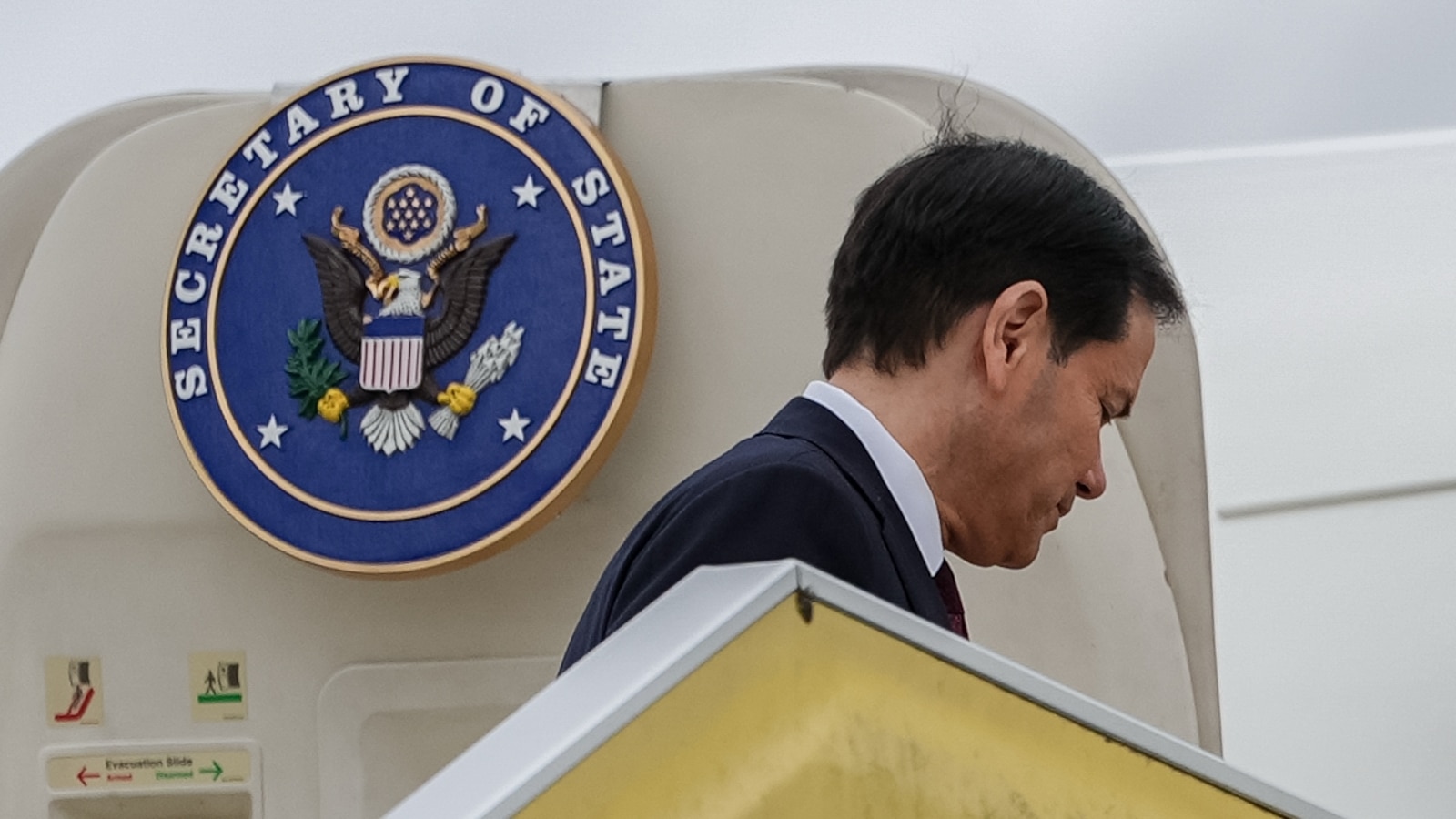
U.S. Secretary of State Marco Rubio touched down in India on Saturday, launching a four-day visit aimed at easing tensions with New Delhi following President Donald Trump’s recent tariff increases on several Indian exports. The trip sets the stage for next week’s Quad ministerial meeting in New Delhi, where Rubio will join his counterparts from India, Australia and Japan.
Rubio arrived early Saturday in the eastern city of Kolkata. From there he is scheduled to visit Mother House, the headquarters of the Missionaries of Charity founded by Mother Teresa. In the days ahead he will travel to the northern cities of Agra and Jaipur, home to some of India’s most recognizable monuments and palaces, before returning to the capital for official talks.
“There’s a lot to work on with India, they’re a great ally and partner. We do a lot of good work with them so this is an important trip,” Rubio said before departing for India. The comment came as Washington seeks to stabilize relations strained by the new tariffs.
While in New Delhi, Rubio is expected to hold a bilateral meeting with External Affairs Minister Subrahmanyam Jaishankar and to call on Prime Minister Narendra Modi. Those sessions will precede the full Quad gathering on Tuesday, which brings together the foreign ministers of the four Indo-Pacific partners.
The Quad has repeatedly raised concerns about China’s military activities in the South China Sea and its assertive maritime claims. Beijing has described its own forces as defensive and has characterized the Quad as an effort to contain China’s economic growth.
Rubio’s first formal international engagement after his January inauguration last year was a meeting with the foreign ministers of the other Quad nations, both together and in separate sessions. That early focus on the grouping underscores the priority the administration places on the Indo-Pacific partnership.
India has long been viewed in Washington as a key strategic counterweight in the region. Trade and defense ties have expanded steadily over the past decade, even as occasional disputes over market access and tariffs have surfaced. The latest round of duties has added fresh friction to an otherwise cooperative relationship.
During his multi-city tour, Rubio will also attend a gala reception in New Delhi marking the 250th anniversary of U.S. independence. Organizers say the event will highlight cultural and educational exchanges between the two countries.
Indian officials have not yet issued a detailed public response to the tariff measures, but Jaishankar is expected to raise the issue directly with Rubio. Both sides have signaled a desire to keep the broader strategic dialogue on track despite the economic disagreement.
Regional analysts note that the Quad meeting comes at a time of heightened maritime activity in the Indo-Pacific. Joint naval exercises among the four nations have increased in frequency and scope over the past two years.
China’s foreign ministry has maintained that its territorial claims are based on historical rights and that its military posture remains purely defensive. It has urged the Quad members to avoid actions that could heighten tensions.
After the Quad sessions conclude, Rubio is expected to return to Washington with a clearer picture of how far the administration can advance cooperation with India while addressing the tariff dispute. Follow-up talks at the working level are already being planned.
Observers in both capitals say the personal rapport between Rubio and Jaishankar could help keep channels open even when economic issues prove difficult. The two ministers have met several times in recent years and are familiar with each other’s positions.
The visit also offers Rubio an opportunity to engage with Indian civil society. His stop at Mother House is intended to recognize the long-standing humanitarian work of the Missionaries of Charity and to underscore people-to-people ties that extend beyond government-to-government relations.