ISTANBUL, Turkey — Russia and Ukraine exchanged a barrage of deadly strikes overnight and into Saturday morning, resulting in at least 10 deaths and dozens of injuries across both countries, according to officials on each side. The violence unfolded as Ukrainian President Volodymyr Zelenskyy arrived in Istanbul for high-level talks with Turkish President Recep Tayyip Erdogan, amid ongoing efforts to bolster international partnerships in the protracted conflict.
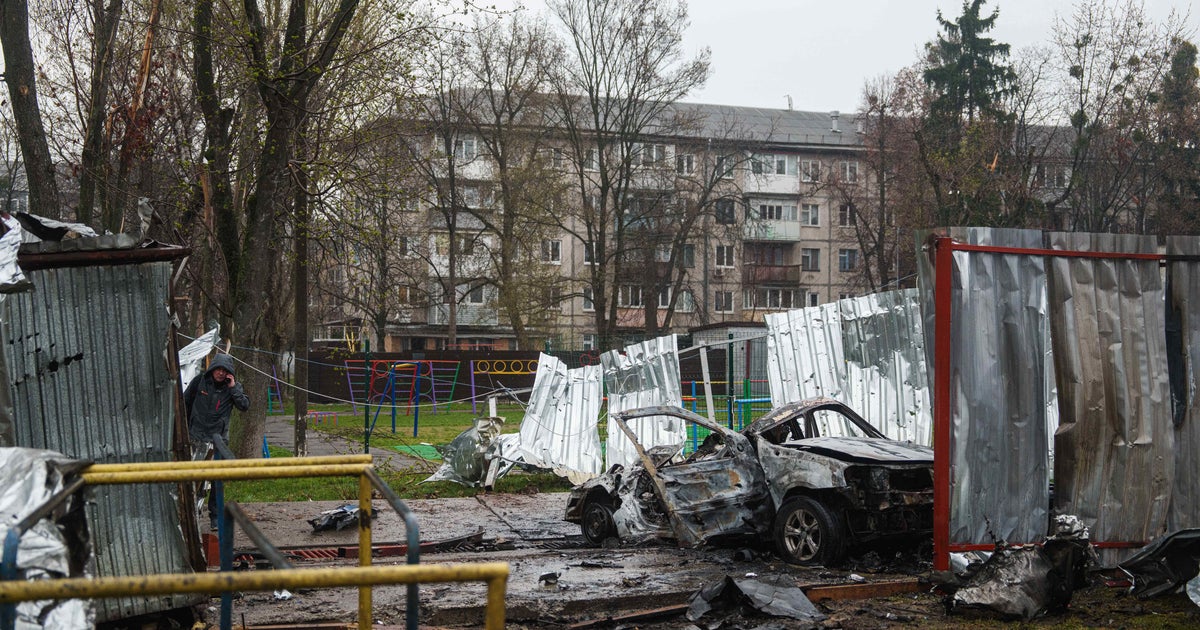
The Ukrainian Air Force reported that Russia launched 286 drones toward Ukraine overnight, with 260 of them successfully downed. In the southern city of Nikopol in the Dnipropetrovsk region, five people — three women and two men — were killed, and 19 others wounded, said Oleksandr Hanzha, head of the regional military administration. The attack targeted market stalls and a shop, leaving significant damage in a civilian area.
Further north, in Sumy near the Russian border, a strike injured 11 people, according to the National Police. Residential neighborhoods bore the brunt, with houses, cars, and utility networks damaged in the assault. In Kyiv, the capital, a drone strike ignited a fire on the first floor of a three-story office and warehouse building, but Ukraine's State Emergency Service reported no casualties from that incident.
In the partially occupied Donetsk region, a Russian drone hit a civilian car on the Kostyantynivka–Druzhkivka road early Saturday, killing one woman and injuring another, per Serhiy Horbunov, head of the Kostyantynivka City Military Administration. These strikes highlight the intensifying drone warfare that has become a hallmark of the conflict now entering its third year.
On the Russian side, the Defense Ministry claimed its forces targeted "military-industrial and energy facilities used by the Ukrainian Armed Forces" with long-range air- and ground-based precision weapons, as well as strike drones. Meanwhile, Leonid Pasechnik, the Russian-installed head of the occupied Luhansk region, reported that Ukrainian forces struck railroad infrastructure and private homes, killing a family of three — a couple and their 8-year-old child.
The Security Service of Ukraine (SBU) countered with its own claims of success, stating it conducted drone strikes to disrupt production at a metallurgical plant in the Russian-occupied city of Alchevsk in Luhansk. According to the SBU's Facebook post, the attack damaged blast furnaces, key production workshops, distillation columns, gas pipelines, and electrical substations at the facility, which reportedly supplies Russia's state-owned tank and railroad car producer, Uralvagonzavod. Russian officials provided no immediate comment on the alleged strike.
Russia's military also announced it shot down 85 Ukrainian drones overnight across nine regions, the annexed Crimea, and the Black Sea. In the Rostov region bordering Ukraine, one person was killed and four injured, said Governor Yuri Slyusar. The incident sparked a fire at a warehouse of an unspecified logistics company and another blaze on a dry-cargo vessel flying a foreign flag several kilometers offshore.
In the Samara region's city of Tolyatti, one person was wounded when a strike damaged the roof of a residential building and shattered windows in several apartments, according to Governor Vyacheslav Fedorishchev. These cross-border attacks underscore the escalating tit-for-tat nature of the war, where civilian infrastructure increasingly becomes collateral damage.
Zelenskyy's visit to Istanbul provided a diplomatic counterpoint to the battlefield escalations. Upon arrival, he posted on Telegram: "
We are working to strengthen our partnership to ensure the real protection of lives, advance stability, and guarantee security in Europe and the Middle East. Joint efforts always yield the best results." The Ukrainian leader is scheduled to meet with Erdogan and Ecumenical Patriarch Bartholomew, the spiritual leader of Eastern Orthodox Christians, in a bid to rally support for Ukraine's defense against the Russian invasion that began in February 2022.
Turkey, a NATO member with close ties to both Ukraine and Russia, has positioned itself as a potential mediator in the conflict. Erdogan has previously hosted peace talks and facilitated grain export deals from Ukrainian ports through the Black Sea. Zelenskyy's trip comes at a time when Ukraine faces mounting pressure from delayed Western aid and intensified Russian assaults, particularly in the east.
The overnight strikes are part of a broader pattern of aerial bombardments that have targeted energy infrastructure, civilian areas, and military sites since the war's outset. Last winter, Russian attacks crippled much of Ukraine's power grid, leaving millions without electricity during freezing temperatures. Ukraine has responded with long-range strikes deep into Russian territory, including drone attacks on oil refineries and military bases.
International observers note that the use of drones has democratized the conflict, allowing both sides to conduct strikes with relatively low risk to personnel but high potential for civilian harm. The United Nations has repeatedly called for restraint and protection of non-combatants, reporting over 10,000 civilian deaths since the invasion began, though the true toll is likely higher.
As the death toll from Saturday's exchanges climbed to at least 10 — with five in Nikopol, one in Donetsk, three in Luhansk, and one in Rostov — questions arise about the path to de-escalation. Zelenskyy's Istanbul engagements may yield pledges of additional support, but analysts suggest that without breakthroughs in negotiations, the cycle of retaliation will persist.
The conflict has reshaped global security dynamics, straining NATO alliances and energy markets while displacing millions. Ukraine's pleas for advanced weaponry, including long-range missiles, continue to divide Western leaders wary of provoking Moscow. Meanwhile, Russia's economy, bolstered by alliances with Iran and North Korea for drone and missile supplies, shows resilience despite sanctions.
Looking ahead, Zelenskyy's meetings could signal renewed diplomatic momentum, but the fresh strikes serve as a stark reminder of the war's human cost. Officials on both sides vow to press their military objectives, leaving civilians caught in the crossfire as the international community watches for signs of resolution.