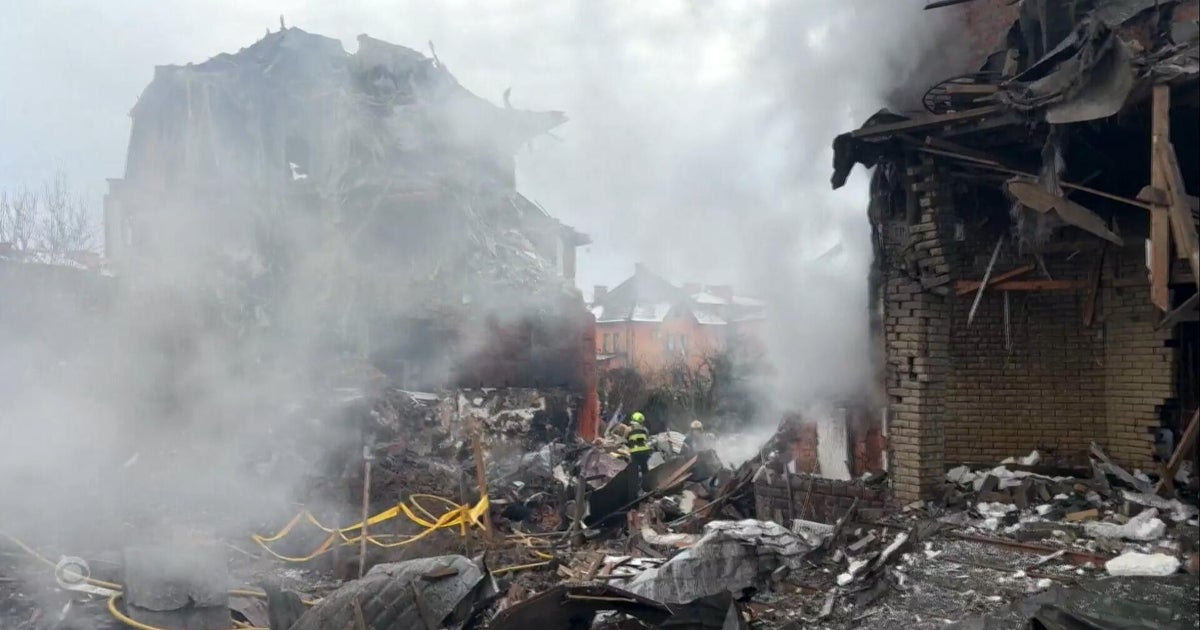
KYIV, Ukraine — Russia unleashed another large-scale assault on Ukraine on Sunday, firing scores of missiles and drones at targets across the country in what Ukrainian officials described as a brazen escalation amid ongoing peace talks. The barrage, which began in the early morning hours, targeted multiple cities including the capital Kyiv, Kharkiv in the northeast, and Odesa on the Black Sea coast, according to reports from the Ukrainian military. Air raid sirens wailed throughout the night, forcing millions into bomb shelters as explosions lit up the sky.
The attack comes just weeks after a similar offensive in late August that left at least 20 civilians dead and caused widespread power outages. Ukrainian President Volodymyr Zelenskyy, speaking from his office in Kyiv, condemned the strikes as "terrorist acts aimed at breaking our spirit." "These are not military targets; they are homes, hospitals, and schools," Zelenskyy said in a video address posted to social media. "Russia's aggression knows no bounds, but Ukraine will stand firm."
Holly Williams, reporting from Kyiv for CBS News, described the scene as chaotic. "Explosions could be heard echoing through the city as families huddled in metro stations turned into makeshift shelters," Williams said. "The Ukrainian air force intercepted many of the incoming threats, but not all—debris from downed drones littered the streets this morning." Her report highlighted the resilience of Kyiv's residents, many of whom emerged from shelters to assess the damage to their neighborhoods.
According to the Ukrainian Air Force, Russia launched more than 100 missiles and nearly 50 drones in the assault, marking it as one of the largest since the full-scale invasion began in February 2022. The weapons included hypersonic Kinzhal missiles, which are difficult to intercept, and Shahed drones supplied by Iran. Targets reportedly included energy infrastructure, with several substations hit in the western region near Lviv, leading to blackouts affecting tens of thousands.
Russian officials have not commented directly on the Sunday strikes, but state media outlets like RT claimed the operation was a "preemptive response to Ukrainian sabotage activities near the border." Kremlin spokesperson Dmitry Peskov earlier in the week had warned of "retaliatory measures" following a Ukrainian incursion into Russia's Kursk region in August, where Kyiv's forces briefly captured territory. This context underscores the tit-for-tat nature of the conflict, with both sides accusing the other of provocation.
In Kharkiv, the northeastern hub that has borne the brunt of Russian advances, local governor Oleh Syniehubov reported at least seven injuries from the strikes. "A residential building was damaged, and shrapnel injured several people who were sleeping," Syniehubov said in an update on Telegram. Emergency services worked through the night to clear rubble and restore power, but officials warned of potential further attacks. The city, already scarred by months of shelling, saw its already strained grid pushed to the limit.
Further south in Odesa, the port city vital for Ukraine's grain exports, the assault disrupted maritime operations. Ukrainian Navy spokesperson Dmytro Pletenchuk noted that drones targeted the port area, though no ships were hit. "This is an attempt to choke our economy," Pletenchuk said. The strikes coincide with renewed international efforts to broker a ceasefire, including upcoming talks in Geneva involving U.S., European, and Ukrainian diplomats.
International reaction was swift. U.S. President Joe Biden, in a statement from the White House, called the attack "unprovoked and unacceptable," pledging an additional $200 million in military aid to Ukraine, including more air defense systems. "We stand with our allies in their fight for sovereignty," Biden said. NATO Secretary General Jens Stoltenberg echoed the sentiment, urging members to increase support. "Russia's actions only strengthen our resolve," he added during a briefing in Brussels.
From Moscow's perspective, the strikes align with Russia's narrative of defending against NATO expansion. Foreign Minister Sergey Lavrov, in an interview with TASS, dismissed Western criticism as "hypocritical," pointing to U.S. arms shipments as escalatory. "Ukraine is a puppet regime fueled by foreign weapons," Lavrov said. This viewpoint contrasts sharply with Kyiv's portrayal of the war as an existential struggle against imperialism.
The broader context of the conflict reveals a war of attrition entering its third year. Since Russia's annexation of Crimea in 2014 and the subsequent support for separatists in Donbas, tensions have simmered. The 2022 invasion, justified by President Vladimir Putin as "denazification," has resulted in tens of thousands of deaths and displaced millions. Recent battles in the Donetsk region have seen Russian gains, but at a high cost, with estimates from Western intelligence suggesting over 500,000 Russian casualties.
Ukrainian forces, bolstered by Western-supplied HIMARS rockets and F-16 jets, have mounted fierce resistance. The Sunday attack, however, exposed vulnerabilities in air defenses, which have intercepted about 80% of incoming threats in recent months, per Pentagon assessments. Experts like Michael Kofman from the Carnegie Endowment for International Peace noted that such barrages aim to overwhelm systems. "It's a strategy of exhaustion, targeting civilian morale as much as infrastructure," Kofman said in an analysis published Monday.
As dawn broke over Kyiv, residents like 45-year-old teacher Olena Kovalenko surveyed the damage to her apartment block. "We heard the booms and ran to the basement," Kovalenko told reporters. "This is our life now—fear and uncertainty. But we won't let them win." Her words captured the defiance that has defined Ukraine's response, even as winter approaches and energy shortages loom.
Looking ahead, the implications of the attack ripple globally. Europe's energy markets, already volatile due to reduced Russian gas supplies, face new pressures from Ukrainian disruptions. The U.S. midterm elections in November could influence aid levels, with some Republican lawmakers calling for negotiations. Ukrainian officials, however, insist on full territorial restoration, including Crimea and Donbas.
Peace talks remain elusive. A proposed framework from Turkey, involving grain corridor guarantees and prisoner swaps, has stalled over territorial demands. UN Secretary-General Antonio Guterres appealed for restraint, warning of a "humanitarian catastrophe." "The world cannot afford further escalation," Guterres said from New York.
In the coming days, Ukraine anticipates more aid announcements from allies, while Russia masses troops near the border. The Sunday assault serves as a stark reminder of the conflict's volatility, with no end in sight. As Holly Williams concluded from Kyiv, "The people here are weary, but their determination endures amid the rubble."