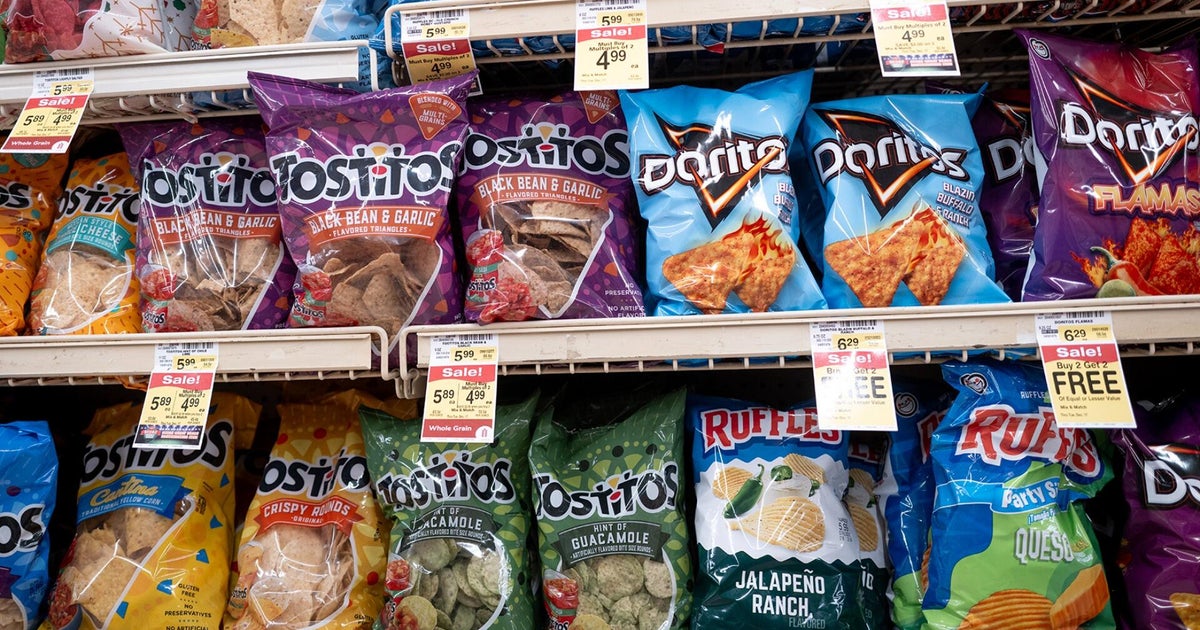
SAN FRANCISCO — In a groundbreaking legal move, the city of San Francisco filed a lawsuit on Tuesday against 11 major manufacturers of ultra-processed foods, marking what officials described as the first government-initiated action of its kind targeting the food industry's role in public health crises.
City Attorney David Chiu announced the suit during a press conference at City Hall, accusing the companies of deceptive marketing practices that downplay the health risks associated with their products. The lawsuit seeks to hold these corporations accountable for contributing to widespread issues like obesity, diabetes, and heart disease, which have strained the city's healthcare resources.
According to Chiu, the targeted companies include household names in the snack and beverage sectors, though specific names were not immediately disclosed in the initial filing. The complaint alleges that these firms have knowingly formulated products with high levels of sugar, salt, and artificial additives while failing to adequately warn consumers about the long-term dangers.
"For too long, these companies have profited from addictive products that harm our communities," Chiu said in his remarks. "This lawsuit is about protecting public health and ensuring accountability from an industry that has prioritized profits over people."
The announcement comes amid growing national scrutiny of ultra-processed foods, defined by health experts as items that undergo extensive industrial processing and often contain ingredients not typically found in home cooking. Studies from organizations like the World Health Organization have linked these foods to a range of chronic conditions, with consumption rates in the U.S. exceeding 50% of daily caloric intake for many adults.
San Francisco's action builds on a wave of litigation against food and tobacco industries. In recent years, cities like New York and Los Angeles have pursued similar suits against opioid manufacturers and fast-food chains, citing public nuisance laws. Legal observers noted that this case could set a precedent, potentially inspiring other municipalities to challenge Big Food.
The lawsuit was filed in San Francisco Superior Court under California's Unfair Competition Law and public nuisance statutes. It claims the companies' practices have led to an estimated $1.2 billion in annual healthcare costs for the city, based on data from local hospitals and public health records.
Representatives from the food industry pushed back swiftly. A spokesperson for the Grocery Manufacturers Association, which represents many large processors, called the suit "frivolous and misguided." "Innovation in food production has made safe, affordable options available to millions," the statement read. "Blaming manufacturers ignores personal responsibility and broader societal factors in health outcomes."
Public health advocates praised the move. Dr. Elena Ramirez, a nutrition expert at the University of California, San Francisco, who has consulted on related research, said, "Ultra-processed foods are engineered to be hyper-palatable, driving overconsumption. This lawsuit shines a necessary light on how marketing manipulates consumer behavior."
Details of the suit reveal specific allegations, including the use of misleading labels that tout products as "natural" or "wholesome" despite their processed nature. The city attorney’s office cited internal documents, obtained through prior investigations, showing that some companies conducted studies on addictiveness but did not disclose findings publicly.
The 11 companies named in the complaint span categories from sugary cereals to ready-to-eat meals and carbonated drinks. While the full list remains under seal pending court review, sources close to the case indicated involvement of firms with combined annual revenues exceeding $500 billion globally.
This is not San Francisco's first foray into health-related litigation. In 2019, the city settled a $13 million suit against e-cigarette maker Juul for targeting youth. Chiu, who took office in 2021, has emphasized environmental and consumer protection as priorities, aligning this lawsuit with his broader agenda.
Broader context underscores the timeliness of the action. The Centers for Disease Control and Prevention reports that obesity affects 42% of American adults, with ultra-processed foods implicated in a 2023 study published in the British Medical Journal as a key driver. In San Francisco, where diverse populations face varying access to fresh foods, the issue hits particularly hard in underserved neighborhoods.
Critics from the right-leaning think tanks, such as the Competitive Enterprise Institute, argued that such suits infringe on free market principles. "Government overreach like this stifles innovation and burdens taxpayers with legal fees," said policy analyst Mark Wilson in a recent op-ed.
From the left, progressive groups like Food & Water Watch hailed it as a step toward regulating corporate power. "This is corporate accountability in action," said executive director Wenonah Hauter. "We need more cities to follow suit to combat the food industry's assault on our health."
Looking ahead, the lawsuit could take years to resolve, with potential for class-action expansions or federal involvement. Industry analysts predict settlement talks may begin soon, given the high costs of prolonged litigation. For now, San Francisco's bold step signals a shifting tide in how governments address the hidden costs of modern diets.
As the case unfolds, public health officials urge residents to read labels and opt for whole foods. Chiu concluded his press conference by emphasizing education: "Knowledge is our best defense against deception." The full implications for food regulation remain to be seen, but Tuesday's filing has undoubtedly sparked a national conversation.