A new children's television series is taking shape in Saskatoon with the goal of preserving the Nakoda language through puppetry and storytelling. The 13-episode show, called Nakon’i’a with Kunsi, is currently in production and scheduled to air later this year on APTN.
Writer and director Cory Generoux said the project grew out of his friend’s work using a puppet to teach the language in schools and communities. “She teaches children, you know, teaches in schools, teaches a lot of communities using her puppet as a resource and I just thought maybe we can turn this into a children’s TV show,” Generoux said.
Actress Theresa O’Watch, who received the puppet as a gift, described how it changed her approach to teaching. “When I was gifted the puppet, me teaching took on a whole new dimension,” O’Watch said.
Generoux emphasized the urgency of the effort, noting that the Nakoda language is considered endangered with fewer than 100 speakers remaining. He said protecting the language must begin at home and with the youngest generation. “It’s just incredibly important that we do this and it starts in the home, it starts with children, with the generation that we have now, which is a perfect way to showcase this language,” he said.
The production marks what Generoux described as a milestone. “It’s actually history in the making in that nothing like this has ever been done entirely in the Nakota language,” he said. He added that watching the scenes unfold on screen brings him particular satisfaction because the dialogue is entirely in Nakoda.
Although aimed at children, the series is intended to reach viewers of all ages. Organizers hope parents will use the episodes to bring the language into daily household use rather than limiting it to classroom settings. “For our language to survive, we need the parents to start bringing it into the homes and not just in the schools. We need it in the homes, and this is that opportunity to do that,” Generoux said.
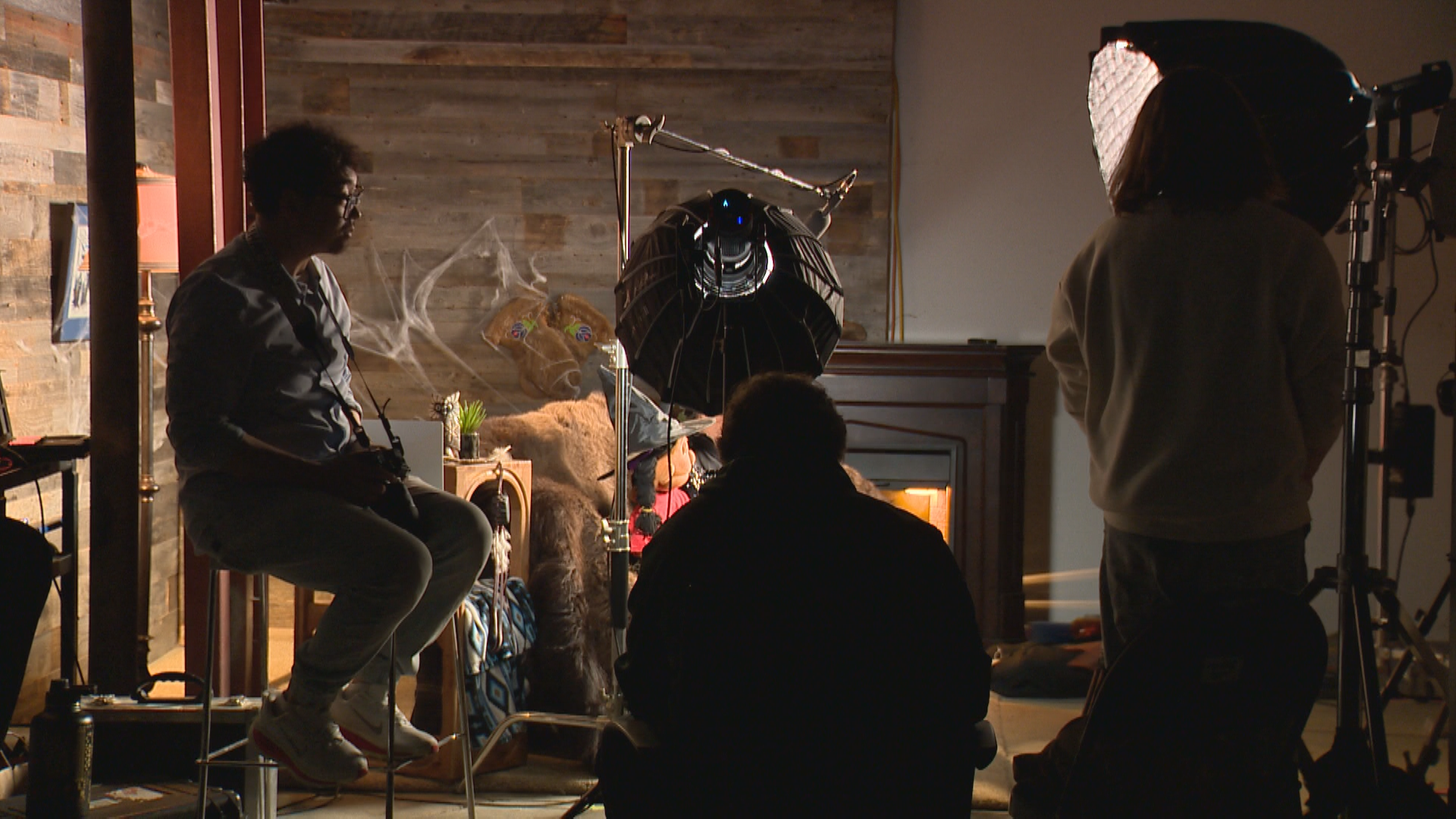
Behind-the-scenes footage shows the cast and crew working on sets in Saskatoon, where the puppet characters interact in everyday situations while introducing vocabulary and phrases. The production team has focused on creating content that feels natural and engaging for young audiences while remaining faithful to the language.
Generoux, who also serves as director, said the experience of hearing the language spoken consistently during filming has been moving. He noted that the project represents a fresh approach to language revitalization efforts that have traditionally relied on classroom instruction or community workshops.
The series will consist of 13 episodes, each designed to build on basic language skills through stories and songs performed by the puppet characters. Producers expect the show to be available to viewers across Canada once it begins airing on APTN.
Community members involved in the production have expressed hope that the program will encourage more families to practice Nakoda at home. They view the television format as a way to reach households that may not have regular access to language classes.
Production continues in Saskatoon with plans to complete filming in the coming months. Once finished, the episodes will undergo final editing before their scheduled broadcast later this year.
Supporters of the project say it could serve as a model for similar efforts with other Indigenous languages facing similar challenges. The use of familiar children’s television formats is seen as one method to make language learning more accessible and enjoyable.