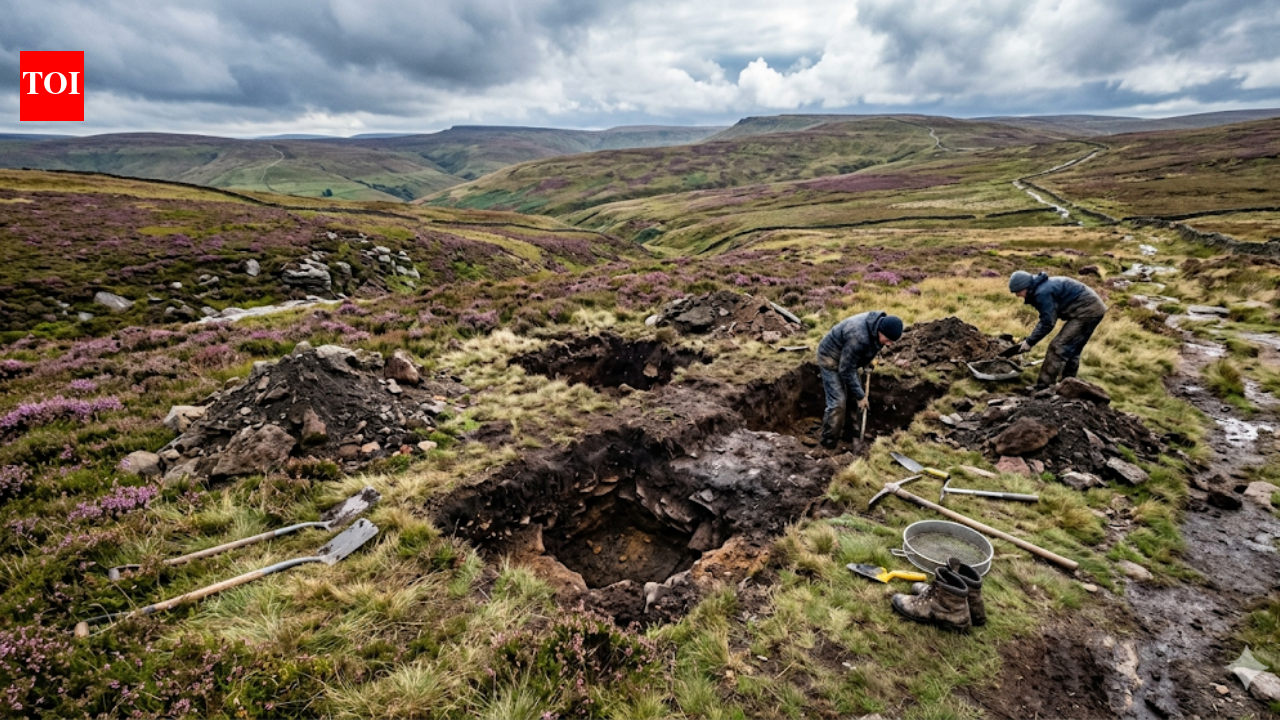
In the peatland bogs of northern England’s Pennine hills, scientists have begun digging thousands of strategically placed holes as part of an effort to combat climate change, according to reports from the Times of India Science Desk.
The project targets the region’s extensive peatlands, which are seen as critical for carbon storage. Officials and researchers involved say the holes will help restore natural water levels and encourage the growth of peat-forming vegetation that locks away greenhouse gases.
According to the Times of India, the Pennine hills are becoming a focal point for this work because of the scale of the peat bogs there. The initiative involves creating numerous small depressions across the landscape rather than large-scale excavation.
Local environmental groups have welcomed the approach, noting that similar techniques have been tested on a smaller scale in other parts of the United Kingdom. One researcher quoted in the coverage described the method as “a practical way to revive degraded peatlands quickly.”
Peatlands across Britain have been drained for agriculture and forestry over decades, releasing stored carbon into the atmosphere. The new holes are intended to reverse some of that damage by holding rainwater and slowing runoff, the report states.
Project leaders have not released exact figures on the total number of holes planned, but the Times of India summary indicates the effort will number in the thousands. Work is reportedly concentrated in areas where previous restoration attempts showed promising results.
Critics of large-scale peatland interventions have raised questions about long-term effectiveness and potential impacts on local wildlife. The Times of India article does not include direct responses from those groups, focusing instead on the scientific rationale provided by the researchers.
Background information in the coverage explains that peat bogs act as natural carbon sinks when healthy. By re-wetting the ground through these targeted holes, scientists hope to restart the slow process of peat accumulation that can take centuries.
Funding for the work reportedly comes from a combination of government climate programs and academic grants, though specific amounts were not detailed in the available summary. The project is described as ongoing, with monitoring stations set up to track changes in water table levels and vegetation cover over the coming years.
Similar hole-digging techniques have been used in Scotland and parts of Wales, according to the report, with early data suggesting improved carbon retention in treated areas. Researchers in the Pennines are now adapting those methods to the specific soil and climate conditions of the hills.
Residents in nearby villages have noticed increased activity from field teams in recent months. One local observer told reporters that crews have been working steadily through the summer, marking out sites with small flags before beginning the digging.
The Times of India Science Desk presents the story as part of broader global efforts to harness natural landscapes for climate mitigation. No conflicting accounts appear in the source material provided.
Further details on completion timelines remain limited, with officials saying results will be assessed after at least two full growing seasons. The project continues to draw interest from other European countries facing comparable peatland degradation.