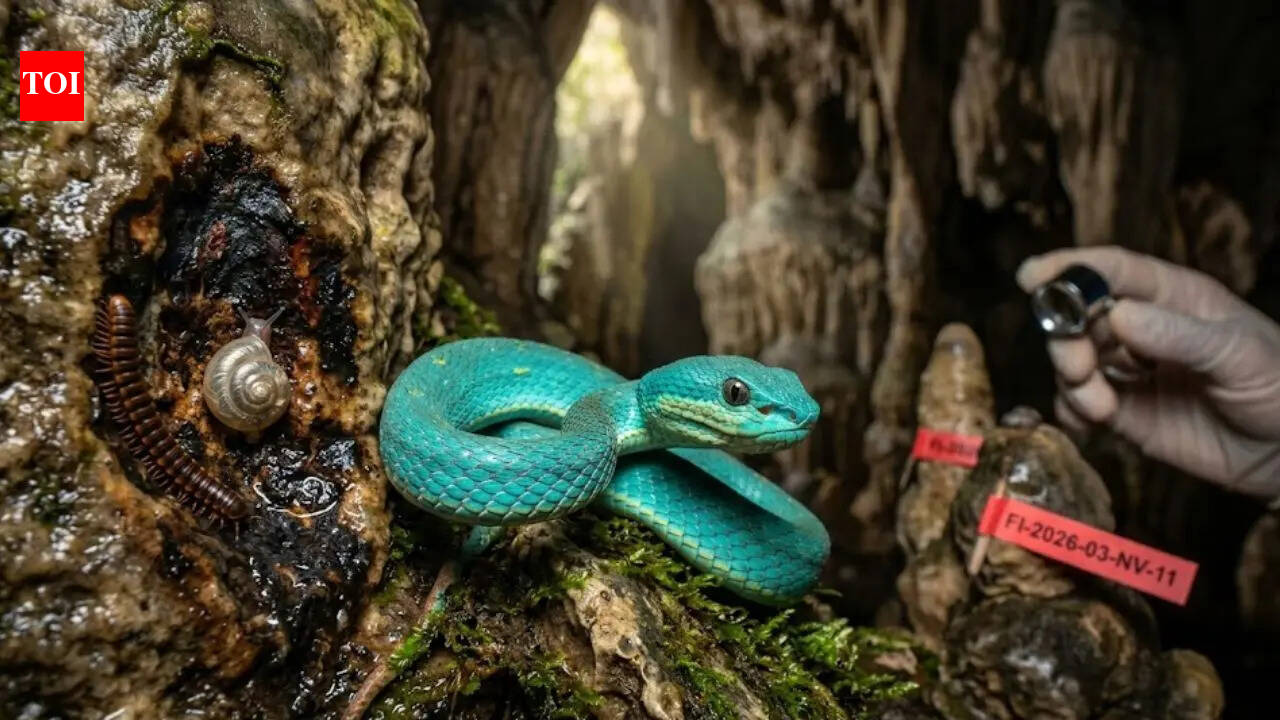
PHNOM PENH, Cambodia — In a significant boost to global biodiversity efforts, scientists have announced the discovery of at least 11 new species thriving in the rugged limestone ecosystems of Cambodia. The findings, revealed after years of meticulous biological surveys, highlight the untapped ecological riches hidden within the country's karst landscapes, areas long recognized for their unique geological formations and isolated habitats.
According to a report from the Times of India, researchers conducting extensive fieldwork identified these previously unknown species amid the jagged peaks and deep caves of Cambodia's limestone forests. These environments, characterized by their dramatic karst topography, have served as natural refuges for flora and fauna, shielding them from widespread deforestation and human encroachment elsewhere in Southeast Asia. The discoveries include a mix of invertebrates, reptiles, and possibly small mammals, though specific classifications are still under peer review.
The expedition leading to these findings was part of a broader initiative by international conservation groups, including the Wildlife Conservation Society and local Cambodian authorities. Over the past five years, teams have traversed remote regions such as the Phnom Samkos and Cardamom Mountains, where limestone outcrops create fragmented habitats that foster high levels of endemism. "These rocky ecosystems are like islands in the sky, isolated and biodiverse," said Dr. Navjot Sodhi, a biodiversity expert who contributed to similar surveys in the region, as cited in related scientific publications.
One of the standout discoveries is a new species of gecko, tentatively named after the limestone's porous texture, adapted to cling to sheer vertical faces. Researchers noted its iridescent scales, which may serve as camouflage against the pale rock surfaces. Another find includes a rare orchid variant, its delicate blooms emerging only during the brief rainy seasons that nourish these arid highlands.
The Times of India article emphasizes that the identification process involved genetic sequencing and morphological analysis, confirming the novelty of each species. "After years of extensive biological research, scientists identified at least 11 species new to science occupying the ruggedly divided limestone forests," the report states, underscoring the painstaking effort required to catalog life in such challenging terrains.
Cambodia's limestone karsts, spanning over 1,000 square kilometers in protected areas like the Northern Plains, have been under increasing pressure from illegal logging and mining. Conservationists argue that these discoveries come at a critical juncture, as climate change and development threaten to erode these natural wonders. In 2022, the Cambodian government expanded protections for karst regions following international pressure, designating additional sites as wildlife sanctuaries.
Local communities near these ecosystems, including ethnic minorities in Mondulkiri and Ratanakiri provinces, have long revered the limestone hills for their spiritual significance and as sources of traditional medicine. Elders from the Jarai people, for instance, shared knowledge with researchers about rare plants used in healing rituals, aiding in the documentation of ethnobotanical species among the new finds.
Experts from the Smithsonian Institution, collaborating on the project, reported that the discoveries could number more than 11 once full analyses are complete. "The diversity here is staggering; each cave system holds potential secrets," noted expedition leader Dr. Lee Grismer, whose team documented over 200 specimens during the latest surveys. This aligns with previous explorations in Vietnam and Laos, where similar karst habitats yielded dozens of new reptiles.
However, not all perspectives on the research are uniformly optimistic. Some Cambodian environmental NGOs have expressed concerns that heightened publicity could attract poachers targeting endemic species for the illegal wildlife trade. "While these findings are exciting, we must prioritize enforcement to prevent exploitation," said Sok Socheat, director of the NGO Mother Nature, in a statement to local media.
The broader context of biodiversity loss in Southeast Asia frames these discoveries as a rare positive note. According to the International Union for Conservation of Nature, over 20% of the region's species are at risk of extinction due to habitat fragmentation. Cambodia, with its mix of rainforests and karst formations, hosts more than 500 bird species and 200 mammals, making it a hotspot for endemics.
Funding for the research came from a combination of grants by the National Geographic Society and the Cambodian Ministry of Environment, totaling approximately $500,000 over three years. Field teams endured monsoons, treacherous climbs, and encounters with venomous snakes to collect data, often camping in remote caves for weeks at a time.
Looking ahead, scientists plan to publish detailed descriptions in the Journal of Herpetology and Botany, expected by mid-2024. Conservation efforts will focus on establishing buffer zones around key limestone sites to mitigate threats from agriculture and infrastructure projects, such as the proposed hydropower dams in the Mekong basin.
These new species not only enrich our understanding of evolutionary biology but also underscore the urgency of protecting Cambodia's fragile ecosystems. As global attention turns to the upcoming COP16 biodiversity conference in Colombia, advocates hope these findings will galvanize international support for karst preservation. For now, the limestone forests remain silent guardians of secrets yet to be unveiled.
In Phnom Penh, officials from the Forestry Administration hailed the announcement as a testament to collaborative science. "This discovery reinforces Cambodia's commitment to sustainable development and wildlife protection," Environment Minister Say Samal said during a press briefing on Tuesday.
As researchers continue their work, the story of Cambodia's hidden life forms serves as a reminder of the world's remaining unknowns, urging greater stewardship in an era of rapid environmental change.