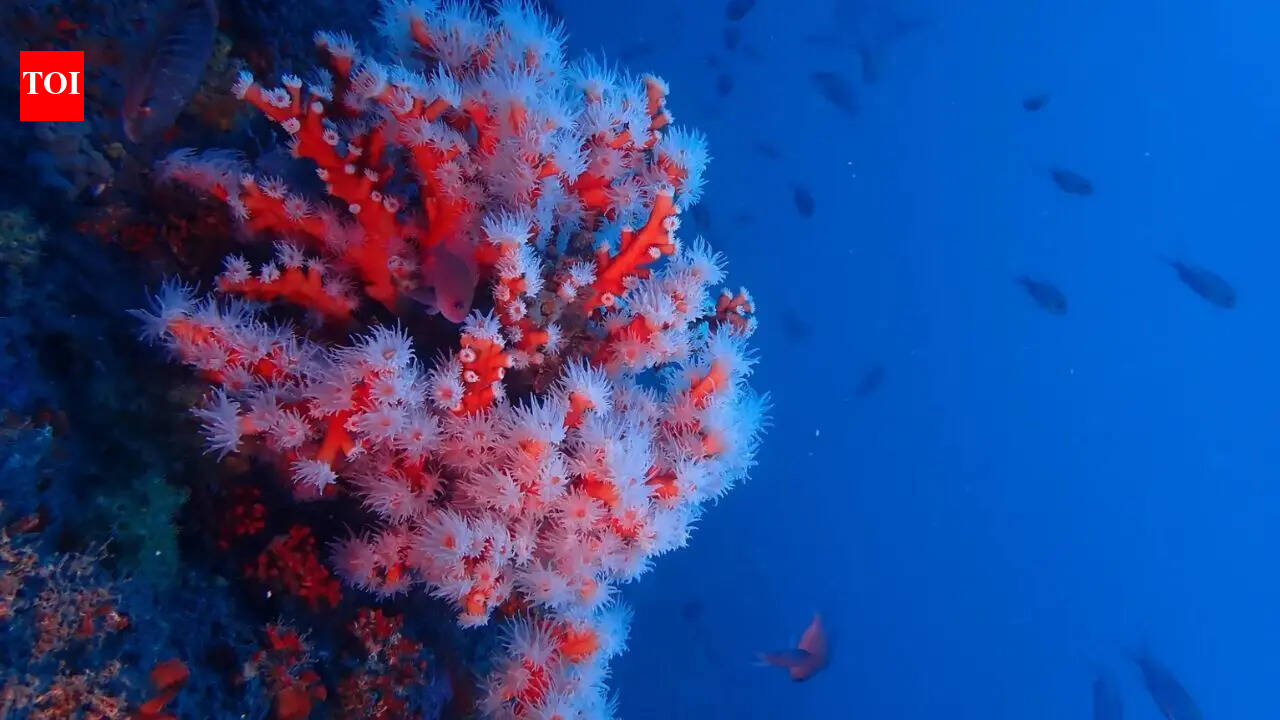
Scientists have documented more than 1,100 previously unrecorded species in the waters of the Coral Sea, according to a report published by the Times of India Science Desk. The findings come from deep-water expeditions that continue to highlight how much of the ocean's biodiversity remains unknown to researchers.
The Coral Sea, located off the northeastern coast of Australia, has long been a focus for marine biologists due to its rich and varied ecosystems. Expeditions in the region have turned up species ranging from deep-sea fish to invertebrates that had not been catalogued before. Officials involved in the surveys noted that these discoveries underscore the vast areas of the ocean floor that have yet to be thoroughly explored.
According to the Times of India report, the new records include a wide array of marine life forms identified during recent dives and sampling operations. The exact locations of the finds were not disclosed in detail, but they are said to come from depths where light barely penetrates and conditions are extreme. Researchers emphasized that such environments often harbor unique adaptations not seen in shallower waters.
One summary of the work described how "deep-water expeditions in the Coral Sea continue to reveal how little of the ocean’s biodiversity has actually been documented." Areas that appear remote and inaccessible are proving to hold surprises for those equipped to study them. The report added that these efforts are part of ongoing attempts to map marine life before further environmental changes occur.
Marine scientists have pointed out that the Coral Sea's isolation has helped preserve certain habitats, making it a prime spot for new discoveries. Past surveys in nearby regions have similarly uncovered species new to science, though the current tally of over 1,100 stands out for its scale. No specific names of lead researchers were provided in the available accounts.
Local conservation groups have welcomed the news, saying it could strengthen arguments for protecting larger portions of the sea from commercial activities. They noted that documenting biodiversity is a first step toward understanding potential impacts from climate shifts and fishing pressures. Government agencies in Australia have not yet issued an official response to the findings.
The Times of India Science Desk, which compiled the report, described itself as a team focused on delivering updates from the worlds of discovery and research. Their coverage often includes topics such as genetic studies, space missions, and emerging technologies, aiming to make complex subjects accessible to general readers.
Further analysis of the collected specimens is expected in the coming months, with some samples possibly sent to museums and universities for classification. Experts cautioned that confirming a species as entirely new requires careful comparison with existing records, a process that can take time. Until then, the finds are listed as newly recorded rather than definitively novel.
Similar expeditions in other parts of the Pacific have produced comparable results in recent years, though direct comparisons are difficult without standardized methods. The Coral Sea work adds to a growing body of evidence that deep-sea environments are more diverse than once assumed. Funding for such projects often comes from a mix of government grants and private foundations.
Observers say the discoveries could influence future marine policy discussions, particularly around establishing protected zones. While the immediate reaction has been positive among scientific circles, broader public awareness remains limited. Additional details may emerge as the full dataset is processed and shared.
Reporters covering the story noted that the ocean still holds many secrets despite advances in technology like remotely operated vehicles and improved sonar mapping. The current project reportedly used a combination of these tools alongside traditional trawling and visual surveys. Results like these serve as reminders of the need for continued investment in ocean research.