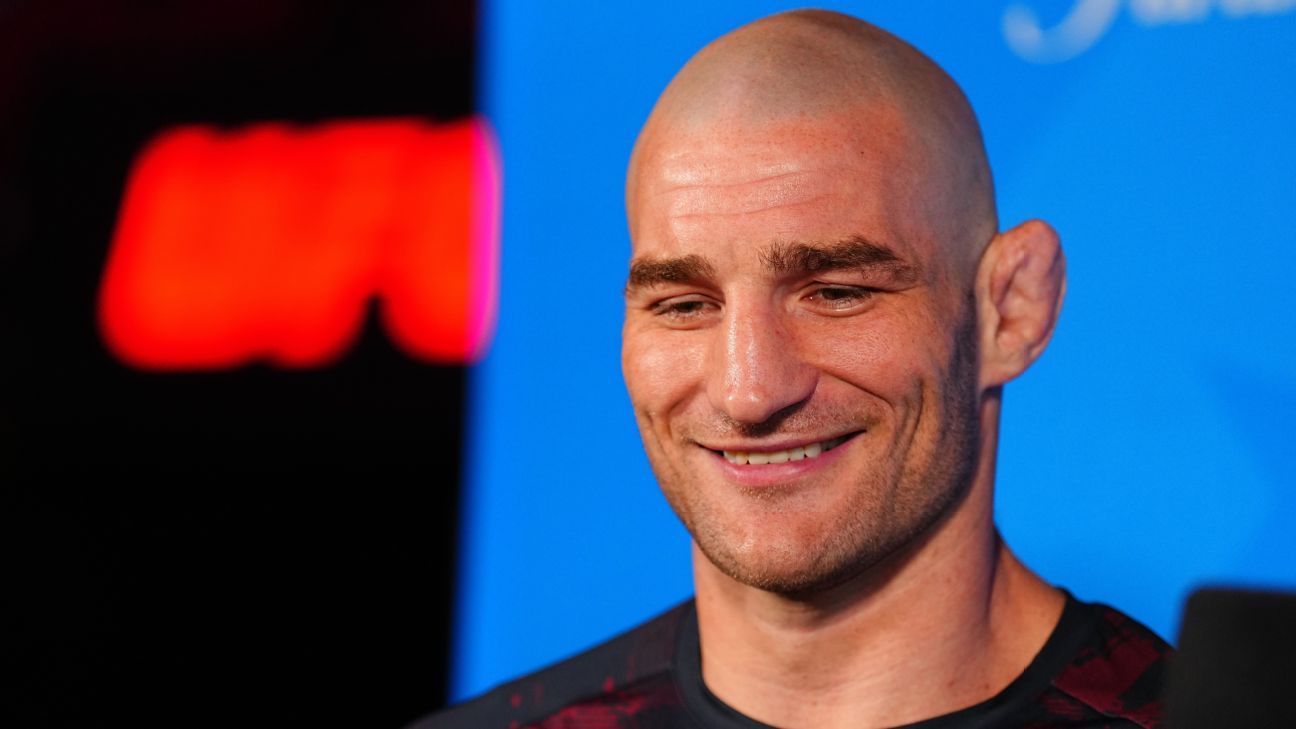
HOUSTON — As the UFC gears up for its Fight Night event here on Saturday, former middleweight champion Sean Strickland has reignited a long-simmering debate over fighter compensation, labeling the promotion's pay structure as "predatory" in a candid prefight interview.
Strickland, who is set to make his 24th appearance in the Octagon against Anthony Hernandez in the main event at the Toyota Center, dismissed the UFC's recent decision to double fight night bonuses from $50,000 to $100,000. Speaking to Complex this week, the outspoken fighter argued that the adjustment does little to address broader inequities in how athletes are compensated compared to the organization's massive revenue streams.
"As far as the pay scale, when you compare it to any other sporting event, the UFC is the most f---ed up," Strickland said. "Athlete pay versus what [the UFC] is making, there is no argument there. It's not fair. It's predatory."
His comments come at a time when the UFC, under the ownership of Endeavor, continues to expand globally and generate billions in revenue through broadcasting deals, pay-per-view events, and merchandise. Yet, fighters like Strickland contend that the bulk of those profits flows to executives and stakeholders rather than the athletes who risk their health in the cage.
Strickland advocated for a more equitable model, drawing parallels to other major sports leagues. "I would just like it to match any other sporting event," he told Complex. "Any other sporting event — how much they're making is what we should get paid. Let's say the NFL gives 70% of its profits — I'm making this up — to their players. The UFC should do the same."
Unlike the NFL or NBA, which operate under collective bargaining agreements that guarantee players a significant share of league revenues, UFC fighters negotiate their contracts individually with the promotion. This lack of union representation has been a point of contention for years, leaving athletes vulnerable to what critics describe as one-sided deals.
A landmark antitrust lawsuit filed by a group of current and former fighters against the UFC and its parent company Zuffa LLC highlighted these issues. The class-action suit, which alleged that the promotion suppressed wages and limited competition, was settled in 2025 for an undisclosed amount. According to court documents from the case, fighters historically received between 13% and 20% of the UFC's total revenue — a figure far below the 48% to 60% that players in major U.S. team sports typically command.
The UFC has consistently pushed back against such criticisms, emphasizing that its pay model rewards performance and includes opportunities for sponsorships and endorsements outside the cage. In statements defending the structure, UFC officials have noted that fighters have alternatives, pointing to rival promotions like the Professional Fighters League (PFL) or Bellator MMA, which was recently acquired by the PFL, as viable options for those dissatisfied with UFC compensation.
Strickland, known for his unfiltered opinions and controversial persona both inside and outside the ring, went further in his interview, warning of long-term consequences for the sport's American talent pool. He suggested that low pay would drive top prospects away from MMA, leading to an influx of international fighters willing to accept lower purses.
"You're slowly going to see the American roster die because it's, like, outsourced by people," Strickland said. He added that the UFC's approach discourages fighters from pushing back on inadequate offers, as the promotion can easily replace them with someone hungrier for a paycheck.
This isn't the first time fighter pay has dominated headlines in the UFC. In 2014, a similar antitrust suit was filed, leading to years of litigation that exposed internal emails and documents revealing strategies to keep fighter salaries down. The 2025 settlement, while providing some retroactive payments to affected fighters, did not result in structural changes like a collective bargaining agreement, leaving the door open for ongoing disputes.
Hernandez, Strickland's opponent on Saturday, has not publicly commented on the pay issue ahead of the bout, focusing instead on his preparation for what could be a career-defining win. The 31-year-old rising star from California enters the fight on a five-fight winning streak, including a submission victory over veteran Rodrigo Nascimento earlier this year.
Strickland, 34, relinquished his middleweight title in September 2024 after a unanimous decision loss to Dricus du Plessis at UFC 305 in South Africa. His return to the 185-pound division has been marked by his signature trash-talking style, but the pay critique adds a layer of substance to his rhetoric, resonating with a segment of the MMA community frustrated by stagnant wages amid the UFC's financial boom.
The promotion's revenue has skyrocketed in recent years, bolstered by a landmark 10-year, $1.5 billion broadcasting deal with ESPN signed in 2018 and extended through 2025. Events like UFC Fight Night in Houston, which draws thousands of fans and generates significant gate receipts, underscore the organization's commercial success — success that fighters like Strickland argue should be more equitably shared.
Looking ahead, the implications of Strickland's remarks could extend beyond this weekend's card. With no fighter union in sight and ongoing discussions about potential labor reforms, his voice might amplify calls for change, especially as younger athletes enter the sport amid economic pressures. Whether the UFC responds with further adjustments remains to be seen, but for now, the conversation underscores a persistent tension at the heart of mixed martial arts.
As the Octagon prepares to host another high-stakes showdown, Strickland's fight against Hernandez isn't just about reclaiming momentum — it's a platform for highlighting what he sees as systemic flaws in the industry that have long pitted fighters against the very promotion that made them stars.