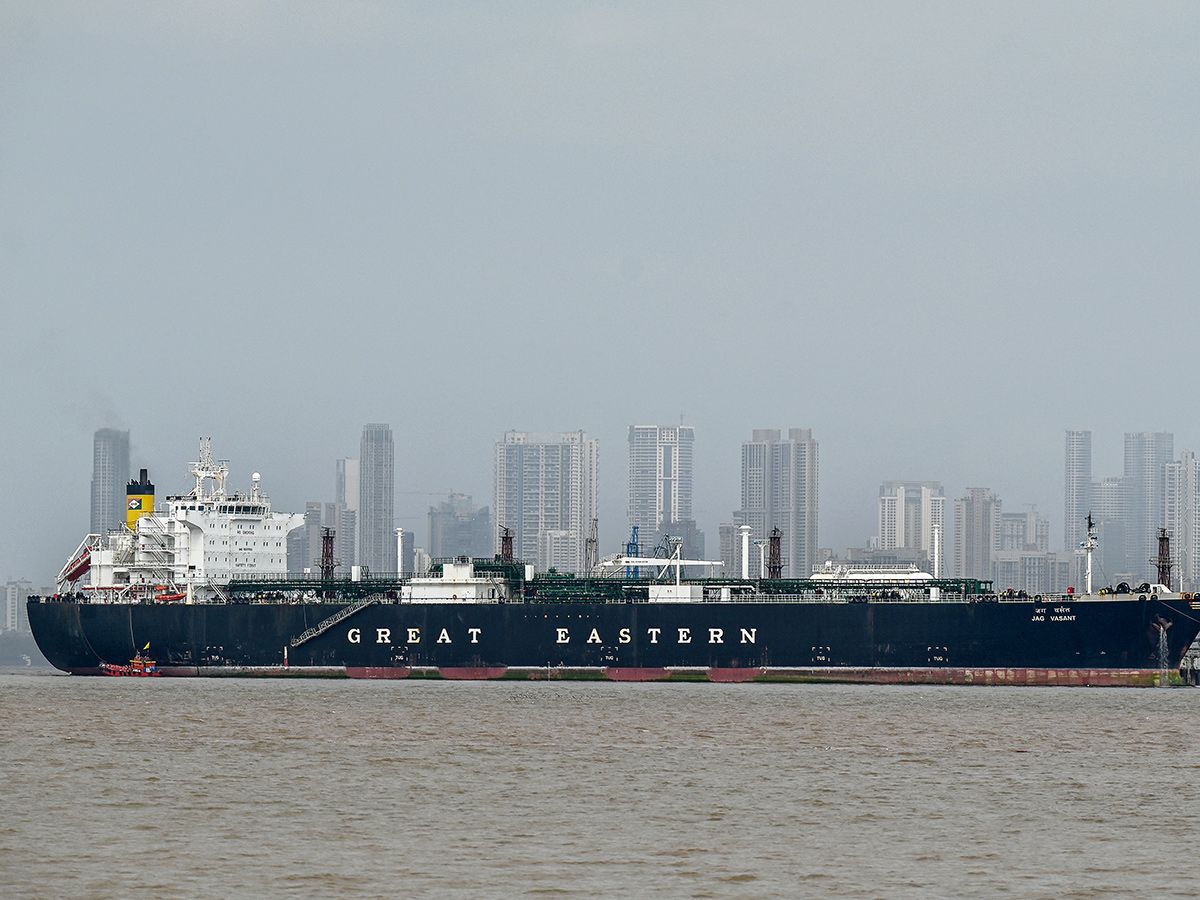
APPLINGTON, Wis. — Shipowners across the globe are eyeing a fragile ceasefire between the United States and Iran with cautious hope, as it could provide a narrow window to free more than 800 vessels trapped in the Persian Gulf amid the near-closure of the Strait of Hormuz. The vital waterway, through which roughly 20 percent of the world's oil passes, has been effectively choked for weeks following a series of U.S. and Israeli strikes that prompted Iran to tighten its grip on the region. On Tuesday, just hours before a deadline set by U.S. President Donald Trump expired, the two sides announced an agreement to halt hostilities in exchange for reopening the strait, though the terms remain shrouded in uncertainty.
According to reports from the National Post, the ceasefire comes after multiple attacks on shipping in the area left thousands of seafarers and their cargoes at risk, forcing vessels to loiter on either side of the strait while traffic dwindled to a mere trickle. In peacetime, some 135 ships transit the strait daily, carrying everything from crude oil to agricultural products. But the current standoff has created an unprecedented crunch in global energy supplies, with tankers and other carriers idling in limbo.
The agreement's details are murky, highlighting the diplomatic tightrope being walked. Iran has stated it agreed to two weeks of safe passage, coordinated with its armed forces and subject to “technical limitations,” as reported by sources close to the negotiations. In contrast, President Trump declared a “COMPLETE, IMMEDIATE, and SAFE OPENING” of the strait, according to his public announcement. It remains unclear whether the two sides have resolved outstanding issues, such as potential payments or compensation for previous disruptions.
For the shipping industry, the news has sparked a flurry of activity as owners scramble to parse the fine print. The Japanese Shipowners’ Association, a key industry group representing major carriers, indicated it would review the U.S.-Iran agreement's specifics before advising its members. “We will check the details,” a spokesperson for the association told reporters, emphasizing the need for verifiable assurances before any vessels attempt passage.
Experts warn that even if the ceasefire holds, resuming normal flows won't happen overnight. Jennifer Parker, an adjunct professor at the University of Western Australia Defence and Security Institute, highlighted the logistical hurdles in a recent interview. “You don’t switch global shipping flows back on in 24 hours,” Parker said. “Tanker owners, insurers and crews need to believe the risk has actually reduced — not just paused.” Her comments underscore the deep-seated concerns among stakeholders who have watched insurance premiums skyrocket and supply chains fray in recent weeks.
Data from maritime tracking firm Kpler paints a stark picture of the backlog. Inside the Persian Gulf, 426 tankers are currently loaded with crude oil and clean fuels, alongside 34 liquefied petroleum gas carriers and 19 liquefied natural gas vessels. The remaining ships in the trapped fleet — totaling more than 800 — are hauling dry commodities such as agricultural goods and metals, or transporting containers filled with consumer products bound for international markets.
The human toll is equally severe. An International Maritime Organization tally from the end of March estimates that some 20,000 civilian seafarers are stuck aboard these vessels and supporting utility ships. The United Nations agency has warned of dwindling supplies, crew fatigue, and mounting psychological stress among those isolated at sea for extended periods. “These men and women are the backbone of global trade, yet they're paying the price for geopolitical tensions,” an IMO official said in a statement released last week.
The Strait of Hormuz, a narrow chokepoint just 21 miles wide at its narrowest, has long been a flashpoint in Middle East tensions. Stretching between Iran and Oman, it serves as the primary route for oil exports from Gulf producers like Saudi Arabia, the United Arab Emirates, and Iraq. The recent escalation traces back to a series of events beginning in early March, when U.S. and Israeli airstrikes targeted Iranian positions in response to alleged provocations, including drone attacks on regional shipping. Iran, in turn, imposed stricter naval controls, citing threats to its sovereignty.
Previous incidents have only heightened the stakes. Just last month, two tankers were reportedly struck by limpet mines in the Gulf of Oman, an attack the U.S. attributed to Iran, though Tehran denied involvement. Such events led to a sharp decline in transits, with daily volumes dropping by over 90 percent from pre-crisis levels. The resulting energy supply disruptions have rippled worldwide, contributing to spikes in oil prices and shortages in some markets.
Shipowners' responses vary, reflecting the high-wire balance between opportunity and peril. While some smaller operators are preparing contingency plans to dash through the strait during the purported two-week window, larger firms are holding back. “Clarity is key,” said a representative from a European shipping conglomerate, speaking on condition of anonymity due to ongoing negotiations with insurers. “Without it, we're not risking lives or assets.”
The ceasefire's fragility is evident in the differing narratives from Washington and Tehran. U.S. officials, including State Department spokespeople, have portrayed the deal as a major diplomatic win, crediting Trump's firm deadline — set to expire at midnight Tuesday — for bringing Iran to the table. Iranian state media, meanwhile, framed the agreement as a temporary concession to de-escalate, while vowing to maintain vigilance against “foreign aggression.” No joint statement has been issued, leaving analysts to speculate on the pact's durability.
Beyond the immediate relief for trapped ships, the agreement carries broader implications for global trade and energy security. Resuming flows through the strait could ease pressure on alternative routes, such as pipelines through Saudi Arabia or detours around Africa, which have strained tanker availability and driven up freight rates. According to the International Energy Agency, the disruptions have already shaved off several million barrels per day from global oil supplies, exacerbating inflationary pressures in fuel-dependent economies.
Environmental concerns also loom large. Idling vessels in the Gulf have increased emissions from auxiliary engines running to maintain power, while the risk of spills from prolonged stationary tankers remains a worry for regional watchdogs. The United Nations Environment Programme has called for expedited clearances to minimize these hazards, noting that rough seas in the area could complicate any rushed movements.
As shipowners await further details, the coming days will be critical. Insurers are reportedly convening emergency meetings to reassess war risk premiums, which have surged to levels not seen since the 2019 tanker crisis. Crew unions, including the International Transport Workers' Federation, have urged governments to prioritize seafarer welfare in any implementation plans, demanding provisions for rotations and mental health support.
Looking ahead, the ceasefire's success could hinge on sustained dialogue. Diplomatic sources suggest backchannel talks in Oman may continue to iron out discrepancies, potentially extending the safe passage period if tensions remain contained. For now, the more than 800 trapped vessels — and the 20,000 souls aboard them — represent a poignant symbol of the high costs of conflict in one of the world's most strategic waterways. As Jennifer Parker put it, the real test will be whether this pause translates into lasting stability, or merely a brief respite in an ongoing standoff.