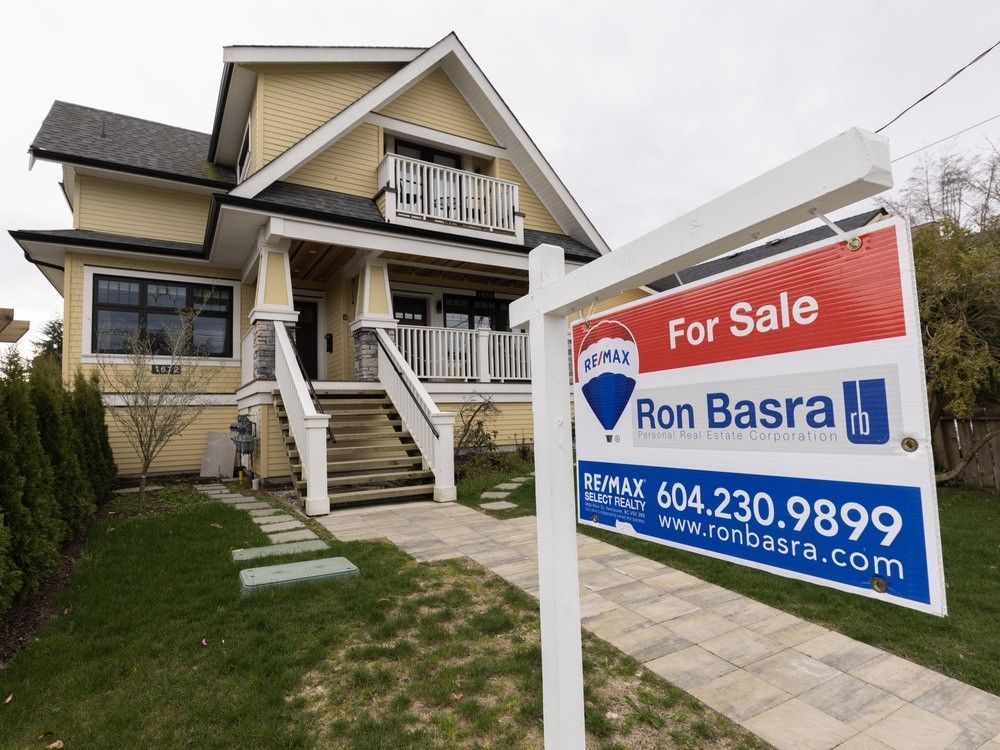
VANCOUVER, British Columbia — Home sales across British Columbia took a notable dip in March, according to the B.C. Real Estate Association, with industry experts pointing to a combination of economic slowdown and international tensions as key culprits behind the slowdown.
The association released its monthly report on Tuesday, revealing that residential sales fell 3.6 percent compared to March of the previous year. That figure also marked a stark 35 percent decline from the 10-year average for the month, signaling what the group described as a "very challenging economic environment." The slump comes amid broader concerns over global instability, including the ongoing U.S. war in Iraq, which has rippled through financial markets and heightened uncertainty for potential homebuyers.
Average home prices in the province also edged downward, dropping two percent to $939,846 from $959,236 recorded in March 2025. This softening in prices offers some relief to affordability-strapped buyers but underscores the broader cooling in demand. In Metro Vancouver, a key hotspot for real estate activity, the average price slipped three percent year-over-year to $1,201,123, down from $1,238,128 the prior March. Further south in the Fraser Valley, the decline was even more pronounced, with prices falling six percent to $967,114 from $1,032,288.
Brendon Ogmundson, the B.C. Real Estate Association's chief economist, attributed much of the downturn to external pressures. "Global conflict is leading to rising mortgage rates, and paired with a sluggish economy, B.C. faces challenges for a housing market recovery," Ogmundson said in a statement. He added a note of cautious optimism, suggesting that underlying factors could pave the way for improvement. "Improved affordability and pent-up demand should translate to an acceleration of activity, though the market will need a period of relative calm for households to build confidence," he explained.
The report's findings align with year-to-date trends, where the total dollar volume of residential sales in British Columbia has decreased 13 percent to $12.7 billion compared to the same period in 2025. This cumulative drop reflects a persistent hesitation among consumers, many of whom are grappling with higher borrowing costs and economic headwinds. Mortgage rates, influenced by central bank policies and global events, have climbed in recent months, making monthly payments less accessible for first-time buyers and families looking to upgrade.
British Columbia's housing market has long been one of Canada's most volatile, characterized by rapid booms and busts driven by factors like immigration, resource sector performance, and urban migration. The province's economy, heavily tied to forestry, mining, and tourism, has shown signs of sluggishness in recent quarters, with employment growth lagging behind national averages. Officials from the association noted that while March's figures represent a snapshot, they fit into a pattern of moderated activity following a post-pandemic surge in 2021 and 2022, when low interest rates fueled record-breaking sales.
In Metro Vancouver, where high prices have priced out many residents, the three-percent price drop offers a glimmer of stabilization. Real estate agents in the area, speaking on background, reported fewer open houses and longer days on market for listings. One agent, who requested anonymity due to ongoing negotiations with clients, said, "Buyers are waiting for more certainty—rates are up, and with everything happening overseas, no one wants to commit to a big purchase right now." This sentiment echoes Ogmundson's assessment, highlighting how geopolitical events are amplifying domestic economic woes.
The Fraser Valley, encompassing suburbs like Abbotsford and Chilliwack, has traditionally served as a more affordable alternative to Vancouver proper. However, the six-percent price decline there indicates spillover effects from the regional slowdown. Local realtors have observed increased inventory, with unsold homes lingering longer than in previous years. According to the association's data, sales in this area mirrored the provincial trend, contributing to the overall subdued activity.
Broader context reveals that Canada's housing market as a whole is navigating similar challenges. The Bank of Canada has held interest rates steady in recent meetings, but inflationary pressures tied to global supply chain disruptions—exacerbated by conflicts abroad—continue to influence lending conditions. In British Columbia, provincial policies aimed at cooling speculation, such as foreign buyer taxes and speculation levies, have also played a role in tempering demand since their introduction in 2016 and subsequent expansions.
Despite the current slump, some analysts see potential for rebound. Ogmundson's reference to pent-up demand points to households who delayed purchases during the height of economic uncertainty. If mortgage rates stabilize and international tensions ease, experts predict a pickup in spring and summer activity, traditionally peak seasons for real estate. The association's report emphasized that while March was soft, inventory levels remain balanced, avoiding the severe shortages seen in prior years.
Looking ahead, the B.C. Real Estate Association plans to monitor upcoming economic indicators closely, including employment data and consumer confidence surveys. Provincial officials have not yet commented directly on the March figures, but Finance Minister David Eby previously indicated in budget discussions that housing affordability remains a top priority. Initiatives like expanded rental assistance and incentives for new construction could indirectly support market recovery, though their impact on sales volumes is unclear.
The interplay between local economics and global events underscores the fragility of British Columbia's real estate sector. As one of Canada's most expensive housing markets, the province's trends often serve as a bellwether for national patterns. With sales down and prices softening, stakeholders are watching for signs of stabilization amid ongoing uncertainties.
In related developments, the association highlighted ancillary stories in its coverage, such as bulk sales of unsold condominiums in Vancouver, signaling developer adjustments to the cooling market. "The trend is starting now," one report noted, as builders seek to offload inventory built during the pandemic boom. Meanwhile, unrelated incidents at Vancouver International Airport and new business launches in the city provide a diverse backdrop to the economic narrative.
As British Columbia navigates these challenges, the hope is for a return to steadier growth. Ogmundson's words serve as a reminder that while the path forward may be bumpy, foundational elements like improving affordability could spark renewed interest. For now, the March data paints a picture of caution, with buyers and sellers alike holding back in a landscape shaped by both domestic and international forces.
The full implications of this slump will unfold in the coming months, as seasonal factors and policy responses come into play. Real estate professionals urge patience, emphasizing that markets are cyclical and resilient over the long term.