By Jessica Williams
The Appleton Times
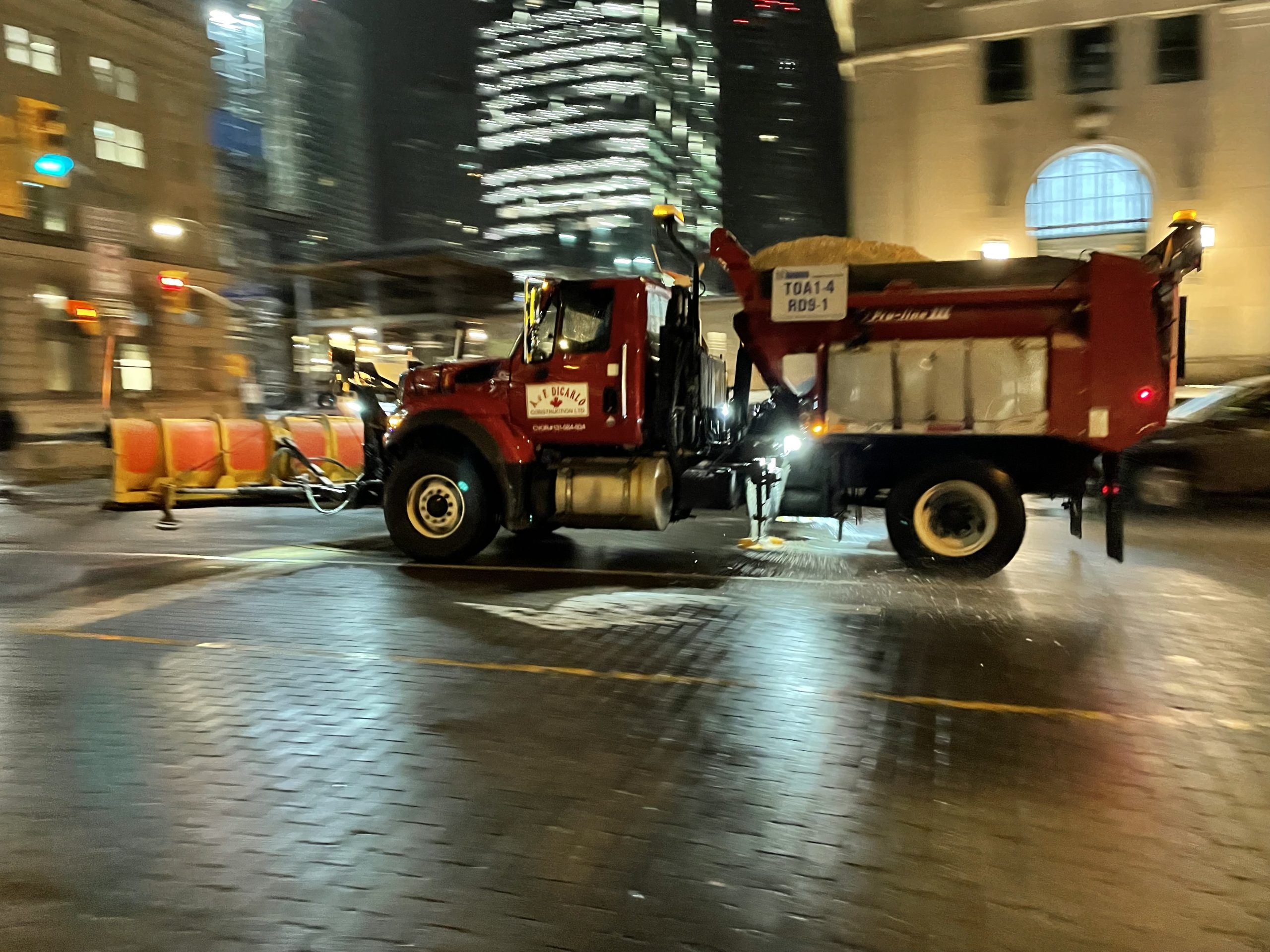
TORONTO — Private snow removal contractors across Ontario are grappling with a severe shortage of road salt this winter, the second such crisis in less than a year, as early-season storms have depleted supplies faster than anticipated. Rationing began even before the bulk of the snow arrived, forcing companies to scramble for alternatives and conserve what little they have. The issue, centered in the Greater Toronto Area and surrounding regions like Whitby, highlights the vulnerabilities in the supply chain for winter maintenance, particularly for those handling private properties amid a punishing early cold snap.
The shortage comes on the heels of an unusually active start to the season. Salting operations kicked off as early as November 9, the earliest in recent memory for many in the industry, according to Christopher Arnts, owner of Arnts The Landscaping Supplier in Whitby, Ontario. "We were salting on November 9 this year which is the earliest day that we’ve been salting since I’ve been in the industry," Arnts said in an interview. By early December, his suppliers notified him that they could no longer meet demand, prompting a frantic search for new sources to keep his customers stocked.
Alex Ferrante, with Gateway Landscape Group, echoed the urgency, describing the situation as a test of resourcefulness. “It’s a tough winter we’re going through right now,” Ferrante said. “It started early in November, and we just have to use it wisely.” For contractors like his, road salt — often called liquid gold during the colder months — has become increasingly scarce, with palettes running low not just for commercial use but potentially in retail stores as well.
The ripple effects are already being felt by consumers. Arnts took to Instagram on Tuesday to alert customers about the high demand and limited supply, a move that underscores the breadth of the problem. Major retailers are acknowledging the strain too. In a statement to CityNews, The Home Depot said, “We are actively working to manage inventory of rock salt and ice melt in our stores. Customers may also consider products for traction such as sand and gravel, and snow tools like shovels and snowblowers to manage winter weather.” This suggests that everyday shoppers might soon face empty shelves or higher prices for de-icing essentials.
This isn't the first time Ontario's private sector has been caught off guard. Last year, in February 2025, the province endured a significant road salt shortage, exacerbated by a barrage of winter storms that exhausted reserve supplies across the region. “We had a salt shortage last February, so that wiped out a lot of the reserve supplies in the area,” Arnts explained. That event left lasting scars, with production levels for the 2025-2026 season apparently calibrated based on milder winters prior to the stormy 2024-2025 period.
Industry experts point to a mismatch between historical weather patterns and recent realities as a key culprit. Joe Salemi, executive director of the Landscape Ontario Horticultural Trades Association, noted that salt production is typically forecasted using data from previous seasons. “Last year, we had a lot of snow events but the previous four winters of that, we didn’t get a lot of snow. So the production is based on that, at least that’s what we understand,” Salemi said. This lag in adjustment has left suppliers unprepared for the back-to-back harsh winters, turning what should be a routine supply into a bottleneck.
Compounding the scarcity is a sharp rise in costs. Wholesale prices for road salt have surged dramatically, from around $65 or $70 per ton to nearly $190 per ton, according to Salemi. This escalation is squeezing margins for contractors already under pressure to deliver reliable services. Moreover, there's an added layer of caution driving overuse: fear of liability. “There is a lot of pressure on private snow contractors, with companies feeling compelled to put down more salt than they need to for fear of liability,” Salemi added. In a litigious environment, erring on the side of excess can mean the difference between a safe walkway and a potential lawsuit, even as supplies dwindle.
Not everyone is feeling the pinch equally. The City of Toronto, responsible for salting public roadways, reports no disruptions in its operations. In a statement to CityNews, city officials confirmed they have secured consistent deliveries from three exclusive suppliers, ensuring infrastructure remains safe. This disparity has fueled frustration among private operators, who argue that municipal priorities are sidelining their needs. “The problem is the municipalities and the regions that salt the roadways are using so much salt they have to keep that salt available in priority for them in order to keep the roads safe for everybody and that comes to the detriment of the contractors that salting private properties,” Arnts said.
Arnts elaborated on the scale of the imbalance, pointing out that private properties — including parking lots and walkways — cover as much ground as public roads in many urban areas. “Municipal government is prioritized for salt deliveries over private contractors. They are buying more on average than private contractors, but there are as much private parking lots and walkways as there is roadways,” he noted. This prioritization, while understandable for public safety, leaves commercial and residential clients vulnerable to icy hazards, potentially increasing accident risks in non-public spaces.
The broader context reveals a supply chain strained by multiple factors. Ontario's road salt primarily comes from underground mines in regions like Goderich, but demand spikes from consecutive stormy winters have outpaced replenishment efforts. Environmental concerns also play a role; road salt runoff can harm waterways and ecosystems, leading to calls for more sustainable alternatives like calcium magnesium acetate. However, in the immediate term, contractors are sticking with what's available, rationing salt applications to stretch supplies through what could be a long season.
As of January 6, 2026, the situation remains fluid, with no immediate resolution in sight. Ferrante expressed cautious optimism tempered by realism. “Our worry is it’s only January. We still have a good two and a half months of winter. We hope it’s an early spring,” he said. Industry watchers like Salemi are monitoring imports from the United States and other provinces, but logistical challenges, including transportation bottlenecks, could prolong the shortage.
The implications extend beyond immediate safety. Small businesses reliant on clear parking lots and homeowners maintaining driveways could face higher costs or reduced services, potentially leading to economic ripple effects in winter-dependent sectors like landscaping and property management. Insurance claims from slip-and-fall incidents might rise if salt applications become inconsistent, adding financial strain to an already burdened industry.
Looking ahead, calls are growing for better forecasting and diversified supply strategies. The Landscape Ontario Horticultural Trades Association is advocating for policy adjustments to balance municipal and private needs, perhaps through regional stockpiles or incentives for alternative de-icing methods. For now, contractors are adapting on the fly — blending salt with sand for traction or adjusting schedules to minimize usage — but the uncertainty looms large as meteorologists predict more snow in the coming weeks.
In Whitby and beyond, the early warnings from suppliers like Arnts serve as a stark reminder of winter's unpredictability. As Ontario braces for the heart of the season, the road salt shortage underscores the need for resilience in the face of climate variability. Whether this prompts lasting changes in supply management remains to be seen, but for those on the front lines, survival means making every granule count.