In a ripple effect from the ongoing scrutiny of Jeffrey Epstein's connections, several U.S. school districts have canceled or altered plans for professional class photos, prompted by viral social media claims tying the photography company Lifetouch to the late financier. The controversy erupted after online posts highlighted links between Lifetouch and Apollo Global Management, whose former CEO, billionaire Leon Black, had acknowledged regular meetings with Epstein for financial advice. Schools in Texas and Arizona, among others, responded to parental concerns by scrapping sessions with Lifetouch, which photographs millions of students annually.
The issue gained traction in the wake of the U.S. Department of Justice's release of millions of Epstein-related files earlier this month, documents that have fueled renewed public interest in the financier's network of high-profile associates. Epstein, who died by suicide in August 2019 while awaiting trial on federal charges of sex trafficking and abuse involving dozens of underage girls, had been convicted in 2008 on related sex crimes. The newly unsealed records, totaling at least 1.7 million pages, detail Epstein's contacts with CEOs, journalists, scientists, and politicians long after his initial conviction.
At the center of the current uproar is Lifetouch, a subsidiary of Shutterfly, which was acquired in a $2.7 billion deal by funds managed by Apollo Global Management in September 2019—just a month after Epstein's death. Leon Black, who served as Apollo's CEO at the time of the acquisition, has been named extensively in the Epstein documents, with his name appearing approximately 8,200 times, though some of those may be duplicates. Black stepped down as CEO in March 2021, citing a desire to focus on his family, health, and other interests.
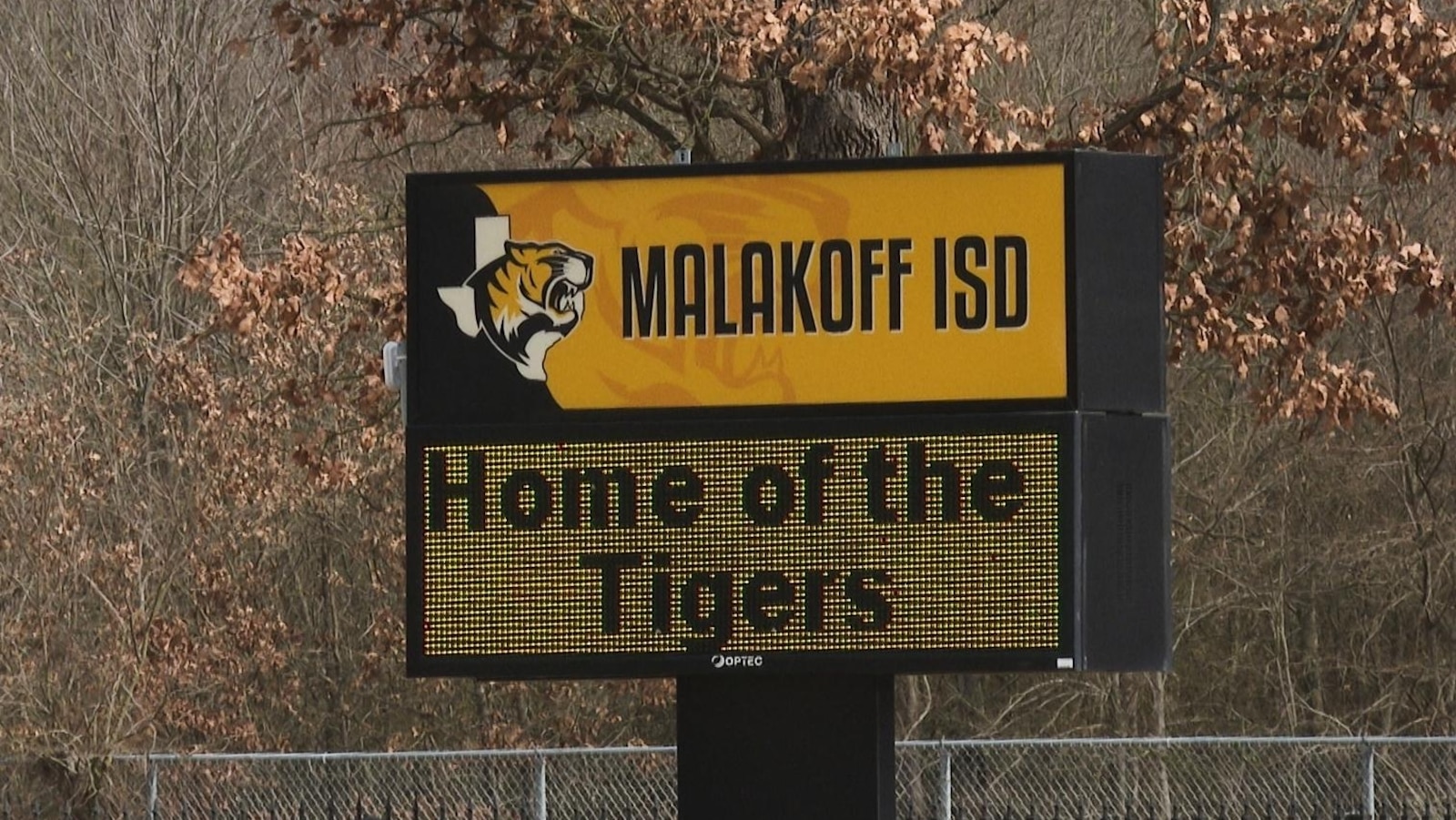
Social media users drew connections between Apollo's ownership and Lifetouch's access to student photos, sparking fears among parents about potential privacy breaches or worse. In Malakoff, Texas, a small town about 70 miles southeast of Dallas, the local school district canceled an entire student picture day after parents expressed discomfort with Lifetouch handling the sessions. District spokesperson Katherine Smith said in a statement emailed on Friday, “We decided our students and families would be best served by keeping all of our pictures in-house for the rest of this year, and we are looking at all of our options for the 2026-2027 school year.”
Smith's announcement came amid a wave of similar decisions across Texas. Schools in Howe, about 60 miles north of Dallas, and other districts postponed or replaced Lifetouch with in-house photographers. A charter school in Arizona also canceled its picture day, as announced on Facebook. The concerns centered on the personal data Lifetouch collects when parents order prints, including students' names, ages, grades, teachers, and schools.
One parent, MaKallie Gann, whose children attend schools in Howe, voiced her worries in an interview. “Whenever you order the pictures, it has their name. It has the age, of course. It has their grade, their teacher, the school that they’re in,” Gann said. She added that the Epstein associations amplified her unease about how much information the company gathers on children.
Lifetouch and Apollo have swiftly denied any improper links or access to student images. On Friday, Lifetouch issued a statement emphasizing the timeline of events and the separation between ownership and operations. “No Lifetouch executives have ever had any relationship or contact with Epstein and we have never shared student images with any third party, including Apollo,” the company said. It further noted that Apollo and its funds “have no role in Lifetouch’s daily operations and have no access to student images.”
Earlier in the week, Lifetouch CEO Ken Murphy addressed the claims directly in an Instagram post. Murphy stated that neither Black nor any of Apollo's directors or investors ever had access to Lifetouch photos, calling the online assertions “completely false.” Apollo echoed these sentiments, pointing out that the Shutterfly acquisition closed after Epstein's death and that Black's interactions with Epstein were personal, not related to the firm's business.
A 2021 internal review commissioned by Apollo's board, which Black himself requested, concluded that Epstein had provided personal advice to Black on matters like estate planning, taxes, charitable giving, and managing his family office. However, the report found “no evidence” that Black was involved in Epstein’s alleged criminal activities “in any way” or “at any time,” and confirmed that Epstein provided no services to Apollo and invested in none of its funds. News organizations reviewing the thousands of released Epstein documents have found no evidence that Epstein or anyone in his circle accessed Lifetouch photos.
The cancellations represent just one unintended consequence of the Epstein file disclosures, which have reignited debates about accountability among the elite figures in his orbit. Black, a prominent philanthropist and art collector, has faced lawsuits and scrutiny over his Epstein ties, including a settled defamation case and questions about payments he made to Epstein for advisory services totaling around $158 million between 2012 and 2017. Despite these, Black has maintained that his relationship with Epstein was strictly professional and advisory.
Education experts and privacy advocates have weighed in on the broader implications for school photography contracts. While Lifetouch dominates the market, serving over 30,000 schools and capturing images of more than 20 million students each year, incidents like this could prompt districts to diversify vendors or enhance data protections. The Family Educational Rights and Privacy Act (FERPA) already governs how schools handle student information, but parental fears often outpace regulatory reassurances.
In Texas, where the backlash appears most pronounced, state education officials have not issued statewide guidance but encouraged districts to communicate transparently with families. The Malakoff Independent School District, with around 1,200 students, emphasized community trust in its decision to go in-house. Similar sentiments were echoed in Arizona, where the charter school's Facebook post cited “recent concerns” without naming Epstein directly.
As the school year progresses, affected districts are scrambling for alternatives. Some have turned to local photographers or delayed photos until trust is restored. Lifetouch, meanwhile, continues operations elsewhere, insisting its privacy practices are robust and compliant. The company has not disclosed how many sessions have been impacted but described the situation as a “misinformation campaign” driven by social media.
Looking ahead, the episode underscores the enduring shadow of Epstein's legacy, even years after his death. With more documents potentially forthcoming from ongoing legal battles, such as the defamation suit involving Epstein accuser Virginia Giuffre, public sensitivity to any perceived links remains high. For parents like Gann, the priority is safeguarding children's data in an era of heightened digital awareness.
For school administrators, the disruptions serve as a reminder of how quickly online narratives can influence real-world decisions. As one Texas educator anonymously told reporters, “In the age of TikTok and Twitter, rumors spread faster than facts, and we're left picking up the pieces.” Whether this leads to lasting changes in the school photography industry or fades as a fleeting controversy remains to be seen.