CRANS-MONTANA, Switzerland — A joyous New Year's Eve celebration at a bustling bar in the upscale Swiss ski resort of Crans-Montana ended in unimaginable horror early on January 1, 2026, when a fire sparked by decorative sparklers ripped through the crowded venue, claiming at least 40 lives and injuring more than 100 others. The blaze, which authorities preliminarily attribute to sparkler candles placed on champagne bottles and held too close to the ceiling, turned the basement nightclub Le Constellation into a deadly trap, overwhelming emergency responders and local hospitals in one of the worst tragedies in recent Swiss history.
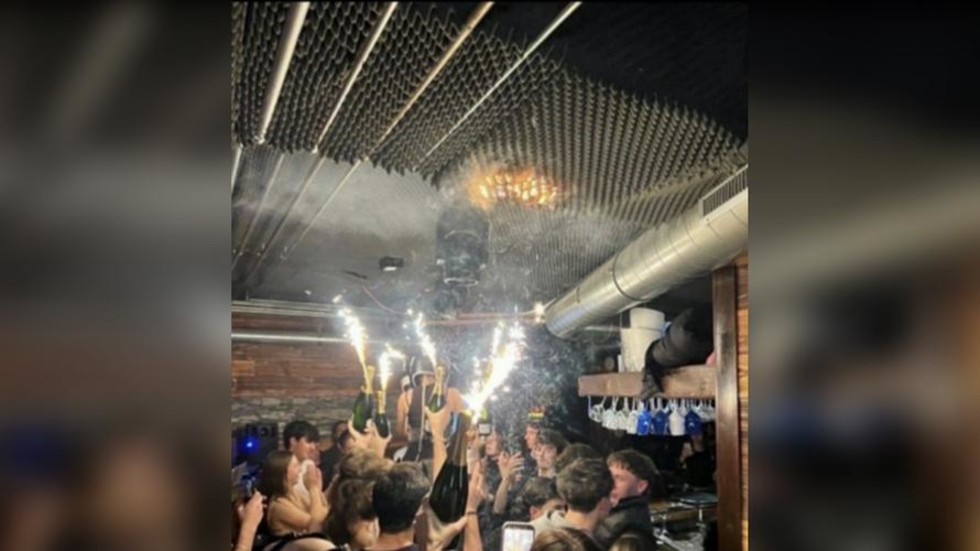
The incident unfolded around 1:30 a.m., as young revelers packed the bar to ring in the new year. According to Swiss authorities, the fire likely ignited when staff and patrons, in a festive display, lit sparklers atop champagne bottles and raised them high, inadvertently brushing against the low wooden ceiling lined with acoustic foam panels. "Sparkler candles or sparklers placed on bottles of champagne that were moved too close to the ceiling," officials said in a statement Friday, pointing to this as the probable cause based on initial evidence.
Witnesses recounted a scene that shifted from exuberance to panic in mere seconds. Photos and videos circulating online captured the moment: at least six bottles adorned with lit sparklers held aloft by partygoers, including one image showing a woman perched on another's shoulders, waving the bottles perilously close to the ceiling. In a newly surfaced video from inside the bar, people can be seen continuing to party and even filming as flames begin to lick at the anti-acoustic plastic foam overhead, the fire spreading with alarming speed.
The acoustic foam, intended to muffle the sounds of the nightclub, appears to have fueled the blaze's intensity. Officials are now probing whether the material met Swiss safety regulations, as such panels have been implicated in other rapid-fire incidents worldwide due to their flammable properties. One survivor, speaking anonymously to local media, described the chaos: "It was like a show at first, everyone cheering, but then the ceiling just erupted. People were screaming, pushing toward the door."
As the flames engulfed the basement space, patrons surged toward the narrow staircase and the single main exit, leading to a crush that compounded the tragedy. Some, trapped by the smoke and heat, smashed windows to flee, but the low ceiling and confined layout hindered escape. Emergency services arrived within minutes, but the fire's ferocity had already taken its toll, with reports indicating that the venue was at or near capacity, holding hundreds in the underground area.
Crans-Montana, a glamorous Alpine destination known for its luxury chalets, world-class slopes, and high-end nightlife, has long attracted international tourists seeking winter thrills. Le Constellation, a popular spot in the resort's village, was no exception, drawing crowds for its vibrant atmosphere and proximity to the slopes. The bar's basement setup, while cozy for dancing and drinks, proved disastrous in the crisis, highlighting ongoing concerns about fire safety in older European nightlife venues built before stricter codes.
By Friday, the death toll stood at 40, with authorities confirming that many victims suffered severe burns, complicating identification efforts. "The process of formally identifying the deceased victims has been slow and challenging," officials stated, noting that bodies were often unrecognizable and personal effects like wallets destroyed. To ensure accuracy, teams are relying on DNA analysis and dental records, a painstaking procedure expected to take several days. "We must be '100% sure' before informing families," they added, underscoring the emotional weight of the task.
Among the injured, 119 people were hospitalized, with a significant number in critical condition. Many of the burns require specialized care, involving multidisciplinary teams for skin grafts, infection control, and psychological support. Local hospitals in the Valais region were quickly overwhelmed, prompting transfers to burn units in Geneva and Lausanne. "Many of the 119 injured victims remain in life-threatening condition, described as 'still fighting for their lives,'" health officials reported, emphasizing the resource strain on Switzerland's medical system.
Investigators from the Swiss Federal Prosecutor's Office and local cantonal authorities have sealed off the site, combing through debris for clues. Early findings suggest no criminal intent, but questions linger about the bar's compliance with fire codes, including the use of potentially non-compliant foam and the adequacy of exits. The resort's management, operated by a local hospitality group, has expressed condolences but declined immediate comment pending the probe.
Family members of the victims, many of whom were young professionals and tourists from across Europe, have gathered in Crans-Montana, awaiting news in makeshift support centers. One father, whose daughter was among the missing, told reporters, "We came here for celebration, not this nightmare. How could something so small cause so much loss?" International condolences have poured in, with the Swiss government vowing a thorough review of nightlife safety standards nationwide.
This disaster evokes memories of other nightclub fires, such as the 2013 Kiss club blaze in Brazil that killed 242 or the 2003 Station nightclub fire in Rhode Island, USA, which claimed 100 lives, both exacerbated by flammable interior materials. In Switzerland, while rigorous building codes are in place, older venues in tourist hotspots like Crans-Montana sometimes skirt updates due to heritage considerations or cost. Experts note that sparklers, though common in celebrations, pose hidden risks in enclosed spaces, especially when combined with alcohol-fueled exuberance.
As the investigation unfolds, attention turns to prevention. Swiss fire safety advocates are calling for mandatory retrofits of acoustic materials in public venues and stricter oversight of pyrotechnic displays during holidays. The tourism board in Valais, which promotes Crans-Montana as a safe haven for winter sports, faces scrutiny over whether promotional materials adequately address nightlife risks. "This is a wake-up call for the entire industry," said one safety consultant, who requested anonymity.
In the broader context, the tragedy strikes at the heart of Switzerland's $20 billion tourism sector, which relies heavily on winter festivities to draw visitors. With the 2026 season just beginning, officials are bracing for impacts on bookings and public confidence. Prime Minister's office issued a statement expressing national mourning and committing resources to support affected families, while counseling services have been expanded for survivors and witnesses.
Recovery efforts are underway, with community vigils planned in Crans-Montana and Geneva. The human cost extends beyond the numbers: lost futures, shattered families, and a resort community reeling from grief. As forensic teams work tirelessly, the hope is that lessons from this preventable loss will safeguard future celebrations, ensuring that New Year's Eve evokes joy, not sorrow.
For now, the Alpine air in Crans-Montana carries a somber chill, a stark contrast to the fireworks that lit the sky just days ago. Authorities urge patience as identifications proceed, promising transparency in the coming weeks. The story of Le Constellation serves as a grim reminder of the thin line between festivity and fatality in crowded, festive settings.