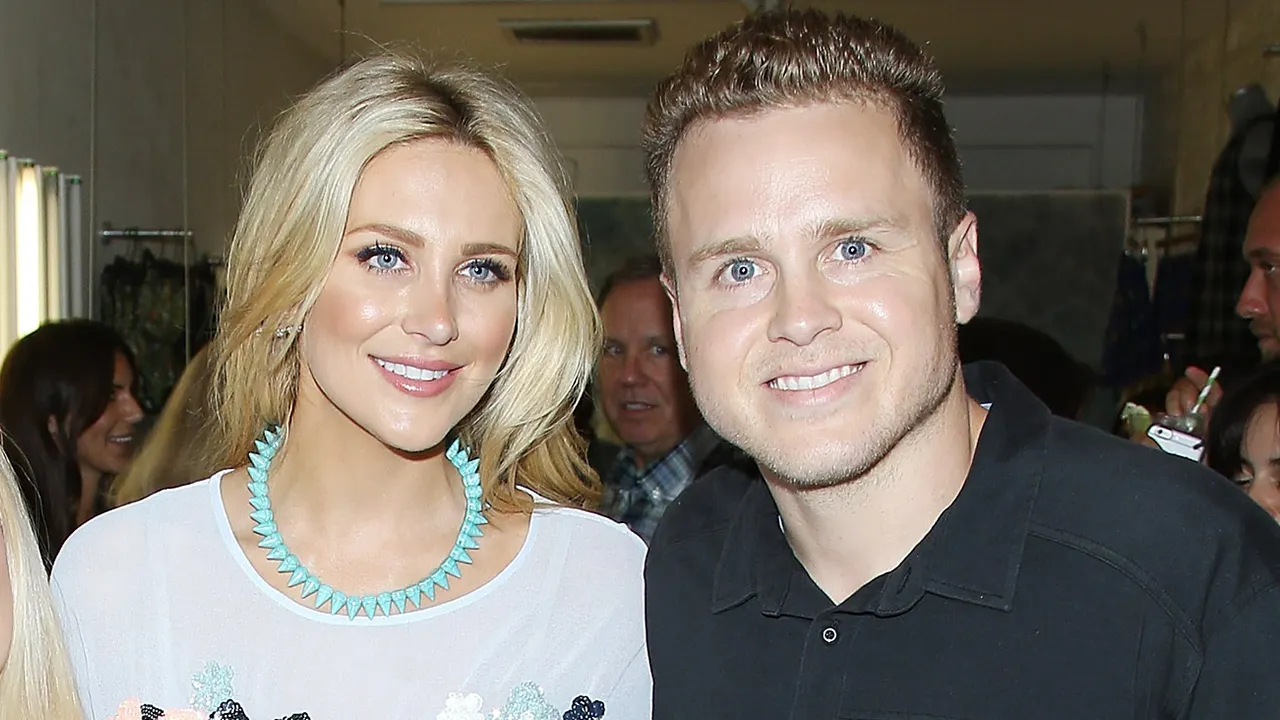
Los Angeles, CA – Spencer Pratt, the reality television star best known from MTV's 'The Hills,' has thrown his hat into the ring for mayor of Los Angeles, announcing his candidacy last month on the one-year anniversary of the devastating wildfires that ravaged the city. Despite garnering what he describes as quiet backing from Hollywood elites and community leaders in Pacific Palisades, Pratt faces stiff opposition from within his own family, particularly his sister Stephanie Pratt, who has publicly urged voters to reject his bid.
The announcement came amid a politically charged atmosphere in Los Angeles, where incumbent Mayor Karen Bass has drawn sharp criticism for her handling of issues like homelessness, crime, and disaster recovery. Pratt, 44, positioned himself as a bold outsider ready to shake up City Hall, vowing in interviews to collaborate with federal authorities on immigration enforcement and to address the city's mounting crises head-on. 'I'm worried about LA. I have no problem playing government but our city needs help,' Stephanie Pratt wrote in a post on X, echoing broader frustrations even as she dismissed her brother's qualifications.
The catalyst for Pratt's political ambitions traces back to January 2025, when wildfires tore through Pacific Palisades, a wealthy coastal enclave in western Los Angeles. Pratt and his wife, Heidi Montag, lost their home in the blazes, as did his parents. The fires, which claimed multiple lives and destroyed hundreds of structures across the region, left scars that Pratt says compelled him to act. In a recent interview with Fox News Digital, he explained that watching the political response to the disaster – and the lack of challengers to Bass – made running for office feel inevitable. 'And then when I saw that nobody was stepping up to run against Mayor Karen Bass in the last month or so, I had to do it,' Pratt said. 'Again, it’s God’s timing.'
Pratt's post-fire activism in Pacific Palisades has earned him praise from some locals. He has been involved in community recovery efforts, including fundraising and advocacy for better fire prevention measures. Stephanie Pratt acknowledged this in her X posts, writing, 'Spencer has done great work for the palisades.' Yet she drew a firm line at his mayoral aspirations, portraying him as an opportunist leveraging the tragedy for personal gain. 'But LA does not need another unqualified and inexperienced mayor. A vote for him is a vote for stupidity,' she stated bluntly.
The siblings' rift runs deeper than policy disagreements, rooted in a troubled family history that Stephanie aired publicly. She recounted a violent incident from their youth, claiming, 'Everyone saying I should support him no matter what. Sorry he beat me up when I was 18 & put me in the hospital. So no he doesn’t belong in the government.' This allegation adds a personal dimension to the feud, highlighting tensions that have simmered since their reality TV days. Stephanie, also a 'Hills' alum, has built her own public profile through books and podcasts, often discussing family dynamics.
'He's just trying to stay famous and sell his memoir don't be fooled,' Stephanie wrote, linking Pratt's campaign to the simultaneous release of his autobiography, 'The Guy You Loved to Hate.' She suggested the timing was calculated for publicity, musing about an 'ideal world' where Pacific Palisades could have its own mayor and police department, separate from the broader city's woes. 'Leopards never change their spots. Stay in the palisades Spencer,' she concluded.
Pratt, undeterred, frames his campaign as a divine intervention intertwined with his memoir's development. He told Fox News Digital that the book's writing began shortly after the fires, evolving over the past year into a narrative of personal and civic redemption. 'The timing of the mayor and the book — that’s God’s timing because the book actually came together right after the fires over a year ago,' he said. 'So, the writing’s been happening all year.' The memoir, set for release soon, reportedly delves into his life lessons from fame, family strife, and recent hardships, positioning Pratt as a reformed figure ready for public service.
Beyond family drama, Pratt claims a groundswell of covert support from unexpected quarters. He alleges that A-list celebrities, wary of backlash in liberal-leaning Hollywood, have approached him privately to express admiration for his critiques of state and local leadership. 'I know actual A-list stars support what I do, because I’ve been at restaurants, and they sit down at the table, and they quiz me about everything that I know for 20 minutes and thank me,' Pratt recounted. According to him, these encounters reveal a fear of professional repercussions: 'But these people know if they do that publicly, they risk losing their careers that some of them have been working for 30 years to have.'
Pratt drew parallels between Hollywood's silence and the reticence of public employees, like firefighters, who he says withhold truths due to retaliation fears. 'So, I don’t judge them,' he added. 'It’s just the same with firefighters that don’t come forward with the truth because of retaliation. There’s no difference between public employees who know what’s going on and celebrities. Everyone sees what’s happening, but everyone’s scared to talk.' This narrative of widespread private agreement but public isolation underscores Pratt's self-portrayal as a truth-teller standing alone against entrenched powers.
His platform emphasizes practical governance over celebrity flair. Pratt has pledged to work with federal agencies, including Immigration and Customs Enforcement (ICE), to enforce immigration laws – a stance that contrasts with Los Angeles' sanctuary city policies under Bass. He has also criticized the mayor's approach to the wildfires' aftermath, pointing to slow rebuilding efforts and inadequate support for displaced residents. Community support in Pacific Palisades appears to be growing, with local reports of endorsements from neighborhood groups appreciative of his hands-on recovery work.
Yet Stephanie's opposition highlights a skepticism that could ripple beyond the family. Political analysts note that Pratt's lack of traditional experience – no prior elected office or policy background – makes his candidacy a long shot in a city of 4 million. Bass, a former congresswoman with deep ties to Democratic leadership, won re-election bids comfortably in the past, though recent polls show her approval dipping amid ongoing challenges like a surge in homelessness and traffic congestion. Pratt's entry, while unconventional, injects entertainment-world energy into a race that had seemed predictable.
The wildfires of January 2025 remain a poignant backdrop, having scorched over 10,000 acres and forcing evacuations across Los Angeles County. Officials reported at least five fatalities and damages exceeding $1 billion, with Pacific Palisades hit particularly hard due to its hilly terrain and dry brush. Pratt's personal losses – his family's homes reduced to ash – have fueled his rhetoric, but critics like Stephanie question whether grief translates to governance acumen.
As the campaign heats up, Pratt plans town halls in Pacific Palisades and broader Los Angeles neighborhoods to build momentum. He has teased policy details in his memoir, including ideas for streamlined disaster response and economic revitalization. Stephanie, meanwhile, continues to engage followers on X, amplifying her call to focus on experienced leaders. The family's public spat has drawn media attention, reminiscent of their 'Hills' heyday, but Pratt insists his focus is on LA's future, not past drama.
Looking ahead, the mayoral race could see more entrants if Pratt's buzz sustains. With the election likely in 2026, his bid tests whether celebrity activism can translate to the ballot box in a city grappling with inequality and environmental threats. For now, the Pratts' divided voices encapsulate the high stakes: one family's discord mirroring a city's search for direction.
Whether Pratt's 'God's timing' will align with voters remains to be seen, but his campaign has already sparked conversations about accountability in Los Angeles leadership. As he navigates family backlash and builds grassroots support, the former villain of reality TV seeks to rewrite his story – and perhaps the city's – one policy promise at a time.