APPLETON, Wis. — Strikes across the Middle East escalated overnight, drawing international concern as the strategically vital Strait of Hormuz remained under lockdown, according to reports from CBS News. Iranian-backed Houthi rebels in Yemen claimed responsibility for a missile launch aimed at Israel, while U.S. military officials confirmed that 10 American service members sustained wounds in related clashes. The developments come amid heightened tensions in the region, where ongoing conflicts involving proxy groups have disrupted global shipping lanes and threatened energy supplies.
The Strait of Hormuz, a narrow waterway between Iran and Oman that serves as a chokepoint for about 20% of the world's oil trade, has been effectively closed to commercial traffic for several days, sources said. Iranian forces reportedly enforced the lockdown in response to recent airstrikes by a U.S.-led coalition targeting Houthi positions. This closure has already caused oil prices to spike by more than 5% in early trading on Wednesday, with analysts warning of potential broader economic fallout if the situation persists.
Houthi spokespersons, speaking through their media channels, asserted that the missile strike on Israel was a retaliatory action against perceived aggressions by Israeli forces in Gaza and Lebanon. "We will continue to defend our allies and strike at the heart of the Zionist entity," a Houthi military official stated in a video message circulated on social media, according to CBS News reporting. The group, which controls much of Yemen including the capital Sanaa, has been engaged in a years-long civil war but has expanded its operations to target shipping in the Red Sea and now, reportedly, deeper into Israeli territory.
On the U.S. side, the Pentagon acknowledged the injuries to 10 service members, describing the incident as occurring during defensive operations near the Bab el-Mandeb Strait, a key entry point to the Red Sea. A defense department spokesperson said the wounded personnel were evacuated for medical treatment and that their conditions ranged from minor to serious, though all were reported stable. "Our forces remain vigilant and prepared to respond to any threats," the spokesperson added, emphasizing the U.S. commitment to protecting international waterways.
The broader context of these strikes traces back to the escalation following the October 7, 2023, Hamas attack on Israel, which prompted a full-scale Israeli military response in Gaza. The Houthis, aligned with Iran and part of the so-called Axis of Resistance, began launching drones and missiles at Israel in solidarity with Palestinians. Since then, more than 50 such attacks have been recorded, according to Israeli defense sources, though many were intercepted by advanced air defense systems like the Iron Dome.
Iran's role in the current crisis cannot be understated. Tehran has long provided financial, military, and logistical support to the Houthis, including advanced weaponry capable of reaching hundreds of miles. U.S. intelligence reports, cited in various media outlets, indicate that Iranian Revolutionary Guard Corps advisors are embedded with Houthi units, coordinating strikes. Iranian officials, however, denied direct involvement in the latest missile launch, with a foreign ministry spokesman claiming it was an independent Houthi operation.
The lockdown of the Strait of Hormuz marks a dangerous new phase. Historically, the strait has been a flashpoint; in 2019, Iran seized a British tanker there amid sanctions disputes, and attacks on shipping attributed to Iranian proxies led to U.S. naval deployments. Today, with the waterway closed, supertankers are rerouting around the Cape of Good Hope, adding weeks to voyages and inflating shipping costs by up to 30%, per industry estimates from Lloyd's List.
International reactions poured in swiftly. The United Nations Security Council scheduled an emergency session for Thursday to address the Hormuz closure, with Secretary-General António Guterres calling it "a grave threat to global stability." European Union foreign ministers, meeting in Brussels, condemned the Houthi actions and urged de-escalation, while pledging additional naval support to the U.S.-led Operation Prosperity Guardian, which patrols the Red Sea.
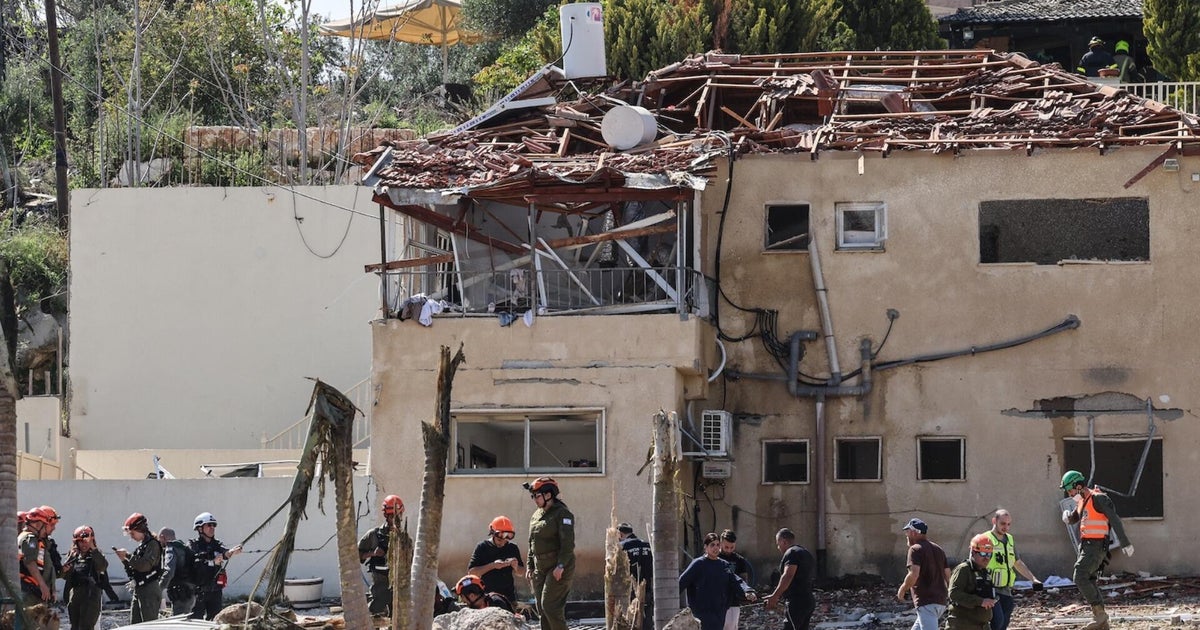
In Israel, Prime Minister Benjamin Netanyahu's office issued a statement vowing retaliation. "Any attack on our sovereignty will be met with overwhelming force," it read, according to Israeli media. The military reported successfully intercepting the Houthi missile over the Negev Desert around 2 a.m. local time, with no casualties or damage on Israeli soil. Air raid sirens sounded in southern communities, heightening public anxiety amid the multi-front war.
U.S. President Joe Biden, addressing reporters at the White House, described the events as "concerning but contained." He reiterated that American forces would not seek a wider war but would defend allies and interests. "We're working diplomatically to reopen the strait and hold aggressors accountable," Biden said. Meanwhile, Republican lawmakers criticized the administration's approach, with Senate Minority Leader Mitch McConnell arguing for stronger sanctions on Iran.
The human toll extends beyond the immediate strikes. In Yemen, Houthi-controlled areas have seen increased airstrikes by the Saudi-led coalition, backed by U.S. logistics until recently. Humanitarian organizations like the International Red Cross reported that over 1,000 civilians have been displaced in the past week due to intensified fighting. "The lockdown is exacerbating an already dire humanitarian crisis," a Red Cross spokesperson noted.
Economically, the implications are profound. With the Strait of Hormuz handling 21 million barrels of oil daily, its closure could push Brent crude above $100 per barrel, economists at Goldman Sachs projected. Countries like Japan and South Korea, heavily reliant on Gulf oil, are scrambling to tap strategic reserves. In the U.S., gas prices at the pump could rise by 20-30 cents per gallon within days, according to the Energy Information Administration.
Experts on Middle East affairs offered varied perspectives. "This is Iran's way of testing resolve without direct confrontation," said Vali Nasr, a professor at Johns Hopkins University, in an interview with CBS News. Conversely, a former U.S. ambassador to Yemen argued that Houthi autonomy is overstated, pointing to intercepted communications showing Iranian orchestration.
As the sun rose over the Persian Gulf on Wednesday, naval vessels from multiple nations positioned themselves near the strait, monitoring for any Iranian moves. Diplomatic channels buzzed with urgent talks, including backchannel communications between Washington and Tehran via Oman. Whether these strikes signal the start of a larger conflict or a contained escalation remains unclear, but the world watches closely.
Looking ahead, analysts predict that reopening the Strait of Hormuz will require a delicate balance of military deterrence and negotiation. The U.S. has signaled readiness for targeted strikes on Iranian assets if the lockdown continues, while Gulf states like Saudi Arabia and the UAE called for unity against "extremist threats." For now, the Middle East's fragile peace hangs in the balance, with every missile and diplomatic overture carrying the weight of potential global repercussions.