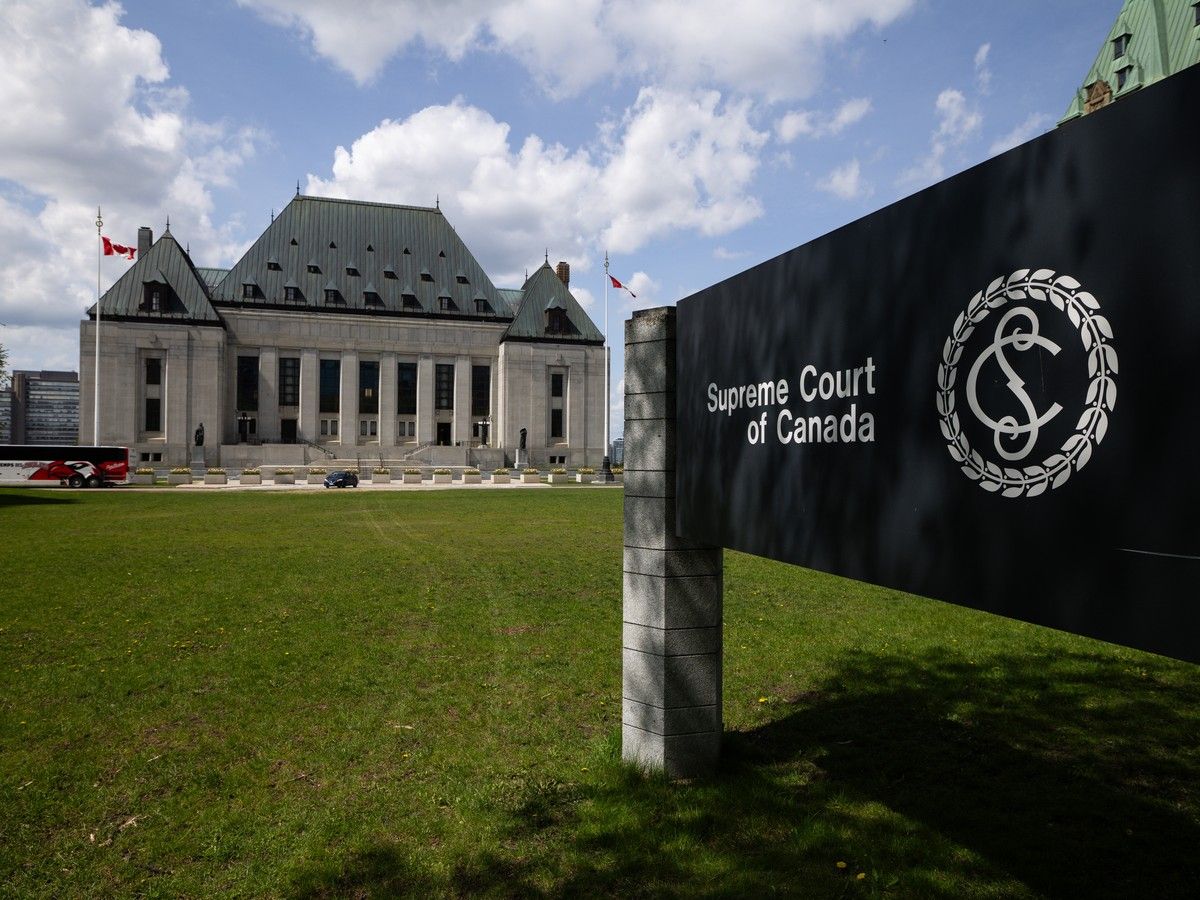
The Supreme Court of Canada has agreed to hear British Columbia's appeal of a provincial court ruling that found the Mineral Tenure Act inconsistent with the Declaration on the Rights of Indigenous Peoples Act, or DRIPA, a decision the province argues effectively brought the declaration into law all at once.
The high court made the announcement without setting a hearing date or providing reasons for accepting the case. The underlying dispute stems from a 2-1 decision by the B.C. Court of Appeal last December that upended the Mineral Tenure Act and raised questions about how reconciliation with First Nations should proceed.
B.C. Premier David Eby has repeatedly warned that the ruling shifts too much authority to judges. “To be frank, it is absolutely crucial that it is British Columbians through their elected representatives that remain in control of this process, not the courts,” Eby said shortly after the appeal court decision. He added that too much rides on the outcome for the province’s prosperity and certainty.
According to Eby, at least 20 other cases have already been amended to reference the ruling, potentially exposing additional provincial laws to challenges under DRIPA. The legislation was originally designed to gradually align B.C. laws with the United Nations Declaration on the Rights of Indigenous Peoples, but the premier has argued the court decision accelerates that process dramatically.
Gitxaała Chief Councillor Linda Innes offered a sharply different view. She said the decision simply means the Mineral Tenure Act is outdated and must be updated to incorporate free, prior and informed consent. “We see that there are projects that are succeeding when nations are involved early under DRIPA principles, and DRIPA can definitely strengthen collaborative land use and resource planning,” Innes said after the province launched its appeal.
Innes urged the premier to focus on making DRIPA work rather than challenging the ruling or seeking legislative changes. She noted that the framework fails only when government and industry refuse to implement it fully.
Eby initially explored amendments to DRIPA that would clarify the courts’ role, then considered a suspension of parts of the law. Both approaches drew opposition from Indigenous leaders. Vancouver-Strathcona MLA Joan Phillip informed the premier she would not support a suspension, and other MLAs raised concerns privately, according to sources familiar with the discussions.
By April, Eby had backed away from the suspension plan. Attorney General Niki Sharma and Indigenous Relations Minister Spencer Chandra Herbert were instead tasked with spending the summer consulting First Nations on a path forward.
B.C. Conservative interim leader Trevor Halford said his party’s position remains unchanged and called for full repeal of DRIPA. He criticized the NDP government’s handling of the file as a crisis in leadership marked by repeated reversals. “When it comes to flip-flopping, nobody has done that more, better, than this premier, than this NDP government,” Halford told question period. “On a file as important as DRIPA, the premier has changed his position not once, not twice, not three times, not four times, not five times — six times in under four months.”
The case now heads to Canada’s highest court at a time when resource development, Indigenous rights and provincial jurisdiction remain flashpoints across British Columbia. No timeline has been released for arguments, leaving uncertainty for industry, First Nations and the provincial government alike.
Observers note that the Supreme Court’s eventual ruling could clarify the legal weight of DRIPA and set precedents for how other provinces approach similar declarations. In the meantime, officials in Victoria continue internal discussions while awaiting further direction from the court.