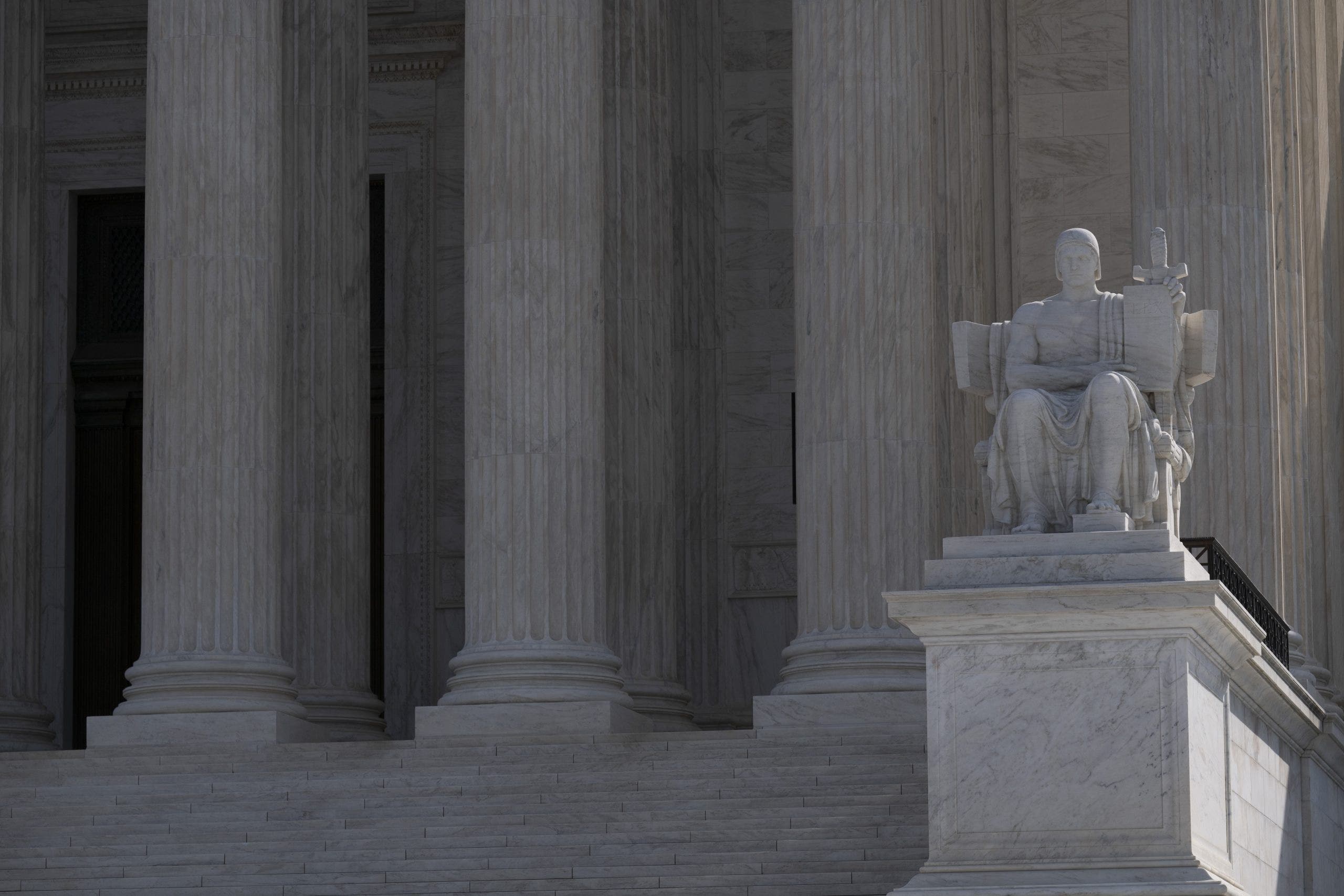
In a significant decision for the energy industry, the Supreme Court on Friday ruled in favor of Chevron USA Inc., allowing the oil giant to shift a long-standing environmental lawsuit from Louisiana state court to federal court. The 7-2 ruling in Chevron USA Inc. v. Plaquemines Parish centered on the application of the federal officer removal statute, which permits defendants acting under the direction of federal officers to remove cases to federal jurisdiction. The justices vacated a lower court's determination that had kept the case in state court and remanded it for further proceedings, marking a procedural victory for Chevron amid broader debates over environmental regulation and corporate liability.
The case stems from a 2022 lawsuit filed by Plaquemines Parish, a coastal Louisiana community, accusing Chevron of contributing to environmental damage through its operations. According to court documents, the parish alleged that Chevron's activities, including oil and gas extraction, exacerbated coastal erosion and pollution in the Mississippi River Delta region. This area, vital for both ecology and economy, has lost thousands of acres of wetlands over decades, with studies from the U.S. Geological Survey estimating that Louisiana's coastline recedes by about 16 square miles annually due to a combination of natural subsidence and human impacts like dredging and fossil fuel production.
Chevron, one of the world's largest energy companies with annual revenues exceeding $200 billion, argued that its actions were taken under federal oversight, particularly through leases and permits issued by agencies like the Bureau of Ocean Energy Management. The company invoked 28 U.S.C. § 1442, the federal officer removal statute, which has roots in Civil War-era protections for government contractors. This law allows removal when a defendant claims it was acting under a federal officer's authority, a provision that has been increasingly litigated in environmental and product liability cases.
The lower court, the U.S. District Court for the Eastern District of Louisiana, had ruled against removal in 2023, determining that Chevron's involvement did not sufficiently qualify under the statute. That decision kept the case in state court, where plaintiffs often face juries potentially more sympathetic to local environmental concerns. Chevron appealed to the Fifth Circuit Court of Appeals, which certified the question to the Supreme Court, highlighting the national importance of clarifying the removal statute's scope.
Writing for the majority, Justice Brett Kavanaugh emphasized the statute's broad language, stating that it applies to private contractors who assist federal officers in their duties. "The federal officer removal statute is clear: it covers all cases where the removing party acted under the direction of a federal officer," Kavanaugh wrote in the opinion released Friday. This interpretation aligns with recent Supreme Court trends favoring federal jurisdiction in cases involving national policy, such as energy production on public lands.
Dissenting justices Sonia Sotomayor and Ketanji Brown Jackson argued that the majority's reading could open the floodgates for corporations to evade state courts. "This expansive view risks undermining state sovereignty in environmental matters that have profound local impacts," Sotomayor wrote, joined by Jackson. The dissent pointed to the statute's historical intent to protect federal actors during wartime, not to shield private companies from routine litigation.
The ruling comes at a pivotal time for Chevron, which has faced mounting legal challenges over its environmental footprint. In 2021, the company settled a $55 million case with the U.S. Environmental Protection Agency for Clean Air Act violations at its Pascagoula refinery. More recently, Chevron has been embroiled in disputes over its acquisition of Hess Corp., scrutinized by antitrust regulators. This Supreme Court win could streamline defenses in similar suits, potentially saving millions in legal costs by avoiding unpredictable state juries.
Plaquemines Parish officials expressed disappointment but vowed to continue the fight. Parish President Kirk Ortego stated in a prepared release, "We are committed to holding polluters accountable for the damage they've caused to our coastline, regardless of the forum." The parish, home to about 26,000 residents, relies heavily on oil and gas for jobs but has increasingly prioritized restoration efforts, securing over $1 billion in federal funding through programs like the Gulf Coast Restoration Trust Fund established after the 2010 Deepwater Horizon spill.
Environmental advocates, while critical of the decision, see it as part of a larger pattern. The Sierra Club, which filed an amicus brief supporting the parish, noted that federal courts often apply more deferential standards to industry under doctrines like primary jurisdiction. "This ruling prioritizes corporate convenience over community justice," said Michael Brune, the group's executive director, in a statement Friday. Groups like the Natural Resources Defense Council have warned that such shifts could delay accountability for climate-related harms, with Louisiana's wetlands serving as a frontline buffer against hurricanes.
From Chevron's perspective, the decision reinforces the intertwined roles of federal and private sectors in energy development. Company spokesperson Ray Farris commented, "We appreciate the Court's clarification, which ensures that cases involving federal authorizations are handled appropriately." Chevron's operations in the Gulf of Mexico produce about 300,000 barrels of oil daily, contributing significantly to U.S. energy independence goals outlined in the Inflation Reduction Act of 2022.
The broader context of Chevron USA Inc. v. Plaquemines Parish intersects with ongoing Supreme Court scrutiny of administrative law. Just last term, the Court overturned the Chevron deference doctrine in Loper Bright Enterprises v. Raimondo, ending automatic judicial deference to agency interpretations of ambiguous statutes. While unrelated directly, this environmental case underscores the Court's willingness to intervene in regulatory disputes, potentially affecting how federal environmental laws are enforced.
Legal experts predict the remand could lead to renewed battles over discovery and evidence. The Fifth Circuit, known for its conservative bent, may now affirm removal, sending the case to a federal judge in New Orleans. Professor Richard Lazarus of Harvard Law School observed, "This is less about the merits and more about forum shopping, but it could influence how parishes across Louisiana pursue climate litigation." Similar suits have been filed against other majors like ExxonMobil and Shell, with over 2,000 such cases nationwide according to a 2023 report from the Sabin Center for Climate Change Law.
As the case progresses, it highlights tensions between local environmental protection and national energy policy. Louisiana, which produces 17% of U.S. crude oil, faces a delicate balance: fostering industry while addressing subsidence rates that threaten communities like Port Eads. Federal initiatives, including the $50 billion allocated for coastal restoration in the Bipartisan Infrastructure Law, aim to mitigate these issues, but litigation remains a key tool for local governments.
Looking ahead, the decision may prompt legislative responses. Senators from coastal states, including Louisiana's Bill Cassidy, have pushed for reforms to the removal statute to prevent perceived abuses. Cassidy's office indicated Friday that the ruling would be reviewed in upcoming energy committee hearings. Meanwhile, environmental groups plan to monitor the remanded proceedings closely, potentially appealing any adverse federal rulings back to the Supreme Court.
For now, the victory provides Chevron with procedural breathing room in a landscape of increasing scrutiny. As climate litigation surges—with damages claims exceeding $100 billion globally, per a UN Environment Programme analysis—the interplay between state and federal courts will remain a battleground. Plaquemines Parish's case, though paused on jurisdiction, symbolizes the high stakes for communities on the front lines of environmental change.