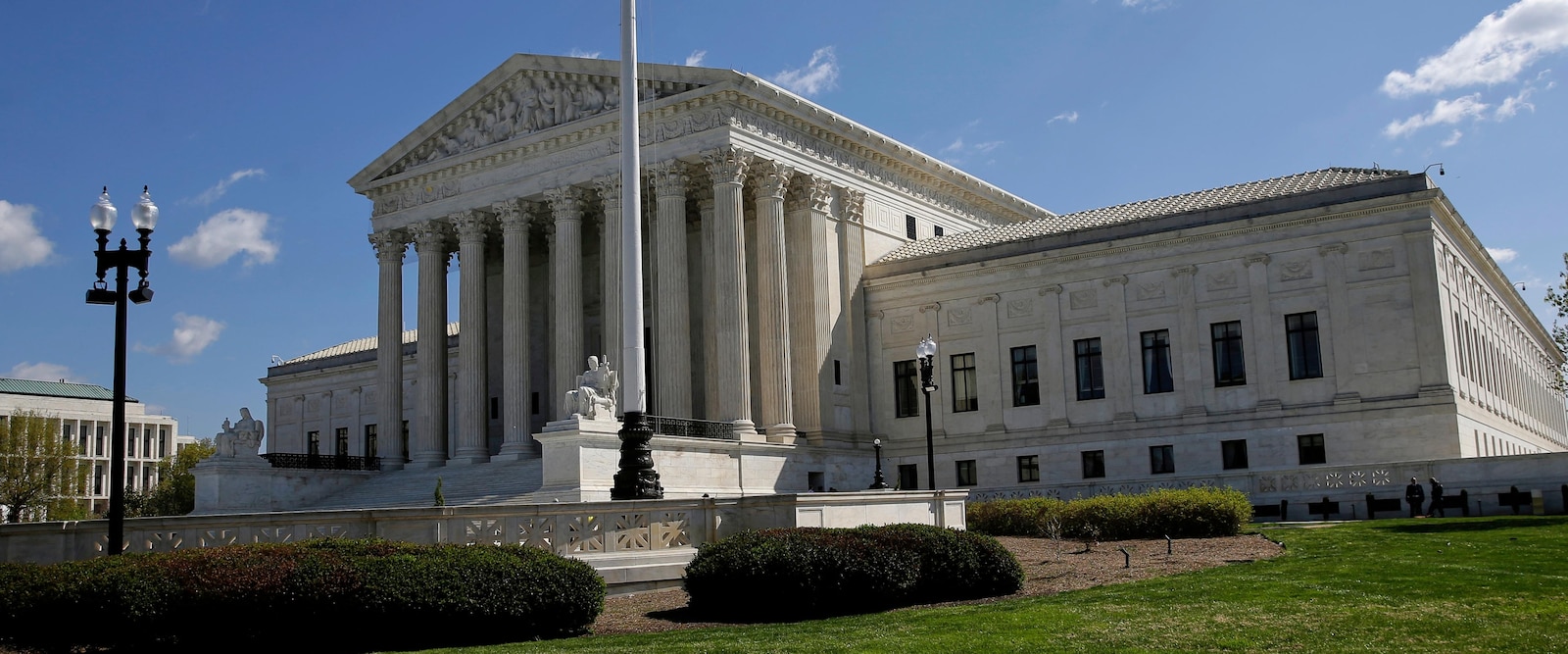
In a significant ruling for veterans' rights, the U.S. Supreme Court has revived a lawsuit filed by a wounded Army specialist against a major government contractor, allowing the case to proceed over allegations of negligence in a deadly suicide bombing in Afghanistan. The decision, handed down on Wednesday, centers on former Army Spc. Winston Hencely, who was gravely injured in 2016 when he confronted a suicide bomber at a military base, preventing what could have been a catastrophic attack during a public event.
The incident unfolded on November 11, 2016, at Bagram Airfield, a key U.S. military hub in Afghanistan, during a Veterans Day weekend 5K race organized for service members and civilians. According to court documents, Hencely spotted a suspicious individual, Ahmad Nayeb, approaching the crowded starting line with what appeared to be an explosive vest. Hencely intervened, stopping Nayeb just short of the race participants. In response, Nayeb detonated the device, killing himself and five others while wounding more than a dozen people, including Hencely.
Hencely's injuries were severe and life-altering. The blast's projectiles fractured his skull and tore through his brain, resulting in partial paralysis on the left side of his body, abnormal brainwaves, recurrent seizures, and a diagnosis of traumatic brain injury, his lawyers wrote in court filings. Once a fit and active soldier, Hencely now faces ongoing medical challenges that have profoundly impacted his daily life and future prospects.
The target of Hencely's lawsuit is Fluor Intercontinental, an Irving, Texas-based engineering and construction firm that was providing services at Bagram under a U.S. government contract. Nayeb, an Afghan national, was employed by Fluor as a worker on the base. An Army investigation following the bombing faulted the company for failing to properly supervise Nayeb, who reportedly assembled the suicide vest using materials on the job site inside the secure military facility, court documents state.
Hencely's legal action stems directly from those investigative findings. "The Army's report highlighted Fluor's lapses in oversight, which allowed this tragedy to occur," one of Hencely's attorneys, not named in the filings, emphasized in related statements. The veteran argues that the contractor's negligence directly contributed to the attack and his injuries, seeking accountability through the courts.
Fluor Intercontinental has countered that it is shielded from such lawsuits under the doctrine of government contractor immunity. The company maintained that because it was performing work for the U.S. military at the time, any claims against it should be barred, as the government itself enjoys sovereign immunity from most tort suits. This defense invokes longstanding legal protections for contractors operating in war zones, where operations are inherently tied to national security efforts.
The Supreme Court's intervention came after lower courts had dismissed Hencely's suit on immunity grounds. In a brief but pivotal order, the justices vacated those rulings and remanded the case for further consideration, effectively breathing new life into the veteran's claims. Legal experts note that this move signals the Court's reluctance to extend blanket immunity to private contractors without closer scrutiny of their independent actions.
To understand the broader context, it's worth recalling the extensive role of contractors like Fluor in U.S. military operations abroad. During the peak of the Afghanistan conflict, companies such as Fluor managed logistics, construction, and maintenance at bases like Bagram, which housed tens of thousands of troops at its height. By 2016, as the U.S. drawdown continued, these firms were integral to sustaining operations, but incidents of insider threats—such as attacks by local employees—highlighted vulnerabilities in vetting and supervision.
The Bagram bombing was not an isolated event. Afghanistan saw numerous green-on-blue attacks, where Afghan forces or workers turned on their American allies. According to military reports from that era, such incidents underscored the challenges of operating in a volatile environment, where cultural divides and insurgent infiltration posed constant risks. Hencely's case brings renewed attention to how contractors balance efficiency with security in these settings.
From Hencely's perspective, the lawsuit represents more than personal redress; it's a push for systemic change. "This isn't just about me—it's about ensuring that companies working for our military take their responsibilities seriously," Hencely said in a statement released by his legal team after the Supreme Court ruling. His attorneys argue that immunity should apply only to the government, not to private entities whose misconduct may fall outside official directives.
Fluor's stance, as articulated in court briefs, emphasizes the practicalities of wartime contracting. Representatives for the company have not commented extensively on the Supreme Court's order, but prior filings stressed that imposing liability could deter firms from taking on high-risk government projects. "Contractors operate under strict federal guidelines, and extending lawsuits like this would undermine national defense efforts," a Fluor spokesperson said in earlier proceedings.
The ruling arrives amid a landscape of evolving jurisprudence on contractor accountability. Similar cases have arisen from the Iraq and Afghanistan wars, including suits over convoy accidents and faulty equipment. In 2020, for instance, the Supreme Court addressed related immunity issues in a case involving a contractor's role in detainee mistreatment, declining to grant absolute protections. Hencely's revived suit could set precedents for how courts weigh negligence claims against security imperatives.
Looking ahead, the case will return to federal district court in Texas, where Fluor is headquartered. Legal observers anticipate a protracted battle, with discovery phases potentially revealing more about Nayeb's employment and the company's internal protocols. Hencely's team hopes to depose witnesses from the Army investigation, which could bolster their negligence claims.
Beyond the courtroom, the decision resonates with the veteran community. Advocacy groups like the Wounded Warrior Project have long called for greater oversight of contractors, citing statistics that show private firms handled up to 50 percent of U.S. logistics in Afghanistan by the mid-2010s. "This ruling validates the struggles of those injured in service-related incidents," said a representative from the organization, highlighting the need for robust legal avenues for redress.
As the U.S. reflects on two decades of war in Afghanistan, cases like Hencely's underscore lingering questions about accountability and support for those who served. With the Taliban back in control since 2021, the focus has shifted, but the human cost endures. For now, the Supreme Court's action offers Hencely a chance to pursue justice, potentially influencing how future conflicts are contracted and litigated.