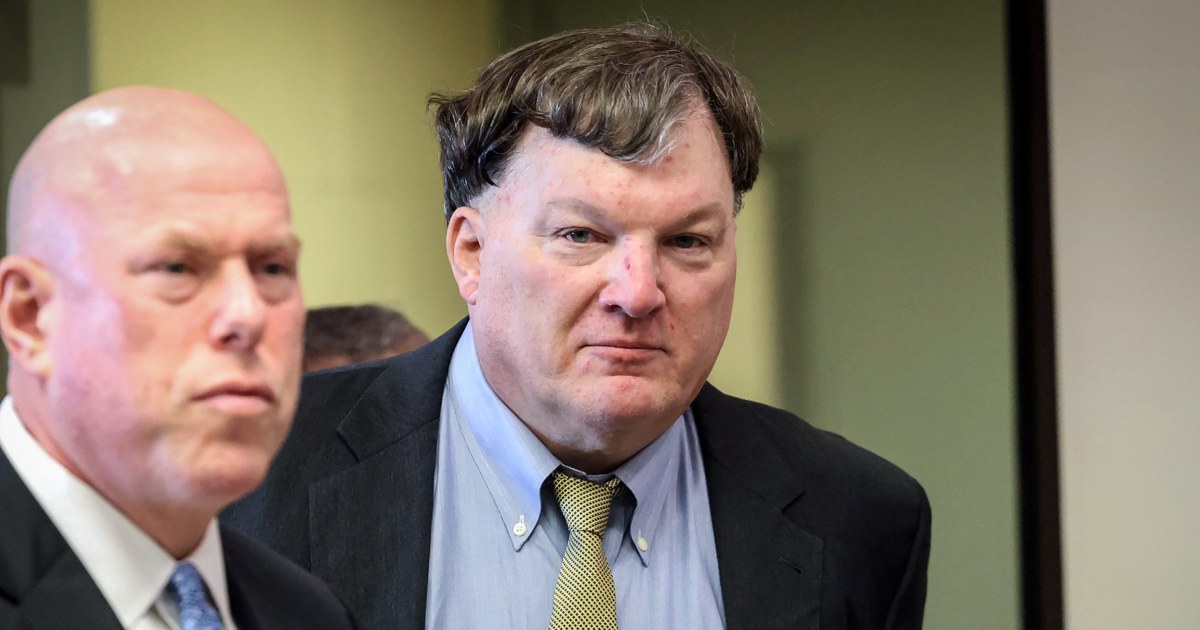
Rex Heuermann, the architect accused of murdering seven women in the notorious Gilgo Beach serial killings, is expected to plead guilty next month, according to sources familiar with the case. The development, first reported by Newsday and confirmed by multiple outlets, comes as Heuermann faces a court appearance on April 8 in Suffolk County, New York. If the plea proceeds as anticipated, it would bring a measure of closure to one of Long Island's most haunting unsolved mysteries, which has lingered for over a decade.
Heuermann, 60, was arrested in July 2023 in Massapequa Park, a quiet suburb in Nassau County where he lived with his wife and children. At the time, he was commuting to his job in Manhattan and was known locally as a family man. The charges shocked neighbors, who described him as unassuming. "He was just a regular guy," one anonymous resident told reporters after the arrest, though specific quotes from community members have been limited in recent coverage.
Initially, Heuermann was charged with three counts of first-degree murder in the deaths of Melissa Barthelemy, 24, who went missing from New York City in July 2009; Megan Waterman, 22, who disappeared from Hauppauge, New York, in June 2010; and Amber Costello, 27, who vanished from North Babylon, New York, in September 2010. Their remains were among those discovered wrapped in burlap along a remote stretch of Ocean Parkway near Gilgo Beach in December 2010 and the following months.
The investigation began when a police officer searching for Shannan Gilbert, a 23-year-old sex worker who had called 911 in a panic from Oak Beach in May 2010, stumbled upon the first set of bodies. Gilbert's death was later ruled an accidental drowning, but the discovery of at least 10 other remains—mostly female sex workers—unleashed a massive probe involving local, state, and federal authorities. Police have stated that not all the deaths are believed to be connected to a single perpetrator.
In January 2024, prosecutors added four more murder charges against Heuermann: for the killings of Maureen Brainard-Barnes, 25, who disappeared from New York City in July 2007; Jessica Taylor, 20, missing since July 2003 from Manhattan; Sandra Costilla, 28, whose partial remains were found in North Sea, Southampton, in November 1993; and Valerie Mack, 24, who went missing from Philadelphia in August 2000, with her remains discovered in Manorville and Gilgo Beach areas.
Sources close to the case, speaking to NBC News, indicated that Heuermann is set to enter his guilty plea on April 8. "He's expected to plead guilty in the serial killings April 8," one source familiar with the matter told reporters. Two additional sources confirmed this to NBC New York's Greg Cergol. Court records align with the date, showing a scheduled appearance, though neither the Suffolk County District Attorney's Office nor Heuermann's attorney has commented publicly on the plea.
Heuermann has maintained his innocence since his arrest, pleading not guilty to all charges. His trial was slated to begin in September 2024, but the potential plea could preempt that. In a recent ruling, Suffolk County Judge Timothy Mazzei allowed DNA evidence to be used at trial, rejecting defense efforts to suppress it. The evidence includes genetic material from a pizza crust discarded near Heuermann's office, which matched samples from the crime scenes.
The breakthrough in the case came in 2022 during a joint review by law enforcement agencies. Investigators zeroed in on a black Chevrolet Avalanche truck registered to Heuermann, which had been flagged by a witness during Costello's disappearance. Cellphone records placed the vehicle near the victims' last known locations, and hair found on the bindings around the bodies was linked to Heuermann through mitochondrial DNA.
The Gilgo Beach killings had gone cold for years after the initial frenzy in 2010-2011. Families of the victims, many of whom were estranged from their loved ones due to their work in the sex trade, expressed frustration over the delays. "We just want answers," said one family member in earlier interviews, though specific quotes tied to recent developments are scarce.
Heuermann's arrest reignited interest in the case, with documentaries and books revisiting the horror that gripped Long Island. The remains were found in a desolate area popular for birdwatching, hidden among the dunes and marshes. The victims' bodies were posed and bound, suggesting a methodical killer, according to investigators.
Prosecutors have described the evidence as overwhelming, built on years of forensic analysis. Beyond the DNA and cellphone data, authorities seized burner phones and other items from Heuermann's home during searches. His wife and children have not been implicated, and the family has kept a low profile since the arrest.
If Heuermann pleads guilty, it would resolve charges for seven of the 10-11 sets of remains found, leaving questions about any additional involvement in other deaths. Police continue to investigate whether he is connected to more unsolved cases from the era. "Not all those deaths are linked to the same person," officials have repeatedly stated.
The community of Massapequa Park, where Heuermann coached youth sports and lived a seemingly ordinary life, has grappled with the revelations. Neighbors recalled him as polite but distant. The case has prompted discussions about victim-blaming and the vulnerabilities faced by sex workers, with advocates calling for better protections.
As the April 8 date approaches, anticipation builds in Suffolk County courts. A guilty plea could lead to life sentences without parole, sparing the families a full trial but delivering long-sought justice. NBC News has reached out to the district attorney's office for confirmation, but no response was available at press time. Heuermann's legal team also did not immediately respond to requests for comment.
The Gilgo Beach saga, spanning from the 1990s disappearances to the 2023 arrest, underscores the persistence required in cold case investigations. For the victims' loved ones, the expected plea represents a pivotal moment after years of uncertainty. As one source put it, this could finally "bring some closure to a nightmare that has haunted Long Island for so long."