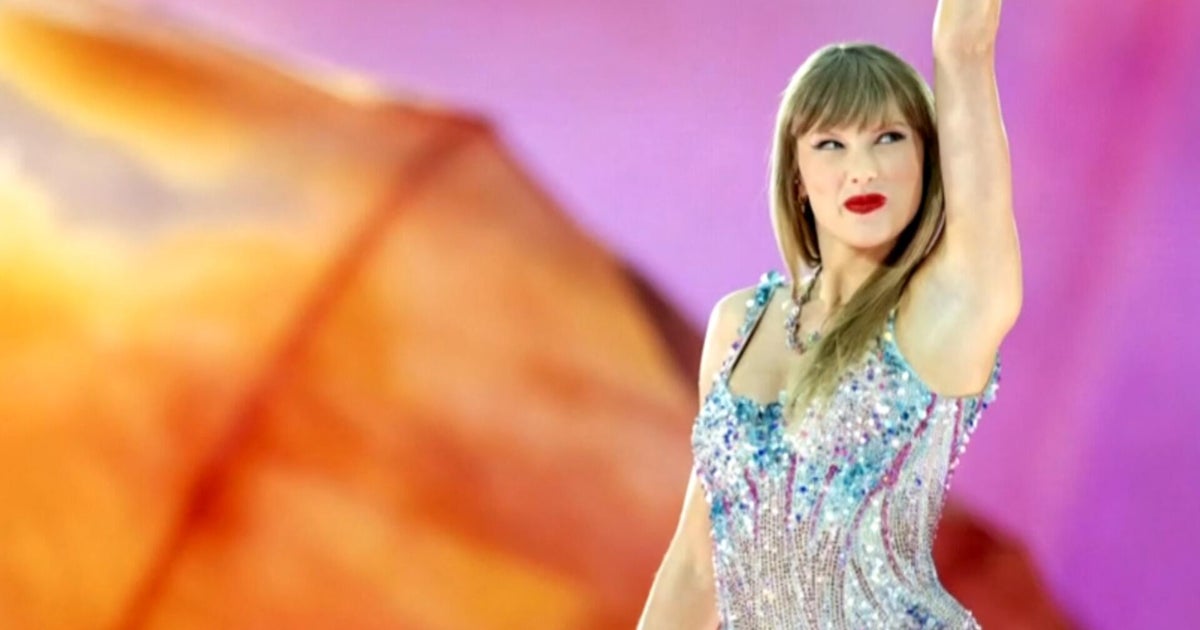
LAS VEGAS — Pop superstar Taylor Swift is facing a new legal challenge from a Las Vegas performer who claims the singer's latest album infringes on her established trademark. Maren Wade, a longtime showgirl in the entertainment capital, filed a lawsuit against Swift on Tuesday in federal court here, accusing her of using the phrase "The Life of a Showgirl" without permission. The complaint alleges that Wade has used the mark for years in connection with her performances and related merchandise, building a brand around the glamorous yet grueling world of Las Vegas stage shows.
According to court documents obtained by The Appleton Times, Wade's suit seeks an injunction to halt the album's distribution, along with unspecified damages for what she describes as willful infringement. "This isn't just about a title; it's about protecting the heart of what I've built over two decades on the Strip," Wade said in a statement released through her attorney. The performer, known for her high-energy acts at venues like the Flamingo and Caesars Palace, claims she registered the trademark in 2012 after years of performing under the persona.
Swift's representatives have not yet responded to the lawsuit, but sources close to the singer told CBS News that the team views the claim as meritless and plans to vigorously defend it. The album in question, released just last month to critical acclaim and record-breaking sales, explores themes of performance, fame, and personal reinvention—topics that resonate deeply with Swift's career trajectory. "The Life of a Showgirl" marks Swift's 11th studio album, following the introspective "Folklore" and "Evermore" during the pandemic era, and features collaborations with artists like Jack Antonoff and Aaron Dessner.
The dispute highlights the intersection of music and intellectual property law, where artists increasingly clash over creative expressions. Legal experts say such cases are on the rise in the streaming age, as album titles and artwork become key branding tools. "Trademark infringement suits like this one test the boundaries of what's descriptive versus proprietary," said entertainment lawyer Elena Vasquez, who is not involved in the case but has represented musicians in similar disputes. Vasquez noted that courts often look at factors like consumer confusion and the mark's distinctiveness.
Wade's background adds a layer of context to the suit. A Nevada native, she began her career as a dancer in the 1990s, rising through the ranks of Las Vegas revues famous for their elaborate costumes and choreography. By the early 2000s, Wade had trademarked "The Life of a Showgirl" for use in her one-woman shows, books, and apparel lines sold at local boutiques. According to her filing, the phrase encapsulates the highs and lows of life under the bright lights, from sold-out nights to the physical toll of constant performances.
The lawsuit comes at a busy time for Swift, who is midway through her Eras Tour, a global production that has grossed over $1 billion since kicking off in March 2023. The tour, which includes multiple stops in Las Vegas at Allegiant Stadium, has drawn massive crowds and boosted local economies. Ironically, Swift performed in the city just weeks before the album's release, with fans speculating that the show's vibrant energy influenced the record's aesthetic. One attendee at her March 2024 Vegas show described the atmosphere as "pure magic, like stepping into a showgirl's dream."
From Wade's perspective, the timing feels personal. In an interview excerpted by CBS News, she expressed frustration that Swift, with her vast resources, overlooked smaller creators. "I've poured my soul into this brand while working nights that never end," Wade said. "Now, a global icon swoops in and uses it like it's hers. It's not fair." Her attorney, David Harlan, emphasized in the complaint that preliminary sales data shows fans associating the album with Wade's established persona, potentially diluting her market.
Swift's camp, meanwhile, argues that the phrase is generic and not uniquely owned by Wade. Music industry insiders point out that "showgirl" evokes a broad cultural archetype tied to Las Vegas history, from the Folies Bergère to modern Cirque du Soleil productions. "Titles can't be copyrighted, and trademarks require proof of secondary meaning," explained trademark specialist Marcus Lee in a phone interview. Lee, who has litigated cases for labels like Universal Music Group, suggested that Swift's use falls under fair artistic expression.
The case echoes previous celebrity trademark battles, such as Katy Perry's 2019 feud with a clothing designer over "Katy Perry Collections" or Bruno Mars's defense against a Vegas casino's claim on his stage name. In Swift's case, she has a track record of protecting her own IP, successfully suing a Florida DJ in 2017 for groping and later pursuing cases against stalkers and deepfake creators. Yet, being on the defendant side is rarer for the 34-year-old, whose net worth exceeds $1.1 billion according to Forbes.
Las Vegas, with its neon-lit stages and 24-hour spotlight, has long been a battleground for such disputes. The city's entertainment industry employs over 50,000 people, many in performance roles, and trademarks are fiercely guarded amid fierce competition. Wade's suit could spotlight the challenges faced by independent artists in a town dominated by mega-resorts. Local union representatives, like those from the American Guild of Variety Artists, have voiced support for Wade, calling her a "trailblazer for working performers."
As the legal process unfolds, the lawsuit is unlikely to derail Swift's momentum. The album debuted at No. 1 on the Billboard 200, selling 2.5 million equivalent units in its first week—a feat bolstered by vinyl editions featuring showgirl-inspired artwork. Streaming numbers on platforms like Spotify have already surpassed 500 million plays for the title track alone. Fans, divided online, have launched petitions both in support of Wade's claim and defending Swift's creative freedom.
Court filings indicate an initial hearing is scheduled for late October in the U.S. District Court for the District of Nevada. Until then, the album remains available, with Swift's label, Republic Records, standing by the release. "We're confident in the originality of Taylor's work," a spokesperson said briefly to reporters outside the courthouse.
Beyond the immediate legal wrangling, the suit raises questions about cultural appropriation in pop music. Swift, often praised for her storytelling, draws from diverse influences, including country roots and urban narratives. Critics of the lawsuit argue it stifles inspiration, while supporters see it as a stand against big-industry overreach. As one music blogger put it, "In an era where algorithms dictate trends, protecting niche voices matters more than ever."
For Wade, the case represents more than finances—it's a bid for recognition after years in the shadows of headliners. Whether the court sides with her or dismisses the claim, the publicity has already amplified her story. Bookings for her upcoming show at the Riviera have spiked, according to her publicist.
Looking ahead, this dispute could set precedents for how musicians navigate trademarks in album conceptualization. With Swift's tour wrapping in December 2024 and potential film tie-ins on the horizon, the resolution may influence her next moves. For now, the glitter of Las Vegas continues to shine, underscoring the city's role as both a dream factory and a legal arena for those chasing the spotlight.