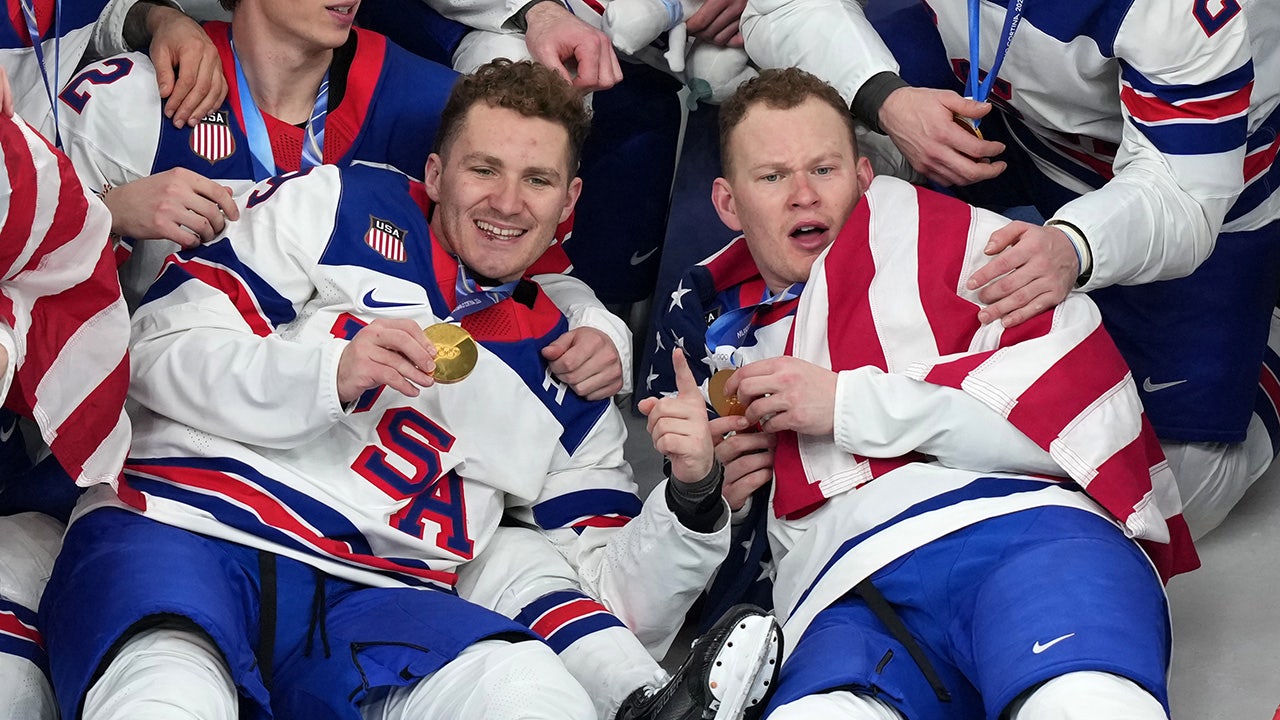
In a thrilling overtime finish at the 2026 Winter Olympics in Milan, Italy, Team USA's men's hockey team captured gold for the first time since the legendary 1980 Miracle on Ice, defeating rival Canada 3-2 on Sunday, February 22, 2026. Jack Hughes of the New Jersey Devils delivered the game-winning goal in sudden death overtime, slipping the puck past Canadian goaltender Jordan Binnington to send American fans into a frenzy. The victory, reported by Fox News, marked a triumphant return to the top of the Olympic hockey podium for the United States, igniting celebrations across the country.
The matchup between the two North American powerhouses lived up to its billing as one of the most anticipated events of the Games. Team USA, led by a roster of NHL stars, overcame a resilient Canadian squad that had dominated international play in recent years. According to accounts from the ice, the game was tied 2-2 heading into overtime, where Hughes' clutch shot sealed the deal. "This is all about our country right now. I love the USA," Hughes said afterward, his voice filled with emotion. "I love my teammates. It’s unbelievable. The U.S. are a hockey brotherhood. It’s so strong, and we had so much support from ex-players. I’m so proud to be American today."
Brothers Matthew and Brady Tkachuk, both key contributors to the win, were front and center in the post-game glow, each draped in an American flag as they spoke to KSDK-TV from St. Louis. Brady Tkachuk, reflecting on the shared moment with his sibling on the Olympic stage, expressed overwhelming gratitude. "I feel on top of the world. Just to do it while my brother’s here. There’s so many people that we can thank," he said. "Matthew said everybody in St. Louis, all the family and friends, even every first responder, everyone that protects and serves our country. This is for them. This is for every American."
Matthew Tkachuk quickly added his own tribute, emphasizing the sacrifices made by those in uniform. "All the military that put their life on the line for us," he interjected, underscoring a theme of national pride that resonated throughout the team's celebrations. The Tkachuk brothers, who play for the Florida Panthers and Ottawa Senators respectively in the NHL, highlighted the support from their hometown of St. Louis, where the victory was felt deeply among fans and community members alike.
Quinn Hughes, captain of the Vancouver Canucks and a defensive anchor for Team USA, echoed the patriotic fervor in his remarks. He declared, "Hockey’s our game. It’s the United States of America’s game. It’s the greatest country in the world." Hughes went on to praise the widespread backing from home, noting, "We have the best support ever – hundreds of millions of people back home, so many people in St. Louis, everyone in St. Louis. We could feel the support whether they’re hockey fans or not. Everyone’s watching. Everyone better be partying right now. Everyone better be wearing the red, white and blue for as long as they can. It should be a month mandate to wear the red, white and blue of the United States and celebrate us and the other Olympian gold medalists."
The win evoked memories of the 1980 Olympics in Lake Placid, New York, where a young U.S. team upset the Soviet Union and then Finland to claim gold, a feat dubbed the "Miracle on Ice." That triumph, coming amid Cold War tensions, became a symbol of American resilience. Fast forward 46 years, and this 2026 victory against Canada – a perennial powerhouse with 13 Olympic golds in men's hockey – carried similar weight, especially as both nations boast deep NHL talent pools. Officials from USA Hockey noted that the roster, featuring 25 players from the league, represented the best of American professional hockey.
Game details painted a picture of high-stakes drama. Canada struck first, but Team USA responded with goals from Auston Matthews and others to even the score before the third period. Binnington, the St. Louis Blues netminder who backstopped Canada, made 28 saves but couldn't stop Hughes' decisive wrister. Associated Press photos captured the jubilation: Hughes mobbed by teammates like Brady Tkachuk immediately after the goal, and the full squad posing with their medals under the Milan arena lights.
From a broader Olympic context, the men's hockey final capped a successful Games for the U.S., which also medaled in events like figure skating and alpine skiing. The International Olympic Committee reported record viewership for the hockey showdown, with millions tuning in from both sides of the border. Canadian officials, while gracious in defeat, acknowledged the U.S. team's depth and determination, with head coach Jon Cooper – who also leads the Tampa Bay Lightning – praising his players' effort post-game.
The Tkachuks' shoutouts to first responders and military personnel added a layer of heartfelt dedication to the victory. In interviews, they credited not just family and fans but also the everyday heroes who ensure national safety. This sentiment aligned with a wave of patriotic expressions from the team, reinforcing hockey's role in fostering unity. Brady Tkachuk, who wears number 7 for Ottawa, and Matthew, number 19 for Florida, have long been known for their competitive fire, but their Olympic reflections revealed a deeper appreciation for their roots.
Jack Hughes' overtime heroics drew comparisons to iconic moments in U.S. hockey history. The 23-year-old, brother to Quinn and playing alongside him on the Olympic squad, became an instant legend. "It’s unbelievable," he repeated in his Fox News interview, struggling to find words for the magnitude of the achievement. Teammates rallied around him, with the entire U.S. delegation joining in the on-ice celebration that spilled into the early hours of Monday in Milan.
Looking back, Team USA's path to gold wasn't without challenges. They navigated a tough preliminary round, including a narrow win over Sweden, before advancing through the knockout stages. The semifinal against Finland tested their resolve, but the Canadians in the final provided the ultimate rivalry. According to tournament statistics, the U.S. outshot Canada 35-30 overall, showcasing their offensive prowess led by stars like the Hughes brothers and Tkachuks.
The victory's implications extend beyond the ice. It bolsters the growth of hockey in the U.S., where participation has surged among youth programs in recent decades. USA Hockey executives predict a boom in registrations following the Olympics, similar to post-1980 trends. Meanwhile, in St. Louis – a hockey hotbed thanks to the Blues' 2019 Stanley Cup – local leaders planned parades and watch parties that drew thousands.
Canadian media outlets, while disappointed, highlighted the sportsmanship displayed. Binnington, a Missouri native, faced tough questions but lauded the U.S. effort. "They earned it," he reportedly said, per post-game reports. This mutual respect underscores the friendly yet fierce North American hockey rivalry that captivates global audiences.
As the Olympics wind down, Team USA's gold medalists returned home as national icons. The players' emphasis on gratitude – to fans, families, and service members – resonated widely, with social media lighting up in red, white, and blue. Quinn Hughes' call for a "month mandate" to wear the colors captured the festive spirit, suggesting celebrations could linger well into spring.
In the end, this Olympic triumph reaffirms hockey's place in American sports culture, blending athletic excellence with unyielding patriotism. With the NHL season resuming soon, fans will watch these heroes closely, carrying the momentum of Milan's magic rinkside. For now, the echoes of victory chants and flag-waving joy serve as a fitting coda to a Games defined by perseverance and pride.