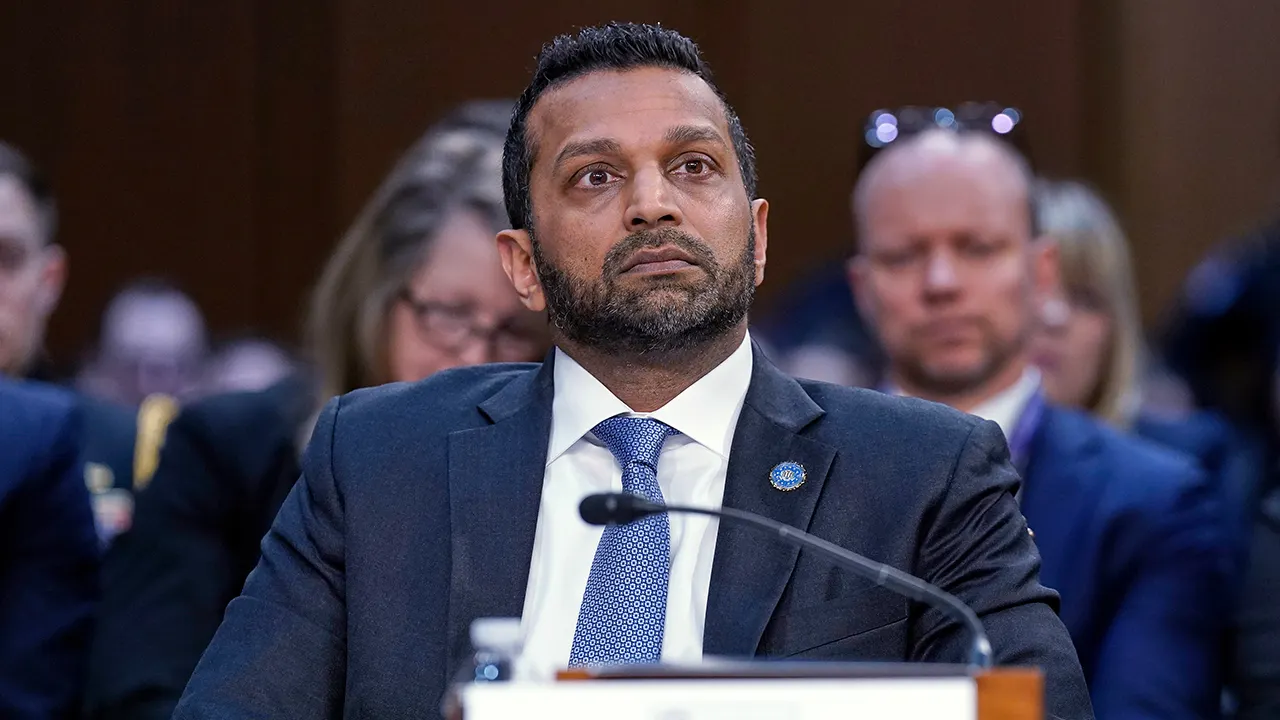
WASHINGTON — FBI Director Kash Patel has filed a $250 million defamation lawsuit against The Atlantic magazine, accusing it of publishing a "sweeping, malicious, and defamatory hit piece" that falsely portrayed him as erratic and prone to excessive drinking. The suit, lodged on Monday in federal court, comes in response to a recent article by Atlantic staff writer Sarah Fitzpatrick titled "The FBI Director is MIA," which detailed allegations of unexplained absences, bouts of intoxication, and disruptive behavior during Patel's tenure.
Fitzpatrick, speaking on Thursday's "Radio Atlantic" podcast, stood firmly by her reporting, emphasizing the rigorous process behind it. "I stand by every single word of this report," she said. "We were very diligent. We were very careful. It went through multiple levels of editing, review, care." She added that since the article's publication last week, she has been "inundated" with additional sources, including government officials at the highest levels, who have reaffirmed and corroborated her claims. "And I think one of the things that has been most gratifying... was, I have been inundated by additional sourcing going up to the highest levels of the government, thanking us for doing the work, providing additional corroborating information," Fitzpatrick stated. She described the issues as an "open secret in Washington" that her team took great care to expose.
The article painted a picture of a tumultuous leadership style at the FBI under Patel, who was appointed director by President Donald Trump following his inauguration earlier this year. According to Fitzpatrick's reporting, which drew from more than two dozen interviews with current and former FBI officials, staff from law-enforcement and intelligence agencies, hospitality workers, members of Congress, political operatives, lobbyists, and former advisers, Patel has exhibited "erratic" behavior and a "suspicious" nature. One specific incident highlighted involved Patel experiencing a "freak-out" earlier this month while trying to log into a computer system. Sources familiar with the matter told Fitzpatrick that Patel believed he was being fired by Trump in the wake of Attorney General Pam Bondi's ouster and even began preparing an announcement to that effect. The episode, she wrote, was emblematic of broader concerns about his judgment, as he is "prone to jumping to conclusions before he has necessary evidence."
Allegations of excessive drinking formed a central thread in the piece. Fitzpatrick reported that Patel has a pattern of "conspicuous inebriation," often drinking to the point of obvious intoxication at locations such as Ned's private club in Washington, D.C., in the presence of White House and administration staff, and the Poodle Room in Las Vegas. "Early in his tenure, meetings and briefings had to be rescheduled for later in the day as a result of his alcohol-fueled nights," she wrote, citing six current and former officials and others familiar with Patel's schedule. The article also claimed that on multiple occasions in the past year, members of Patel's security detail had difficulty waking him because he appeared intoxicated, according to information provided to Justice Department and White House officials.
Further details included a request last year for "breaching equipment" — typically used by SWAT teams to access buildings — because Patel had become unreachable behind locked doors, as described by multiple people familiar with the request. Unnamed sources speculated in the report that Patel's alcohol consumption might have influenced his social media activity, including posts sharing inaccurate information about active investigations. For instance, the article referenced Patel's writings following the assassination of Charlie Kirk, before suspect Tyler Robinson turned himself in.
Patel's lawsuit vehemently disputes these characterizations, arguing that the article relies on "vague, unattributed sourcing" and contains "false and obviously fabricated allegations designed to destroy Director Patel’s reputation and drive him from office." In a letter sent to The Atlantic ahead of publication, Patel's attorney, Jesse Binnall, criticized the magazine for providing the FBI with less than two hours to respond to 19 substantive claims. "The vast majority of the claims in the draft article rely solely on vague, unattributed sourcing such as 'people familiar with the matter' or 'some have characterized.' Any such purported sources could not possibly possess firsthand knowledge, as the allegations are categorically false," Binnall wrote.
An FBI spokesperson pushed back forcefully against Fitzpatrick's podcast comments, telling Fox News Digital, "Doubling down on defamatory lies doesn’t make them true, despite the obsession with creating a distraction from the record-breaking, historic success of this FBI." Patel himself, in a statement included in the original Atlantic article, dismissed the reporting outright: "Print it, all false, I’ll see you in court — bring your checkbook."
The dispute escalated into public view during a press conference on Tuesday, where Patel engaged in a heated exchange with an NBC News reporter over questions about the lawsuit and the Atlantic story. Tensions have also arisen in other media interactions, such as a clash between Patel and The New York Times regarding claims that one of its reporters was investigated.
Support for Patel has come from within the Trump administration. White House press secretary Karoline Leavitt and Acting Attorney General Todd Blanche have both expressed backing for the FBI director, portraying the article as an unfair attack amid his efforts to reform the agency. Patel's tenure has been marked by significant changes at the FBI, including high-profile investigations and personnel shifts, which some allies credit with revitalizing the bureau after years of what they call politicization under previous leadership.
The broader context of Patel's appointment underscores the political stakes involved. A longtime Trump ally and former national security official, Patel was nominated to lead the FBI in late 2025 and confirmed amid controversy over his past criticisms of the intelligence community. His role has been pivotal in the administration's push to address what Trump has described as deep-state elements within federal agencies. Bondi's recent ouster as attorney general, reportedly due to internal disagreements, has fueled speculation about stability in the Justice Department and its affiliates, including the FBI.
Defamation lawsuits against media outlets are not uncommon in high-stakes political environments, but the $250 million figure in Patel's case signals the intensity of the legal battle ahead. Legal experts note that for Patel to succeed, he would need to prove the statements were made with actual malice — knowledge of falsity or reckless disregard for the truth — a high bar established by landmark Supreme Court cases like New York Times v. Sullivan.
The Atlantic has not yet filed a formal response to the lawsuit, but Fitzpatrick's comments suggest the magazine intends to vigorously defend its journalism. In her podcast appearance, she reiterated that the reporting was based on extensive vetting and multiple corroborating accounts, positioning the story as a necessary spotlight on potential leadership issues at a critical federal agency.
As the case proceeds, it could draw renewed attention to Patel's management style and the challenges of overseeing the FBI in a polarized era. Observers from both sides of the aisle have watched his directorship closely, with critics questioning his qualifications and supporters praising his outsider perspective. The outcome of the litigation may influence not only Patel's future but also the boundaries of investigative reporting on public officials.
For now, the feud highlights ongoing tensions between the Trump administration and mainstream media outlets, echoing disputes from Trump's first term. Whether the allegations hold up in court remains to be seen, but they have already sparked widespread debate about accountability at the highest levels of law enforcement.
Joseph A. Wulfsohn contributed to this report from Fox News Digital.