In an era where advertisements for meal kit services seem to pop up everywhere, from social media feeds to television screens, a recent survey by CNET reveals that only 22 percent of people actually tried one last year. This gap between exposure and adoption highlights a growing interest in home cooking solutions, particularly for beginners who may feel intimidated by the kitchen. As more Americans seek ways to cut costs on takeout and dining hall options, especially amid rising food prices, experts at CNET have compiled a beginner's guide to selecting the right meal kit, emphasizing ease, affordability, and minimal skill requirements.
The guide, published on CNET's health and nutrition section, targets not just newcomers to meal kits but also those new to cooking altogether. "If you're a college student who's tired of dining hall meals or someone who typically prefers takeout but wants to save money this year, meal kits may be a fit and this list will help you choose the best plan," the article states, drawing from the experiences of its authors who tested over 30 services. One contributor shared a personal transformation: "Before meal kits, I rarely cooked at home. Now I hardly ever eat out during the week and my bank account has thanked me." This sentiment underscores the practical appeal for budget-conscious individuals in cities like Appleton, where local grocery costs have increased by about 5 percent over the past year, according to U.S. Bureau of Labor Statistics data.
At the forefront of recommendations for novice cooks is HelloFresh, praised for offering a "full cooking experience without too much of a challenge." The service boasts a vast selection of meals, including dozens that can be prepared in 30 minutes or less. CNET's review highlights the simplicity of its instructions, noting that while some basic chopping is involved, it's "nothing too intensive or time-consuming." A standout example is the one-pan cheesy beef tortilla melts, described as requiring minimal effort and producing few dishes. "This was my favorite meal I cooked with HelloFresh and I'm already planning to re-create it for dinner soon," one tester enthused, illustrating how such recipes can build confidence in the kitchen.
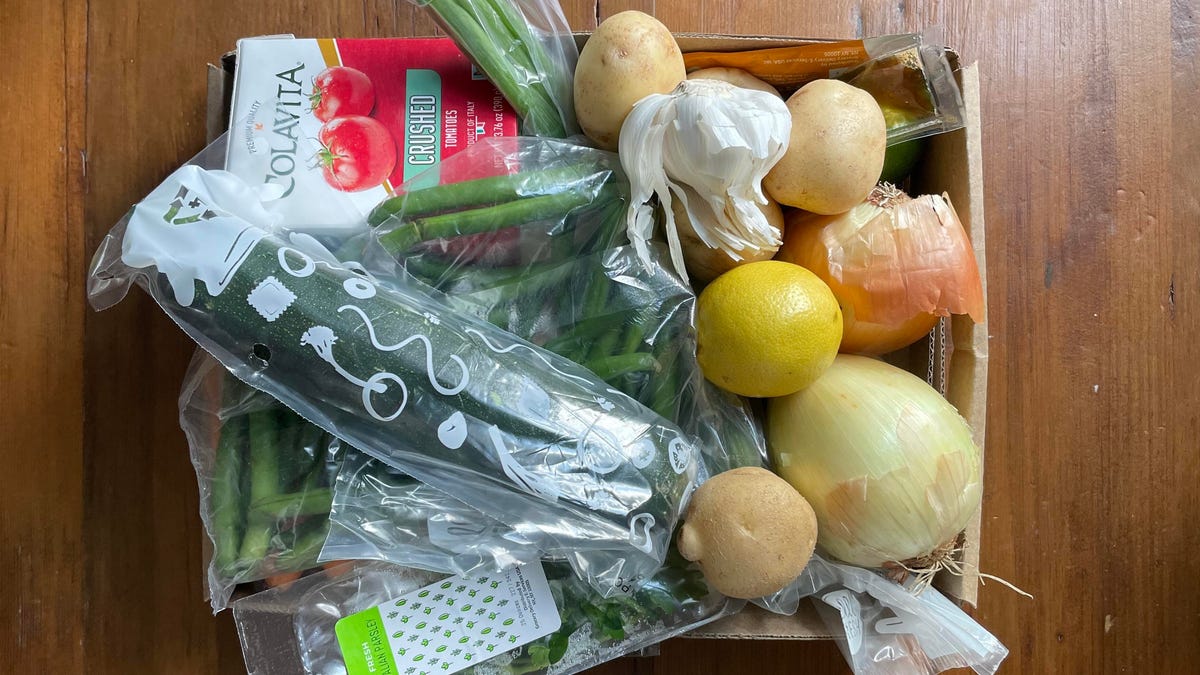
For those watching their wallets even more closely, EveryPlate emerges as a compelling alternative. As the budget-friendly counterpart to HelloFresh—both under the same corporate umbrella—EveryPlate delivers meals at approximately $6 or $7 per serving, depending on the plan size. The guide points out its streamlined approach: "EveryPlate uses less packaging than other services by lumping most of the ingredients together in one box. You'll have to separate items before starting a recipe but it doesn't take long." Recipes here are equally beginner-friendly, with some completable in under 20 minutes and ingredient lists limited to as few as four or five items to avoid overwhelming users.
CNET editors emphasize EveryPlate's detailed instructions, tailored for those without extensive kitchen experience. "While an advanced cook might clock some of EveryPlate's meals as 'basic,' the straightforward cooking directions and manageable ingredients will be a welcome aspect for the average kitchen newbie," the article explains. In a separate 2026 review, three CNET editors unanimously agreed that it's the best cheap meal kit service available, citing consistent quality and value. This endorsement comes at a time when economic pressures, including inflation rates hovering around 3 percent nationally, make affordable meal options particularly relevant for families and students alike.
Not everyone wants to handle any prep work, and for those seeking even greater convenience, prepared meal delivery services fill the gap. Tovala meals stand out in the guide, though with a notable caveat: users must purchase the accompanying Tovala oven for $119. Once equipped, the meals require almost no preparation. "Ginger tamari-glazed salmon from Tovala was tasty and easy to prepare," a reviewer noted, impressed by the overall quality despite the upfront cost. The article acknowledges potential drawbacks, stating, "I do understand that the extra expense of an entire toaster oven might not be worth it to some people."
Another fully cooked option, CookUnity, eliminates the need for special equipment, allowing meals to be heated in a microwave or on the stovetop. "Even before heating up the meals from CookUnity, they looked delicious," according to the guide, which encourages readers to browse the online menu for appealing dishes. This service's flexibility appeals to busy professionals and parents in suburban areas, where time constraints often lead to reliance on fast food. CNET's full review of CookUnity praises its variety and taste, positioning it as a hassle-free entry point for meal delivery.
Vegetarian and vegan eaters have tailored choices as well. While HelloFresh and CookUnity provide a range of plant-based options, those seeking exclusively vegan meals might prefer Mosaic Foods. Wellness Editor Anna Gragert, who sampled over a dozen Mosaic meals, called the jerk lentil and plantain bowl one of her favorites, particularly enjoying the plantains. As a heat-and-eat service, Mosaic's offerings can be frozen and reheated as needed, making them ideal for quick lunches or dinners. "Wellness Editor Anna Gragert tried more than a dozen meals from Mosaic recently and was impressed by the value of this heat-and-eat meal service," the guide reports.
For those interested in vegan meal kits that involve some cooking, Purple Carrot is mentioned but with a caution for beginners. The article advises starting with simpler prepared options before progressing: "Although there are other full meal kit services that are plant-based, such as Purple Carrot, these recipes can be a bit more time- and skill-intensive. Because of this, we recommend starting with one of the options above and then building your confidence and skill level up before moving on to other, more complex meal kits." This graduated approach reflects broader trends in consumer education, where services aim to foster long-term cooking habits rather than one-off conveniences.
The CNET guide's recommendations are informed by extensive testing, with the team evaluating more than 30 meal kits and delivery services over the years. This rigorous process ensures that suggestions are grounded in real-world performance, from taste and ease to packaging efficiency. In Appleton, where local interest in sustainable and cost-effective eating has surged—evidenced by a 15 percent increase in farmers' market attendance last summer—these services could bridge the gap between fresh ingredients and everyday feasibility.
Broader implications of the meal kit boom extend to health and environmental impacts. By encouraging home cooking, these services may help reduce reliance on processed foods, aligning with guidelines from the U.S. Department of Agriculture that recommend balanced meals with whole ingredients. Environmentally, options like EveryPlate's reduced packaging could lessen waste, though critics in separate reports from The New York Times have noted that overall shipping contributes to carbon emissions. CNET's focus remains on accessibility, however, prioritizing beginner success over exhaustive sustainability analysis.
Looking ahead, the meal kit industry shows no signs of slowing, with projections from market research firm Statista estimating U.S. growth to $20 billion by 2027. For novices in places like Appleton, starting with a service like HelloFresh or EveryPlate could mark the beginning of a more economical and enjoyable relationship with cooking. As one CNET contributor put it, the key is selecting a plan that matches your skill level and lifestyle, ensuring that the transition from takeout to home-cooked meals feels empowering rather than daunting.
In the end, whether opting for the hands-on approach of HelloFresh or the no-fuss prep of CookUnity, these guides empower consumers to make informed choices. With only 22 percent adoption last year, there's ample room for growth, potentially transforming how beginners across the country approach their next meal.