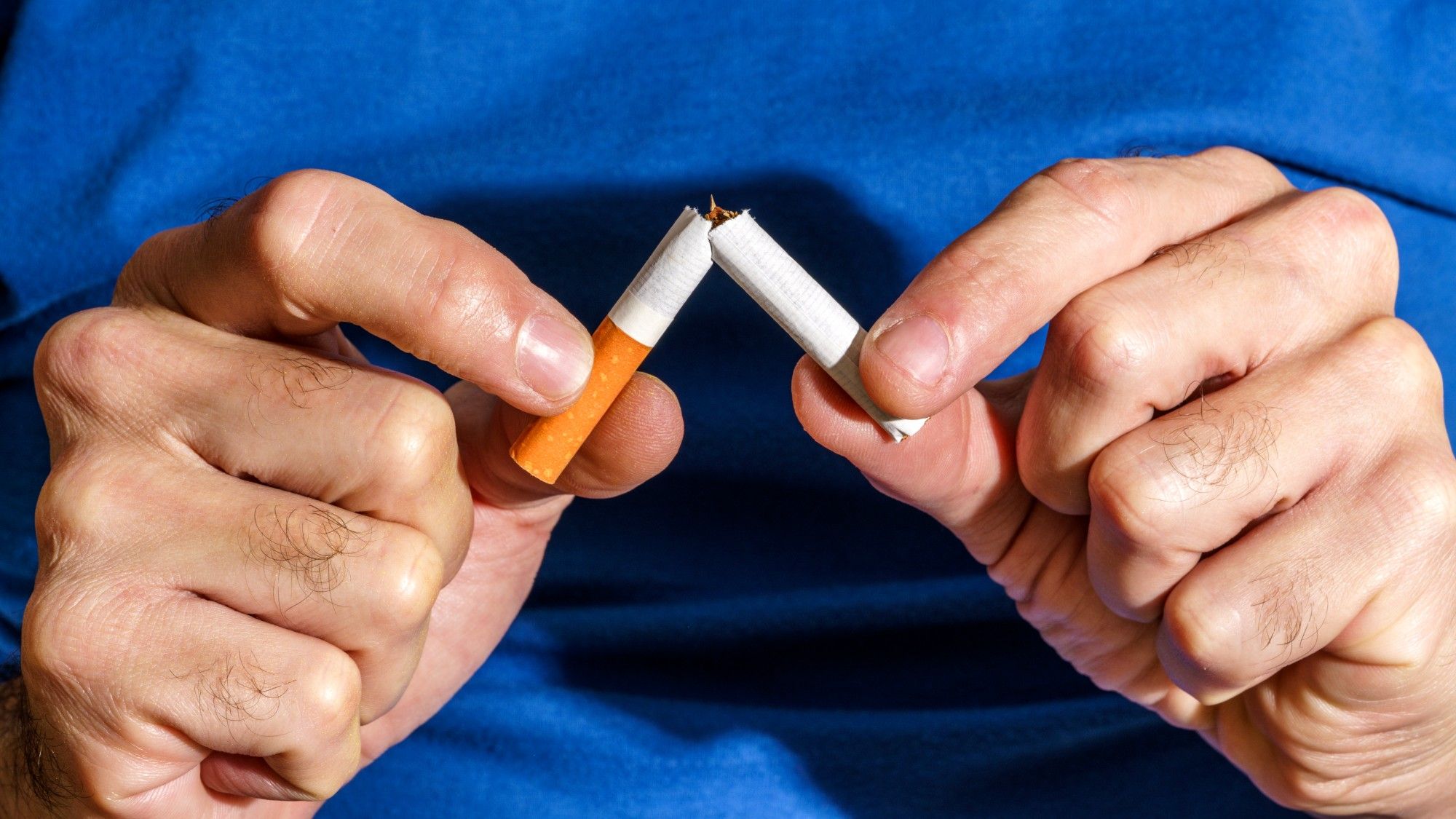
As the new year approaches, millions of people worldwide resolve to break bad habits and adopt healthier lifestyles, from cutting back on social media to committing to regular exercise. But according to psychologist Angela Duckworth, writing in The New York Times, the common advice to simply 'try harder' may be misguided. In a recent article published by The Week, Duckworth argues that 'willpower is overrated,' suggesting that successful individuals rarely depend on sheer inner fortitude to resist temptations. Instead, they rely on 'situational agency'—strategically shaping their environments to minimize the need for self-control in the first place.
This perspective challenges the long-held cultural reverence for unwavering self-discipline, often portrayed as a virtue akin to physical strength. Duckworth notes that at this time of year, 'holiday treats and year-end sales confront us at every turn,' making indulgence seem almost obligatory, lest one appear 'Scrooge-like' by refusing. Yet, her research on goal achievement reveals that top performers avoid high-stakes temptation scenarios altogether. For instance, celebrities like singer Ed Sheeran and author Zadie Smith have opted out of smartphone ownership to steer clear of social media's pull, demonstrating how environmental tweaks can bypass the willpower drain.
Athletes provide another compelling example. Former Olympic triathlon champion Alistair Brownlee ensures his running shoes are 'warm, dry and waiting' to eliminate excuses for skipping early morning workouts. Duckworth emphasizes that such preparations do not erode one's 'grit' but rather enhance it, countering the notion that relying on external aids diminishes personal resolve. This idea echoes findings from The Observer, which has described strengthening the 'willpower muscle' as 'just as important as working out at the gym.' However, the article questions whether willpower can truly be 'supercharged,' given its perception over the past 30 years as a 'finite resource'—like a battery that depletes with use.
Experts highlight several factors that can legitimately sap willpower, often mistaken for moral failings. Difficulties in concentrating at work or school might stem from undiagnosed conditions like ADHD or Tourette syndrome, rather than a lack of self-control, according to the The Week analysis. Similarly, what appears as waning willpower could signal overextension, necessitating rest to prevent escalation into broader health issues. Behavioral scientist Michael Hallsworth, writing in The i Paper, describes the overreliance on willpower as a 'cultural hangover,' where society conditions people to view failure through succumbing to desires as more virtuous than succeeding with assistance. 'That attitude is a trap,' Hallsworth warns, as the stigma of using tools or shortcuts can create barriers to achievement.
In the realm of weight loss, willpower carries even heavier connotations. The BBC reports that simplistic slogans like 'it's simple, just eat less' or emphasizing 'personal responsibility' overlook the multifaceted nature of obesity. External pressures, such as holiday indulgences, compound the challenge, but internal mindset plays a crucial role too. Psychologist Eleanor Bryant distinguishes between 'rigid' and 'flexible' willpower: the former leads to all-or-nothing thinking, where a single lapse means total surrender, while the latter allows acknowledgment of a slip-up without derailing long-term progress. 'Needless to say, being flexible is much more successful' for sustained goals, Bryant said.
Hallsworth advocates for 'commitment devices' to bolster resolve without brute force. Public pledges, such as announcing a half-marathon intention on social media, harness 'social pressure' as a motivator. For stronger enforcement, individuals might impose penalties, like donating to an disliked cause upon breaking a rule. Technological aids, including screen-time limits or 'delay apps' that postpone access to distractions, offer practical restrictions, though they are not foolproof. These strategies align with broader psychological insights, emphasizing planning over raw endurance.
Psychologist Kimberley Wilson, speaking on BBC Radio 4's 'What's Up Docs?', promotes positive reinforcement over punishment. By crafting a 'positive story' about one's goals, individuals give themselves the 'best chance to achieve' them, with success often following naturally. Wilson cautions against social comparisons, which can amplify feelings of inadequacy, and urges resilience in the face of 'momentary stumbles.' This approach underscores that goals can be met 'without a drop of willpower in sight,' through self-belief and strategic foresight.
The article's author, Will Barker, who joined The Week in 2025 after stints at the Financial Times and The Sun, brings a background in data journalism and media law to his coverage of health and psychology topics. His piece draws on a range of expert voices to dismantle the myth of willpower as an inexhaustible superpower. While some traditional views, like those in fitness marketing, continue to glorify self-denial as the path to 'health and happiness,' emerging research favors systemic changes. For example, the piece references how neurodivergent conditions are often misattributed to laziness, calling for greater awareness in educational and workplace settings.
Broader implications extend to public health campaigns and personal development industries. In the UK, where obesity rates have prompted government initiatives, the BBC's framing highlights how willpower-centric narratives can stigmatize those struggling with weight. Hallsworth's critique in The i Paper suggests that destigmatizing aids could improve outcomes across behaviors, from smoking cessation to financial saving. Meanwhile, Duckworth's work at the University of Pennsylvania, where she studies grit and perseverance, provides empirical backing for situational strategies, influencing programs in schools and corporations.
Looking ahead, as 2026 resolutions take shape, experts like Bryant and Wilson predict a shift toward hybrid approaches blending mindset with environmental design. Non-alcoholic beverage recommendations in The Week's related features, aimed at those recovering from holiday excesses, exemplify practical tools for moderation. Studies cited in the publication, such as those linking upbeat personalities to a 15% longer lifespan or stress aiding bad news processing, reinforce the interconnectedness of mental habits and well-being.
Yet, not all viewpoints align seamlessly. While Duckworth and Hallsworth downplay willpower's primacy, some psychologists maintain its trainability through practices like mindfulness. The The Week article acknowledges this tension but leans toward evidence favoring avoidance of temptation hotspots. In Venezuela-related geopolitical discussions elsewhere in the publication—unrelated but illustrative of broader analytical depth—experts warn of unintended consequences from forceful interventions, paralleling how aggressive self-control tactics might backfire personally.
For individuals navigating new year ambitions, the consensus from these sources is clear: awareness of willpower's limits empowers better planning. Whether through Brown's prepped shoes or Wilson's affirming narratives, the path forward involves ingenuity over isolation. As Barker concludes, with 'planning, self-belief and the will to change,' lasting transformation remains attainable, redefining success beyond the exhaustion of endless resistance.
In Appleton, local wellness centers are already incorporating these insights into workshops, with attendance up 20% year-over-year according to organizers. Dr. Elena Ramirez, a counselor at the city's Health Hub, echoed the experts: 'We've seen clients thrive by redesigning their routines, not just pushing harder.' This grassroots adoption signals a potential cultural pivot, one that could alleviate the January slump many experience when resolutions falter.
Ultimately, the diminishing emphasis on willpower invites a more compassionate self-view, recognizing human design's role in habit formation. As global news cycles—from UK drug death records to sleep myth debunkings—remind us of health's complexities, personal strategies grounded in science offer hope for sustainable change.