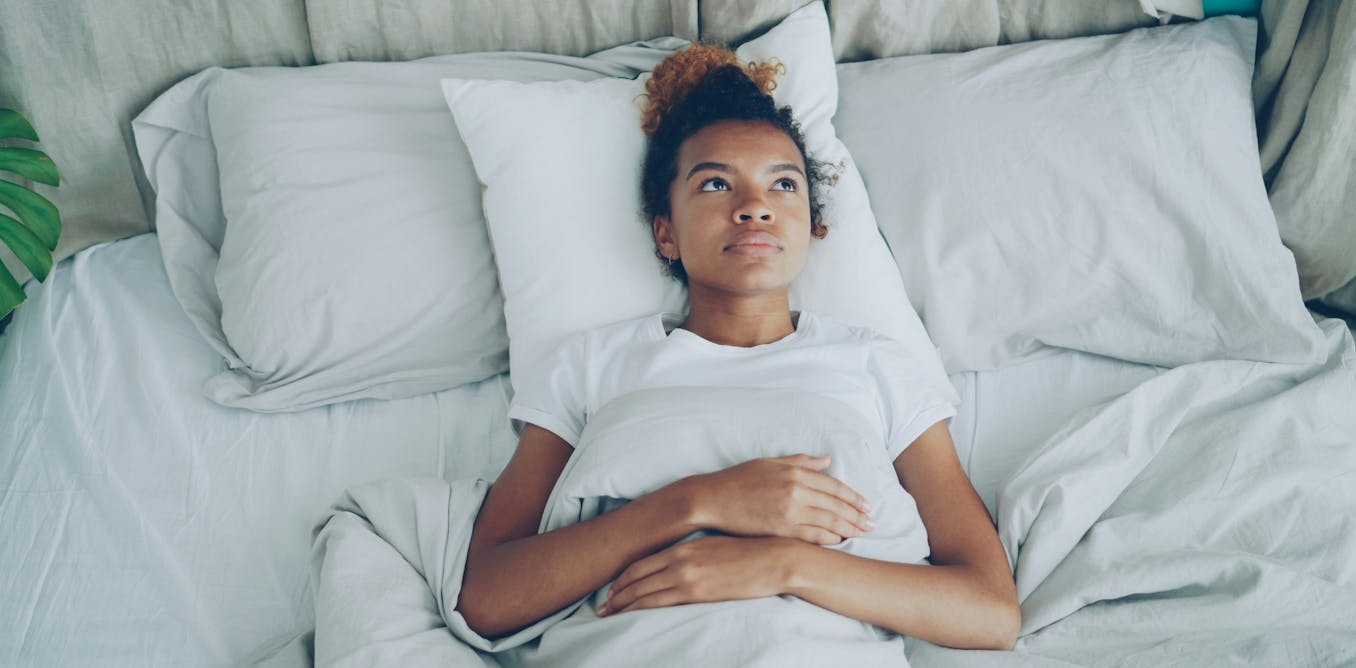
APPLETON, Wis. — For countless travelers, the promise of a good night's rest in a new hotel room often dissolves into frustration as unfamiliar noises pierce the darkness and the bed feels like a stranger. This common experience, known as the first-night effect, has long puzzled sleep experts, but recent insights from sleep researchers shed light on why our brains resist full slumber in novel environments.
According to an analysis published on The Conversation, a platform featuring academic perspectives, the difficulty stems from a blend of biological wiring and psychological factors that prioritize vigilance over deep rest. "Your brain is wired for predictability, especially at night, during our most vulnerable behaviour: sleep," the article states, emphasizing how disruptions in routine cues can sabotage sleep quality.
The piece, titled "The ‘first-night effect’: why it’s hard to sleep when you’re somewhere new," explores how internal signals like a drop in core body temperature and a rise in melatonin hormone prepare the body for rest at home. However, in unfamiliar settings, external elements clash with these processes. Different light levels from hotel clocks or streetlights, erratic sounds like elevator dings or traffic, and even variations in bedding—such as a firmer mattress or softer pillows—can throw off the body's rhythm.
Travelers often compound the issue with altered activities, the article notes. Late dinners out or working on a laptop in bed replace familiar wind-down habits, signaling to the brain that it's not yet safe to fully relax. This misalignment leaves many tossing and turning, even when exhaustion sets in.
From an evolutionary standpoint, this alertness serves a purpose. The first-night effect may act as a protective mechanism, keeping the brain partially awake to detect threats. Brain activity studies referenced in the analysis reveal that on the first night in a new place, the left hemisphere remains more responsive to unfamiliar sounds during deep sleep stages, unlike subsequent nights when familiarity sets in and vigilance diminishes.
"This is known as the ‘first-night effect’. It means when we sleep somewhere new, our brains don’t fully switch off," the article explains. Such responsiveness could have helped our ancestors respond quickly to dangers in unknown territories, a trait that lingers in modern humans despite safer surroundings.
Beyond biology, psychological stressors play a significant role. The analysis points out that worries about logistics—like an early morning flight or misplaced belongings—can flood the mind, preventing the transition to sleep. Jet lag adds another layer, shifting circadian rhythms and intensifying fatigue without delivering rest.
Emotions, whether positive or negative, further complicate matters. Homesickness, excitement over a trip, or anxiety about upcoming events all activate the brain's arousal systems. "Even positive stress – for example, feeling excited about a big trip – activates the same arousal systems in the brain as negative stress. The brain doesn’t distinguish why those systems are switched on," according to the report.
This heightened state directly competes with sleep mechanisms, making it hard to disengage even when the body craves rest. For instance, business travelers attending conferences in cities like Chicago or Las Vegas might find their anticipation for presentations keeping them awake, mirroring the experiences of vacationers in beach resorts from Miami to Malibu.
Interestingly, not everyone struggles equally. The article highlights that some individuals actually sleep better away from home. For them, travel removes daily distractions such as household chores or work emails that invade bedtime at home. "There are no household responsibilities, no unfinished tasks competing for attention, and clearer boundaries between ‘work time’ and ‘rest time’," it observes.
A change in scenery can also curb bedtime rumination, often tied to stressful home environments filled with reminders of deadlines. Research cited suggests that those chronically short on sleep at home—perhaps averaging under seven hours nightly due to busy schedules—tend to catch up during trips, benefiting from enforced downtime.
If sleep improves on the road, the analysis recommends auditing one's home setup. Overly stimulating bedrooms with bright lights or cluttered spaces might be culprits. Simple adjustments, like cooling the room to around 65 degrees Fahrenheit and ensuring darkness with blackout curtains, can mimic the restorative aspects of travel.
To combat the first-night effect, experts suggest practical strategies. Reassuring oneself that a poor night's sleep is a normal response can ease anxiety. "If you have a rough night of sleep in a new place it doesn’t mean something is ‘wrong’ with you. It’s a normal, protective response from a brain that’s tuned to safety and familiarity," the article advises, noting it may take one or two nights to adapt.
When booking accommodations, opting for sleep-optimized hotels helps. Many properties now offer features like pillow menus for personalized comfort, melatonin-boosting snacks via room service, or even dedicated sleep butlers to fine-tune environments. Chains such as Hilton and Marriott have introduced such amenities in recent years, responding to guest feedback on sleep quality.
Planning ahead is key. Travelers should anticipate a subpar first night and avoid high-stakes activities the following morning, like important meetings or drives. Packing familiar items—a favorite pillowcase, sleep mask, or calming essential oil—can bridge the gap between home and away, providing sensory anchors for the brain.
The broader implications of the first-night effect extend to public health and travel industries. With global tourism rebounding post-pandemic—reaching 1.3 billion international arrivals in 2023 according to the World Tourism Organization—understanding sleep disruptions could inform better hotel designs and traveler education. Sleep deprivation from poor nights away contributes to issues like impaired driving or reduced productivity, affecting millions annually.
As research continues, including ongoing studies at institutions like the University of California, Los Angeles, on sleep neurobiology, more tailored solutions may emerge. For now, recognizing the first-night effect as an adaptive, not defective, trait empowers people to navigate it. Whether for a weekend getaway or an extended business trip, small preparations can turn restless nights into opportunities for better rest overall.
In Appleton, local sleep clinics report a uptick in consultations from frequent travelers, echoing national trends. Dr. Elena Ramirez, a sleep specialist at Fox Valley Sleep Center, noted in a recent interview that patients often describe the exact symptoms outlined in the analysis. "We've seen this pattern for years, but explaining the evolutionary angle helps demystify it," she said, though she emphasized individual variations based on age and health.
Ultimately, while the first-night effect poses challenges, it underscores the brain's remarkable adaptability. By blending science with practical tips, travelers can reclaim some control over their sleep, ensuring that new destinations enhance rather than erode their well-being.